|
Technology is changing every industry, and the architecture, engineering and construction sectors have been impacted significantly over the past decade and a half. The use of technology such as digital twins, building information modeling, and generative design would have been completely foreign years ago. Yet, project requirements today commonly call for many of these types of construction technologies in planning and solicitation documents. These leading-edge technologies are currently expensive, but they reduce risks, enhance efficiency and guarantee better project outcomes.
A $200 million project in Pittsburgh, Pennsylvania is being designed to replace traditional buses with autonomous vehicles. The driverless vehicles will be equipped with AI-driven navigation systems, sensors and real-time data analytics, which will allow for more efficient operation and improved service reliability.
The transition to autonomous buses is becoming common throughout the U.S. as public transit authorities seek to reduce the reliance on human drivers, minimize operational costs and improve efficiency. Many public entities are focused on integrating autonomous vehicles into the existing transit infrastructure. The objective of the project in Pittsburgh is to prove that buses can operate autonomously and navigate urban streets safely without human intervention. The new buses are expected to enhance safety, improve scheduling consistency, maintain service frequency and reduce labor and operational costs.
A $50 million AI-enhanced 911 system in Los Angeles County is being designed to improve the efficiency and accuracy of emergency response operations through automation. The system will use various types of new technology to enhance triage by analyzing incoming calls, prioritizing them and then routing them faster to appropriate responders. The new AI system will have capabilities that include voice pattern recognition, geographic data and the ability to capture historical call information. It will enable dispatchers to address critical calls first, reduce response time, and improve resource allocation.
The AI-enhanced system will use predictive analytics to forecast emergency demand and optimize resource deployment across the county. It will improve planning and real-time decision-making, helping to manage rising call volumes and enhance responsiveness. Construction is expected to begin in 2024.
Click here for more.
| |
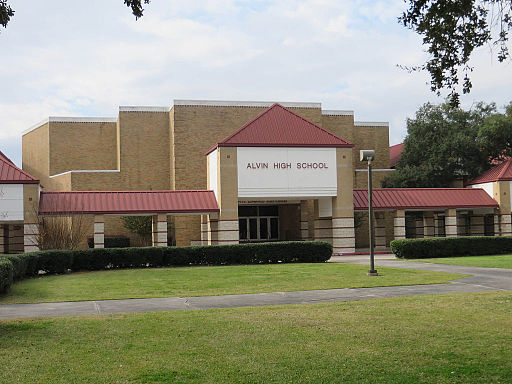
The Alvin Independent School District (AISD) will allocate $368.5 million to build new schools, replace outdated facilities and make critical improvements to existing campuses. These projects will focus on preparing the district for future growth by expanding classrooms, repurposing existing space and removing obsolete infrastructure.
Out of the approved funding, more than $224 million will go towards building new schools. $92 million will be used to build two elementary schools while $88.2 million will be allocated to build a junior high. Plans to build a $44.3 million replacement campus to consolidate a primary and elementary school will also move forward. The replacement school will be a preschool through fifth grade campus that the district will build on an existing school site.
AISD will spend a total of $143.9 million to renovate two high schools: Alvin High School and Manvel High School. The $97.7 million Alvin High School project will increase campus capacity by 400 to 500 students by expanding existing facilities. As part of the renovation, the district will update the Career and Technical Education (CTE) spaces and repurpose the historic auditorium space as the school’s front entrance—which will allow the district to convert other spaces into classrooms.
In addition, temporary buildings that have acted as educational spaces for years will be removed. The district will conclude the school’s renovations by enhancing campus security.
The renovations for Manvel High School will cost $46.2 million and will follow a similar set of improvements to Alvin High School. The project will expand and upgrade campus facilities, increasing the school’s capacity to accommodate an additional 400 to 500 students. The district will also remove old, temporary buildings, enhance campus security and update CTE spaces.
(Photo courtesy of Eric Enfermero.)
| |
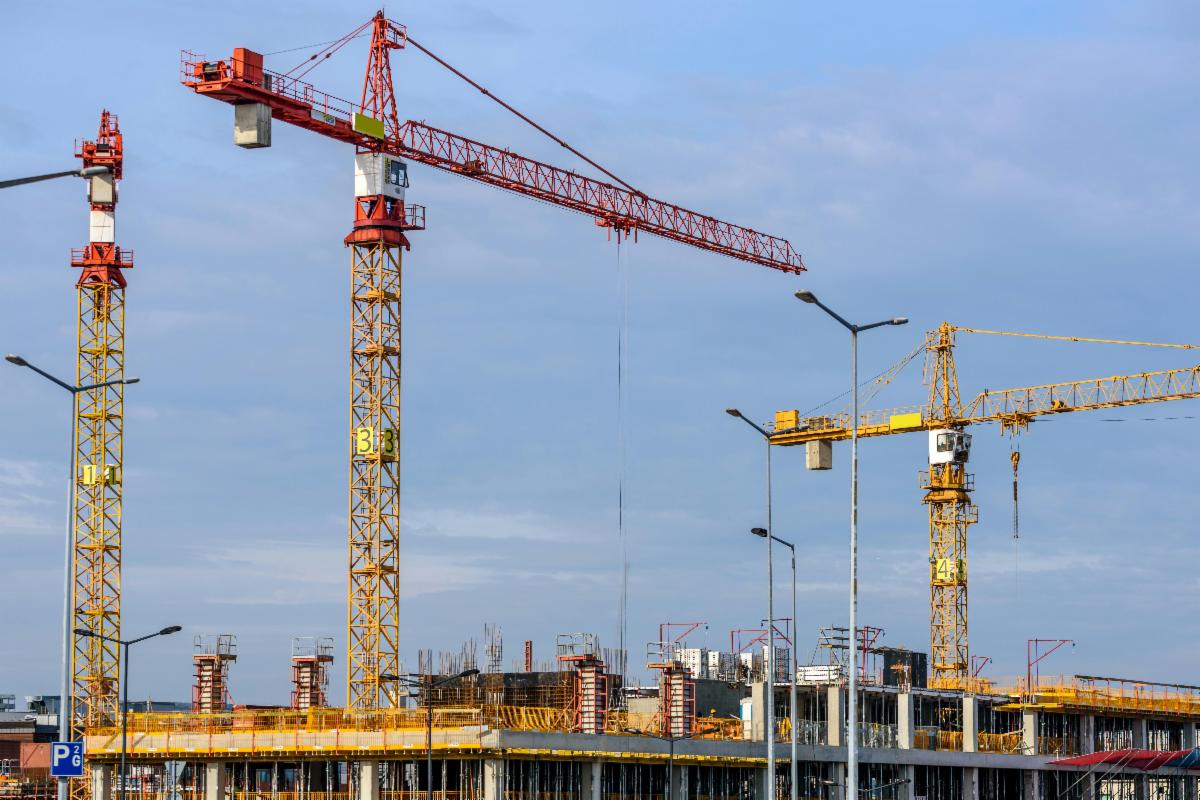
Texas A&M University at College Station (TAMU-College Station) is seeking a designer for a $30 million project to expand a satellite utility plant. Construction is expected to begin in fall 2026.
Located on the TAMU-College Station West Campus, the Satellite Utility Plant 1 (SUP 1) will ensure the university will have access to reliable, affordably energy to support educational and research activity. The project will physically expand the facility by an additional 15,000 square feet, providing the needed space for the installation of critical equipment.
Following the expansion, the university will tackle the largest part of the project, the installation of a 2,500-ton chiller. Plans also include installing two external cooling tower cell structures made of concrete and the internals of one cooling tower cell. Other installations will include a chilled water pump, condenser water pump and refrigerant evacuation and storage.
The project will equip SUP1 with an ASHRAE 15/34-compliant refrigerant monitoring system and two 12470-4160V transformers, supported by integrated electrical distribution. The university will install HVAC for the electrical room and SCADA programming with relay control integration for the system.
All equipment is part of the project’s initial installation. The university plans to commit to full build-out, integrating additional features to enhance SUP1 operational efficiency. This will include installing another 2,500-ton chiller, more cooling tower cell internals, a chilled water pump and condenser water pump.
While this covers the extent of the work for the project, the university expects the final design to accommodate a potential future expansion at a later date.
(Photo courtesy of AS Photography on Pexels.)
| |
In a landmark move for higher education institutions across Texas, the University of Texas System (UTS) Board of Regents has given preliminary approval for a plan to help thousands of in-state undergraduate students receive tuition-free education.
Starting next fall, UTS will join a handful of other universities across the nation to offer students from low-income backgrounds the chance to attend classes for free at any of the system’s nine academic institutions. Undergraduates whose families have an adjusted gross income of around $100,000 or less qualify for the program.
The plan will also immediately infuse UTS campuses with $35 million in financial aid benefits in order to support the initiative. The Board originally began implementing similar financial aid programs in 2019, starting with a $167 million endowment at UT Austin to supplement tuition and fees for students with families earning between $65,000 and $125,000.
Efforts were ramped up through the establishment of the $300 million Promise Plus initiative in 2022, extending the program to all UT institutions. Promise Plus provided additional support in conjunction with existing need-based financial aid options, including campus tuition assistance programs and federal and state initiatives. Each UT institution has its own Promise-related financial aid program to help relieve tuition and mandatory fee burdens.
The latest move by the Board builds on the system’s past efforts, expanding affordability and access to tuition relief for the foreseeable future. The $100,000 baseline will help decrease the average student debt across the UTS. Currently, the average debt is the lowest across all Texas public four-year universities.
To qualify for financial assistance and coverage, students must be Texas residents, enroll full-time in undergraduate programs and apply for applicable federal and state financial aid.
(Photo courtesy of Vasily Koloda on Unsplash.)
| |
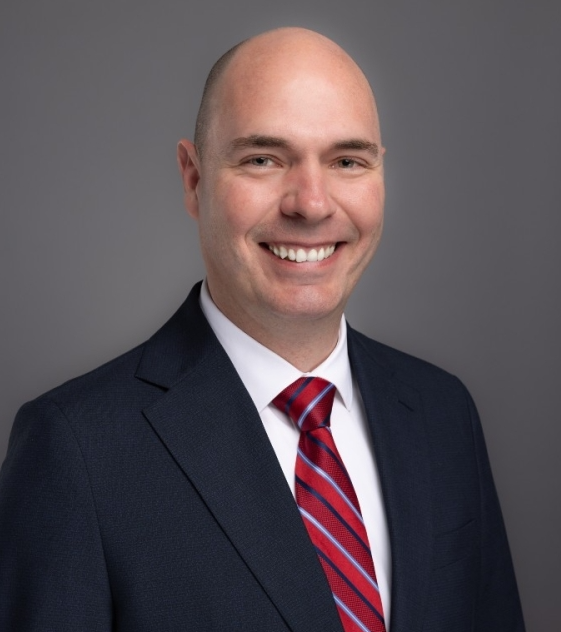
Randy Macchi has been chosen to lead Houston Public Works as its next director. Macchi, a corporate veteran with 24 years of executive and attorney experience, immediately stepped into the role.
Macchi holds the unique privilege of being the first Houston Public Works Director without a Professional Engineer license. The City Council recently unanimously voted to remove the condition for future Public Works directors. He succeeded Carol Haddock following her retirement earlier this year.
In March 2023, Macchi officially joined Houston Public Works as its chief operating officer (COO). He would later grow beyond that position to lead the department alongside Interim Director and City Engineer Richard Smith starting in April 2024. He will continue to work alongside Smith, who will approve engineering-related decisions going forward.
As director, Macchi will oversee the largest public works organization in the country. He will be responsible for managing the city’s streets and drainage, production and distribution of water, collection and treatment of wastewater and permitting and regulating public and private construction.
| |
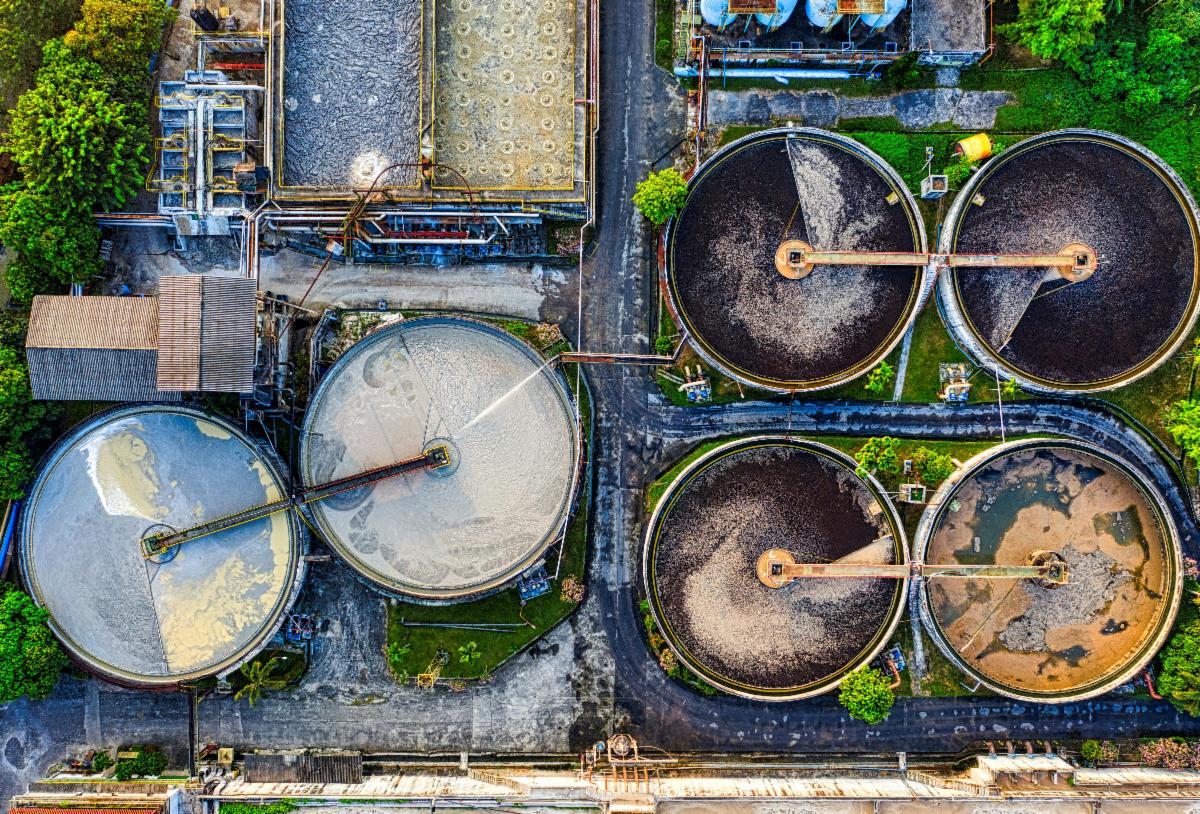
The city of Pflugerville will receive $156 million from the Environmental Protection Agency (EPA) to support the city’s water infrastructure improvement efforts over the next 10 years.
Pflugerville will use the funds to plan, design and build three drinking water projects listed in the city’s 10-year Capital Improvement Program (CIP) plan. The projects will expand the existing water treatment plant, replace and upsize waterlines, build a secondary water line and improve pump stations.
The grant will also advance the city’s $462 million master agreement, developing a plan to build and deploy critical water and wastewater projects over the next decade. The master agreement will help secure long-term funding for the city’s CIP plan, ensuring reliable funding for future water infrastructure upgrades without raising water prices.
Projects enacted through the CIP plan will help protect the city’s water infrastructure, increasing resiliency against extreme weather and expanding system capacity.
As the region’s population grows over the next decade, Pflugerville will be able to build and maintain corresponding infrastructure through dozens of projects—some of which are already in progress—to meet the needs of resident water demands.
(Photo courtesy of Tom Fisk on Pexels.)
| |
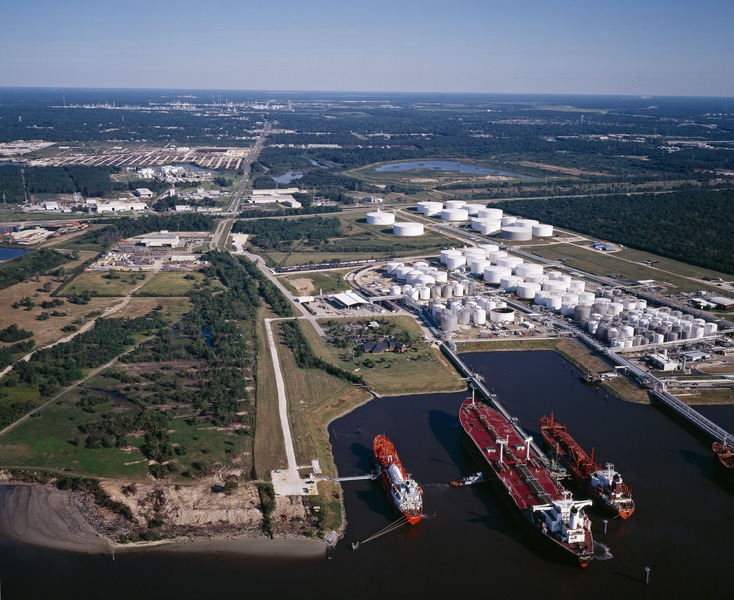
Port Houston will receive $25.3 million to improve outdated infrastructure, reduce emissions and improve drainage systems. Projects the port plans to tackle include upgrading an old grain elevator, building a dust collection system and expanding stormwater capacity.
The Agriculture Export Improvement and Community Resilience Project will focus on the port’s grain elevator. To optimize operations, the port will install a high-efficiency grain truck receiving system, a more efficient truck loadout system and an outbound conveying system.
In total, the upgraded elevator will reduce loading times for 30,000-ton vessels by 75%. The completed project will increase the elevator’s throughput capacity to 2.1 million tons per year. Local farms will benefit most from this project, gaining access to over 1,300 new sites and significantly larger markets.
Plans for improving the port’s stormwater capacity will also move forward as part of the investment. The project will improve channel outfalls to enhance stormwater flow efficiency, allowing the system to better direct stormwater away from residences and public areas.
The port will also install a high efficiency dust collection system, replacing the current baghouse system. This system will work in conjunction with the integrated explosion suppression systems to enhance port operations and reduce both dust and carbon emissions.
The dust collection system will not be the only solution to reduce port emissions. In addition to infrastructure improvements, the port will no longer use heavy-duty trucks to transfer outbound products. Eliminating the use of these trucks alone is anticipated to prevent more than 13,600 tons of emissions from entering the atmosphere over the next 30 years.
(Photo courtesy of Carol M. Highsmith.)
| |
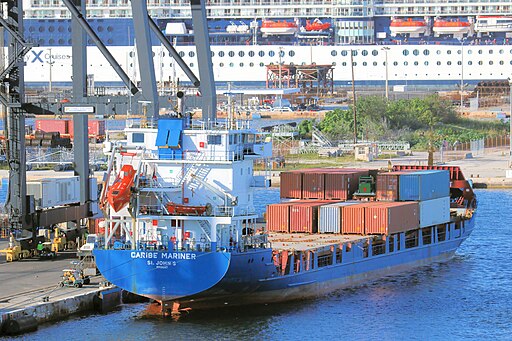
The U.S. Department of Transportation’s Maritime Administration (MARAD) is announcing an investment to advance dozens of port improvement projects to upgrade coastal seaports’ capacity, efficiency and operations.
MARAD will invest $577 million in grants for the nation’s ports to improve supply chain resilience, develop port workforce opportunities and enhance freight safety, operations and emissions output. The funding will be sourced from the administration’s Port Infrastructure Development Program (PIDP), a $2.25 billion federal grant program tasked with strengthening America’s supply chain after the COVID-19 pandemic.
Click here to learn more about which port projects are receiving support
(Photo courtesy of ImagePerson.)
| |
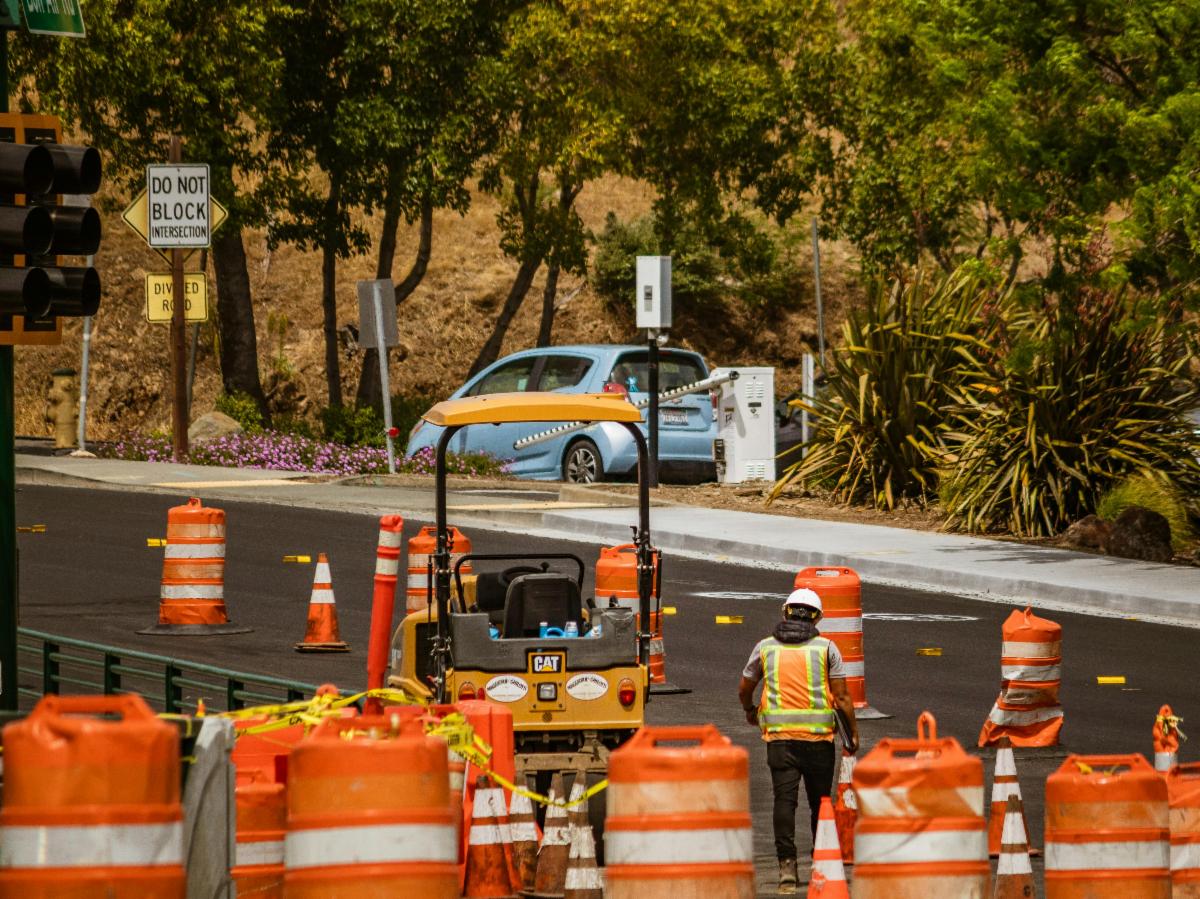
The government is taking steps to improve safety on road construction projects across America. The Federal Highway Administration has unveiled its first major update to work zone safety regulations in two decades, implementing new requirements for physical barriers and comprehensive safety reviews.
The updated version of the Work Zone Safety and Mobility Rule and Temporary Traffic Control Devices Rule will require states to use concrete barriers and other “positive protection devices” to shield workers from high-speed traffic during construction and maintenance operations. The regulations also encourage more data-driven programmatic reviews of work zone management.
Click here to learn more about the updated safety ordinance
(Photo courtesy of Robert So.)
| |  |
|
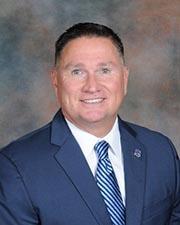
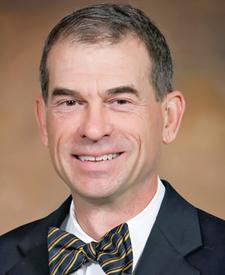
The Public Safety Commission has chosen the next director of the Texas Department of Public Safety (DPS). Freeman Martin, the agency’s current senior deputy director, will officially assume the role Dec. 1, 2024.
Current Director Steven McCraw announced his retirement in August, closing out 15 years of leading DPS. As his successor, Martin will oversee the agency’s operations, including a biennial budget of $3 billion and more than 11,000 employees.
Martin has spent his entire three-decade career with DPS, starting when he first acquired his Texas Peace Officer License in 1990. Before his appointment to deputy director in 2018, Martin served as the regional commander in the Central Texas Region.
| |
The city of Houston will invest $48.7 million to reconstruct a series of critical roadways in order to support multimodal mobility, enhance traffic safety and revitalize transportation infrastructure. Construction is expected to begin in 2025.
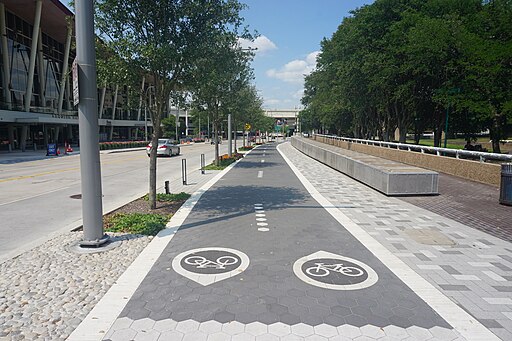
The Telephone Road: Main Street Revitalization project will require $26.2 million to rehabilitate and modernize a 2.8-mile section of roadway. In line with the city’s Vision Zero Action Plan, the project will emphasize safety improvements to better protect non-motorized travelers and transit users. That includes restriping crosswalks, installing green cross-bike marking and creating protected bidirectional bicycle lanes.
Traffic control measures will include reconstructing curbs and drainage to create tighter corners, designs to slow vehicles and enhance visibility. Additional efforts to protect pedestrians will include installing median refuge islands at nine locations as well as CCTV cameras at three fully rebuilt intersections.
The city will redesign the roadway to be more accessible by constructing ADA-accessible ramps and installing pedestrian-activated, signalized intersections. In addition, plans include supporting transit users by building and upgrading METRO bus stops and shelters with integrated lighting, digital bus information and access improvements.
Houston will invest $16 million to complete the second and third phases of the Westridge & Braes Terrace Street Improvements project. These phases will prioritize replacing, repairing and enhancing the streets in two neighborhood sections. The city will start by removing and replacing all curbs, gutters and driveway aprons within the project limits. The reconstructed roadways will be supplemented with new sidewalks, pavement and streetlight systems.
As part of the sidewalk replacement portion of the project, the city will also replace all storm sewer lines. Plans also include replacing water lines to ensure clean water compliance and improve service.
Approximately $6.5 million will be allocated to improve University Boulevard. The city will fully reconstruct the roadway and improve the segment’s stormwater, drinking water and wastewater systems.
(Photo courtesy of Michael Barera.)
| |
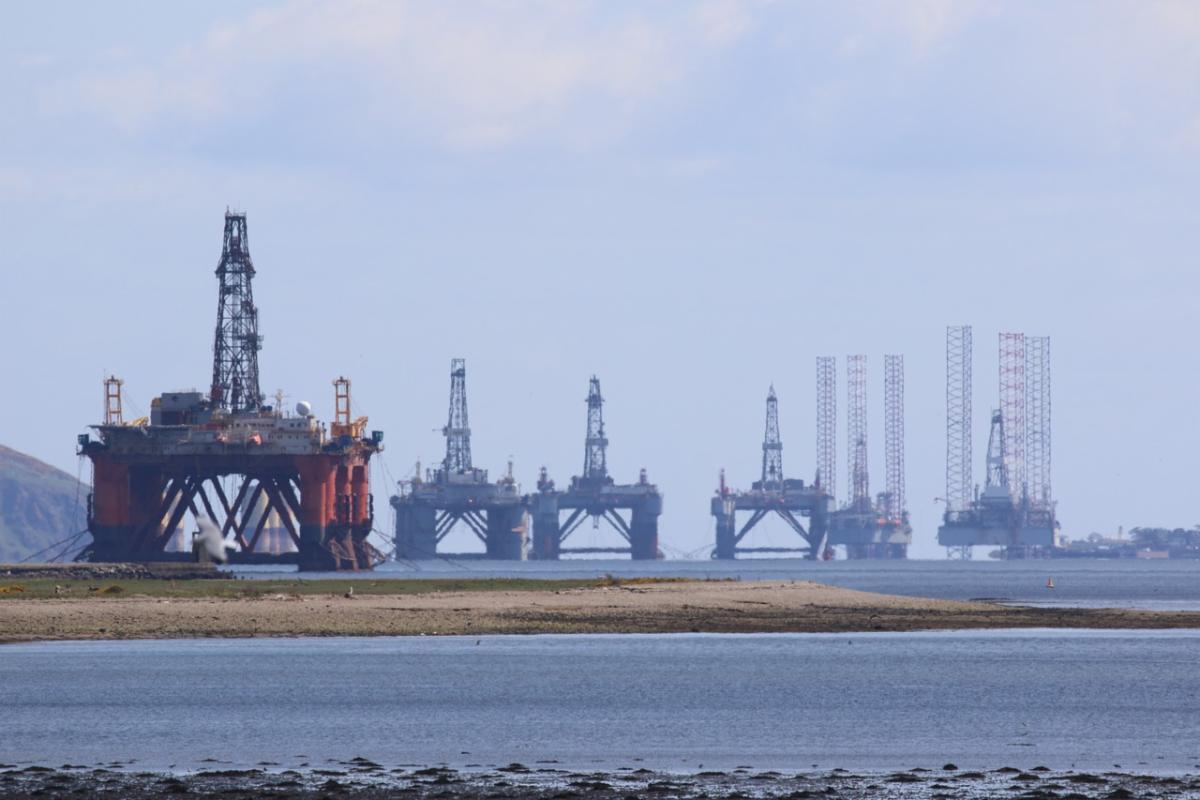
Multiple states and tribes will receive $16.45 billion in revenue from energy production on federal offshore areas and federal and tribal lands this year.
The Fiscal Year 2024 disbursement is the fourth largest annual payout since 1982, the Department of the Interior’s Office of Natural Resources Revenue said.
This revenue is generated from energy and mineral leases and other uses of public resources on the U.S. Outer Continental Shelf and onshore federal and tribal lands.
Click here for more information about how states and tribes will use billions from energy production revenue
(Photo courtesy of Elliott Day on Pixabay.)
| |
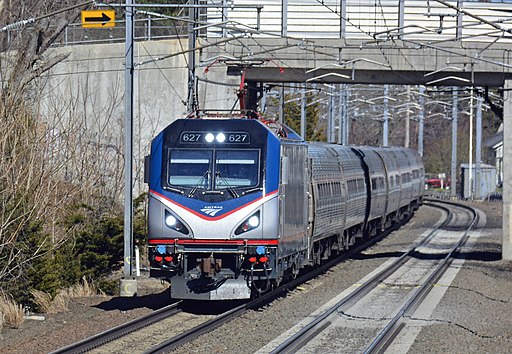
The Federal Railroad Administration is making nearly $1.5 billion available for projects aimed at improving rail infrastructure in the Northeast Corridor (NEC).
The funding is being made available through the FRA’s Federal-State Partnership for Intercity Passenger Rail Program (Fed-State NEC) for projects that involve repairing or replacing aging NEC infrastructure to provide faster, safer, and more reliable service for travelers and commuters.
Click here for more information about the Northeast Corridor rail projects
(Photo courtesy of John H Gray from Southern Maryland, USA.)
| |
The Texas Higher Education Coordinating Board has officially appointed Wynn Rosser, Ph.D., as CEO. Dr. Rosser currently works as a lecturer at the Texas A&M Bush School of Government & Public Service. He is an avid philanthropist and educator, bringing 32 years of experience to the role. Dr. Rosser will succeed Dr. Harrison Keller.
| |
After serving in an interim capacity since April 2024, Juan Antonio Nevarez has officially taken over as permanent director of El Paso International Airport. Nevarez brings more than two decades of experience working at the airport, most recently serving as assistant director of aviation operations and security. He officially shed his interim title Nov. 18.
| |
The city of University Park has appointed Talia Gregory as the next director of Human Resources. Gregory brings more than two decades of Human Resources experience to the position. She will leave her current role as assistant director of Human Resources for the North Texas Tollway Authority to assume her new duties. She will officially join the city Nov. 27.
| |
The Bay City Council has chosen to move Interim City Manager Scotty Jones into the permanent position. Jones has been serving as interim city manager since February 2024. Prior to her current role, Jones served as assistant city manager since October 2023. She has also served as the city’s finance director during two separate periods of her career. Jones succeeds Shawna Burkhart in the position.
| |
Gov. Greg Abbott announced these appointments and reappointments from Nov. 15 through Nov. 21:
Texas Board Of Occupational Therapy Examiners
Beverly Ferguson - League City
| |
Texas Government Insider is a free weekly newsletter detailing important happenings throughout the state and summarizing current political issues relevant to individuals interested in government.
Publisher: Mary Scott Nabers
Editors:
Adam Rollins
Jerrod Kingery
| |