Volume 22, Issue 4 - January 26, 2024 | |
|
Aging tunnels in America, coupled with the country’s continued growth, have created an extremely high demand for attention. The imminent repair and replacement will result in significant growth in the tunnel construction market in North America over the next several years.
Thousands of tunnels are in dire need of attention because every state has hundreds, and most of them are quite old. Yet the tunnels facilitate the movement of automobiles, trains and pedestrians seven days a week and are essential to the country’s economy. Tunnels represent some of the most ambitious infrastructure projects ever completed in the past, and the repair and replacement projects that are launching now are expected to be even more ambitious, complex, and expensive. The Gateway Hudson River Tunnel Project in New York, with a projected cost of $11 billion, will be supported by federal funding. Most other tunnel projects will also have some amount of federal funding represented.
The Massachusetts Water Resources Authority (MWRA) will construct two water supply tunnels to provide complete redundancy for the existing water tunnel system that is over 50 years old. The current system provides water for more than 40 eastern Massachusetts communities, and now the objective will be for the existing system to be inspected and rehabilitated without interrupting service. The total cost of this effort has not been announced, but $1.8 billion has been allocated to the project in the state’s 2024 Capital Improvement Program Budget.
The two new water supply tunnels will be 200 to 500 feet underground and lined with concrete. New piping will connect them to the existing water system. Once the tunnels are operational, components of the old tunnels can be inspected, repaired or replaced where necessary. Eventually, portions of the combined redundant tunnel system can be activated or deactivated as needed for maintenance and repair without causing major water service disruptions.
After receiving over $55 million from the U.S. Department of Transportation, state officials in New York will move forward on a Kensington Expressway Tunnel Project. The $922 million plan calls for designing and constructing a landscaped tunnel that will span about a mile of the Kensington Expressway on Route 33 in Buffalo. The future six-lane tunnel will be topped with a reinforced concrete surface covered with 3 feet of soil to accommodate the growth of foliage and trees. Because the project is currently in an environmental review process, construction is planned for 2025.
Click here for more
|  | |
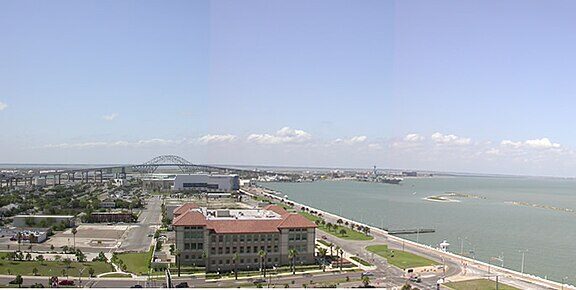
Corpus Christi will build a $757 million desalination plant after the City Council agreed to connect the facility to the state electric grid and seek additional state and federal funding.
The project will remove salt from 30 million gallons of seawater to increase drought resiliency. The desalination plant is part of an ongoing effort to provide a reliable water source to 500,000 residents in the state’s Coastal Bend region. Extended dry conditions dropped local reservoir levels nearly to 40% capacity in 2023. The conditions prompted Corpus Christi to keep water restrictions enacted in 2022 in place.
The city will apply for two grants to support the project – a $535.1 million loan from the State Water Implementation Fund (SWIFT) and federal funding from the U.S. Bureau of Reclamation (Reclamation) grant programs.
Texas lawmakers created SWIFT in 2013 to provide affordable and ongoing financial assistance for projects in the state’s water plan via low-interest loans, extended repayment terms and other favorable terms. To date, the program has provided $11.5 billion to fund state water projects.
The federal Bureau of Reclamation can provide up to 25% of the cost of planning and construction, ranging between $30 million to $180 million, for projects that help communities develop drought-resistant water supply sources.
City officials also approved $3 million to build a transmission line and substation to connect the desalination plant to the state’s electric grid. The project has an estimated $16.7 million cost. Neighboring American Electric Power (AEP) customers would also use the infrastructure, according to city officials, meaning that Corpus Christi would only have to pay one-fifth of the project’s total construction costs.
Click here for more
(Photo courtesy of Kim.)
| |
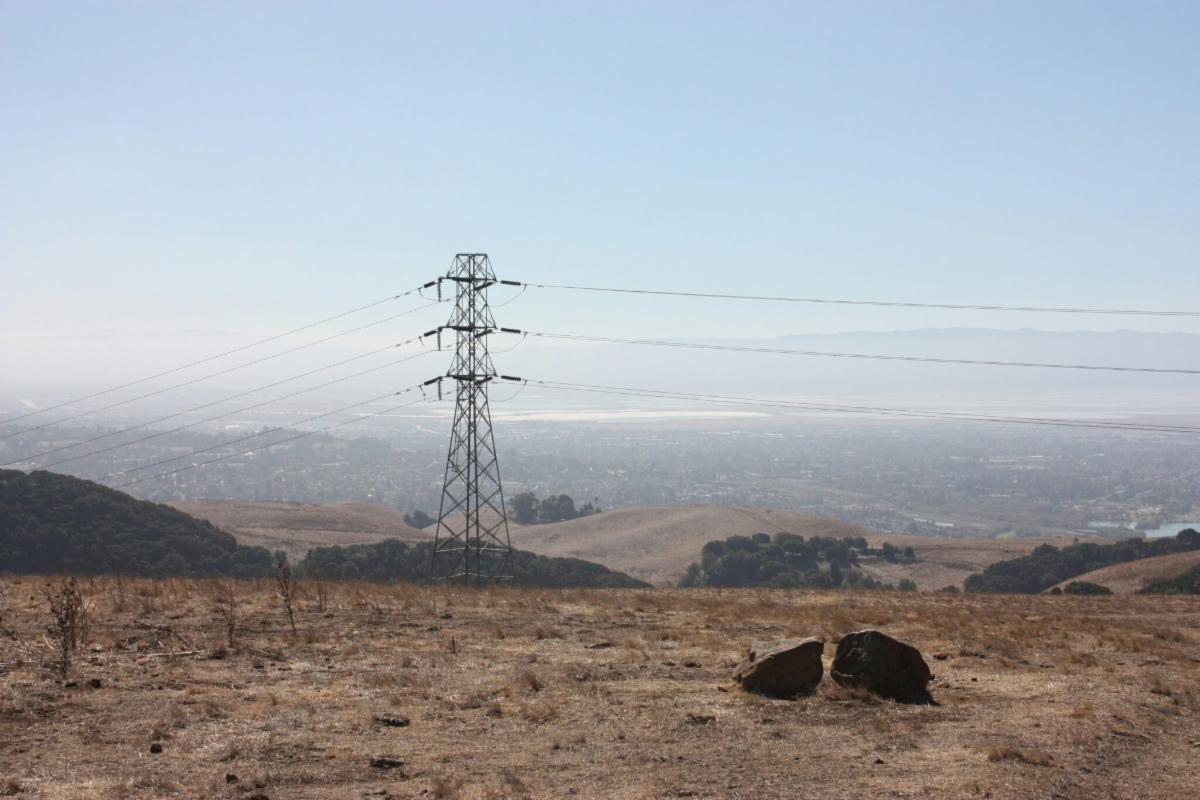
The U.S. Department of Energy is making $562 million available to states and tribes to strengthen and modernize America’s power grid.
The Grid Resilience State and Tribal Formula Grant for fiscal year 2024 provides funding to states and tribes for the modernization and replacement of aging power infrastructure, improved access to electricity in urban and underserved areas and the creation of microgrids. Applications are now open and close April 17, 2024.
States, territories and federally recognized Indian tribes will receive $2.3 billion over the next five years through Grid Resilience State and Tribal Formula Grants, including Alaska Native Regional Corporations and Alaska Native Village Corporations. The formula takes into account factors such as population size, land area, probability and severity of disruptive events, and historical mitigation expenditures by a locality.
States, territories and Indian tribes then award the funds to eligible entities to complete a range of projects, giving priority to those that generate the greatest community benefit while providing clean, affordable and reliable energy.
Several notable projects have received funding, including the Texas Division of Emergency Management’s $60.6 million effort to identify weaknesses in its grid resilience and minimize disruptions during extreme weather events. A portion of the funds will also be used to improve weatherization and modeling technologies, vegetation management and fuel load management, as well as increase the number of skilled workers working on these projects.
Click here for more
(Photo courtesy of Alex Rich on Unsplash.)
| |
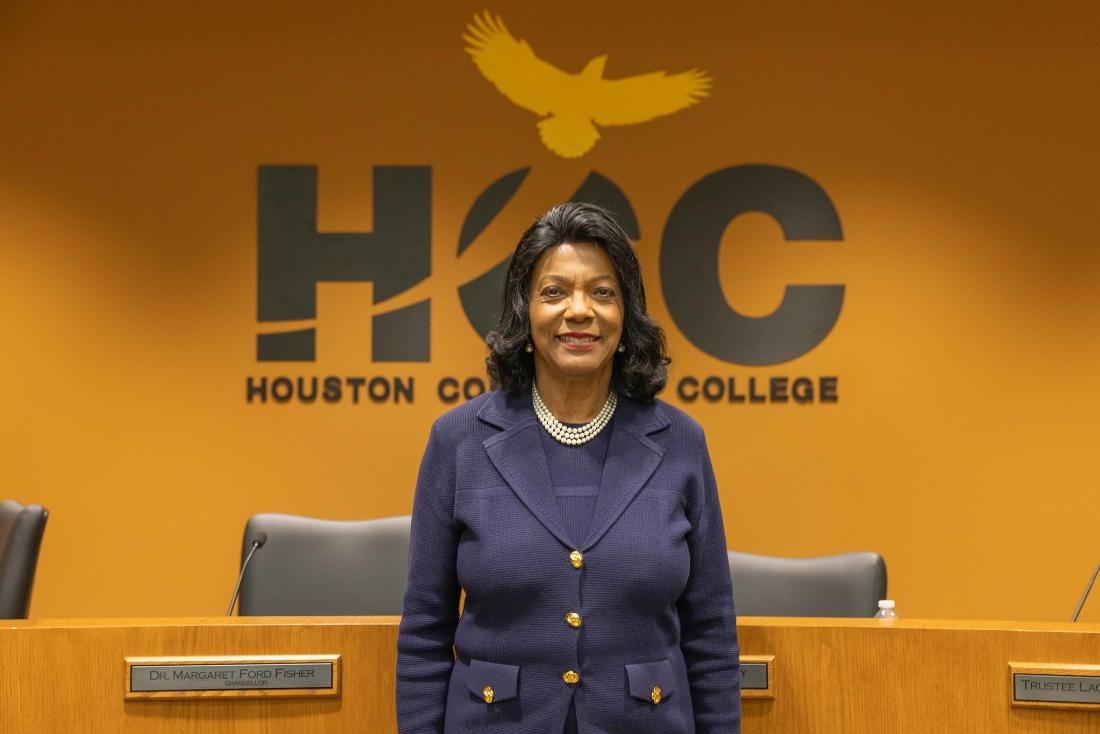
The Houston Community College (HCC) System this week voted 7-1 to appoint Dr. Margaret Ford Fisher as its ninth chancellor. Dr. Ford Fisher will be the first African-American female chancellor in HCC history. She has served as HCC’s interim chancellor since Sept. 1, 2023. As chancellor, Dr. Ford Fisher will oversee a $398 million operating budget, more than 50,700 students and 20 educational institutions.
Dr. Ford Fisher has worked with HCC in various roles over the past four decades, including as president of HCC’s Northeast College, interim vice chancellor of instruction and founding president of HCC Online. As president of HCC Online, she led the college in launching more than 60 fully online degree programs and 70 hybrid courses.
“Dr. Ford Fisher is a driven and passionate educator with deep institutional knowledge of HCC," Board Chair Dr. Cynthia Lenton-Gary said. "She is forward-looking and a nationally recognized leader who is ideal to move HCC forward in providing educational excellence and innovation.”
Dr. Ford Fisher takes over the chancellor role from Cesar Maldonado. Maldonado served as chancellor for nine years before leaving in August of 2023. In her first few months serving as the interim chancellor, Dr. Ford Fisher helped improve student access to HCC and boosted graduation and retention rates.
Click here for more
(Photo courtesy of Houston Community College.)
| |
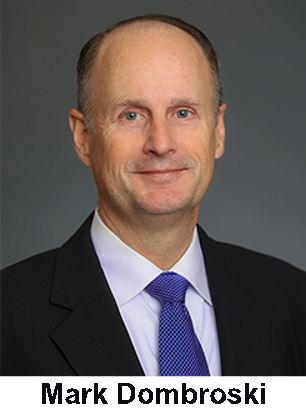
Mark Dombroski
Assistant General Manager, Chief Operating Officer
Brownsville Public Utilities Board
| |
Public career highlights and education: After serving five years as an active-duty marine corps officer, I began my finance and public service career with the accounting firm KPMG LLP in Houston. During my time with the firm’s Public Advisory Services, I gained experience with public power providers. I had the opportunity over the last 25 years to work as an economist, finance director, chief financial officer and chief operating officer for public power organizations. I received a bachelor of arts degree in Economics and History from the University of Texas at Dallas and a master of public administration from Seattle University, with honors.
What I like best about my public service: Working in the public utility sector allows me to focus on what is important to my community. As a public utility, we are owned by the communities we serve. I’m proud of my work to deliver renewable energy, energy and water conservation, and energy efficiency while also making our services affordable for our customers.
The best advice I’ve received: Be kind to others. It helps my self-esteem, helps to set the tone of conversations, reduces stress and leads to better overall health.
People might be interested to know: While I am a native Texan, I’ve had the opportunity to live in eight different states and visit 16 other countries.
One thing I wish more people knew about the Brownsville Public Utilities Board: We serve a wonderful bicultural community with a rich history and exciting future. Our port is leading Texas trade with its newest LNG plant under construction; UT Rio Grande Valley opened a medical school; SpaceX is leading the way to the moon, Mars and beyond; and it's all right here just off the Texas Gulf Coast.
| |
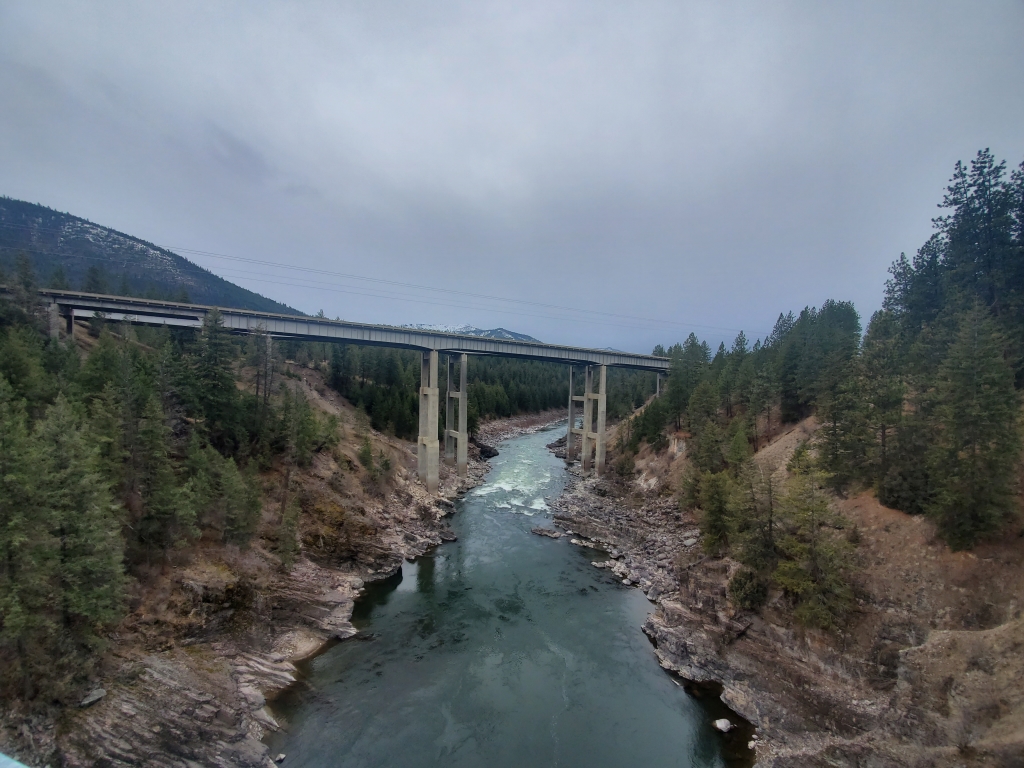
The federal government is making $4.9 billion available to 37 large-scale infrastructure projects across the United States through a pair of discretionary grant programs.
Eleven of the projects are being funded through the Department of Transportation’s (DOT) National Infrastructure Project Assistance (Mega) grant program, which focuses on projects that are uniquely large, complex and difficult to fund under traditional grant programs.
The projects funded through the Mega program will generate national and regional economic, mobility and safety benefits, the DOT said. The Mega program will provide $5 billion in funding through 2026.
The remaining 28 projects are being funded through the Infrastructure for Rebuilding America (INFRA) grant program, a pre-existing program that saw its funding increased 50% by the Bipartisan Infrastructure Law (BIL). The projects — half of which are in rural communities — are intended to improve movement of freight and people, DOT said.
Two projects received awards from both programs, following through on the DOT’s commitment to invest in non-traditional, multimodal projects that have been neglected because of complications around how to fund them.
The DOT chose this year’s awardees from a pool of 117 applications requesting $24.7 billion in Mega funding and 190 applications requesting $24.8 billion from the INFRA program.
Click here for more
(Photo: Alberton Bridge structures on westbound I-90 in Montana. Courtesy of the Montana Department of Transportation.)
| |
The city of Austin will direct $31.7 million to preserve and restore several historic buildings, iconic venues, museums and leisure spots.
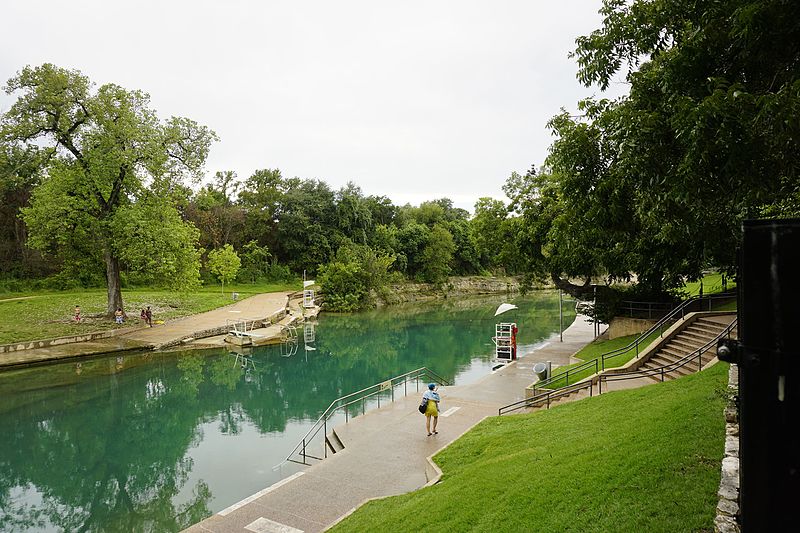
City council members recently approved a series of Historic Preservation Fund (HPF) grants, including nearly $12 million for capital projects. Of the capital projects, the city will use $11 million to rehabilitate a 1940’s-era bathhouse at Barton Springs, a spring-fed outdoor pool. Plans also call for improving the aquifer exhibits and education center in the bathhouse’s original basket area.
Over the years, the Barton Springs Bathhouse has deteriorated and fallen into disrepair. The city will restore the bathhouse by refurbishing critical parts of the changing rooms and entry rotunda, replacing the plumbing system, repairing the structure and improving access. The project is in the bidding and permitting phase.
Austin created the HPF program in 2018 to promote tourism by preserving, restoring and rehabilitating historic sites and properties. Including this year’s awards, the fund has provided a combined $80.4 million to support capital, planning, educational and marketing projects that embrace local history and heritage.
Austin will direct $3.6 million in Heritage Preservation Grants to restore 22 buildings citywide. This includes a pair of $250,000 grants to renovate the Paramount and Stateside theatres, $250,000 to repair and replace the Baker School’s windows and $237,000 to preserve the Henry G. Madison Log Cabin.
Click here for more
(Photo courtesy of Spawnzilla.)
|  | |
The city of Frisco’s efforts to expand its parks and trails are showing further signs of life as three projects totaling $14 million enter the design phase. The city expects to finish the design phase for each project during the first quarter of 2025. Construction will immediately follow.
Plans call for spending $7.5 million to develop the Iron Horse Trail along the city’s greenbelt. The city will build six prefabricated steel through-truss superstructure pedestrian bridges. The city will also build boardwalks and install 10-foot-high retaining walls along the trail, according to city documents. The trail will extend along Stewart Creek from the future Grand Park site to B.F. Phillips Community Park, extending westward to Lake Lewisville.
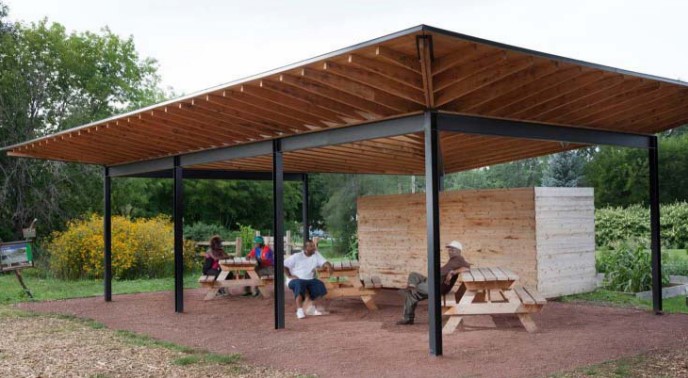
The city will also use $4 million to build the Forest Bark Dog Park. Developers will build the park within the city’s Harold Bacchus Community Park to serve neighborhoods in East Frisco. Plans for the 3-acre fenced dog park call for new sidewalks and trails, an observation deck overlooking Panther Creek and an interactive dog splash pad. The city will also update lighting, improve irrigation and install park signage.
The city will invest $2.5 million to develop the 7.6-acre Buffalo Ridge neighborhood park. The project calls for a pair of separate playgrounds, a creative nature playscape and a basketball court. The city will also build a main looping trail, secondary walking trails, a small footbridge crossing and shade structures.
Click here for more
(Photo: Design concepts for Buffalo Ridge Park. Courtesy of the city of Frisco.)
| |
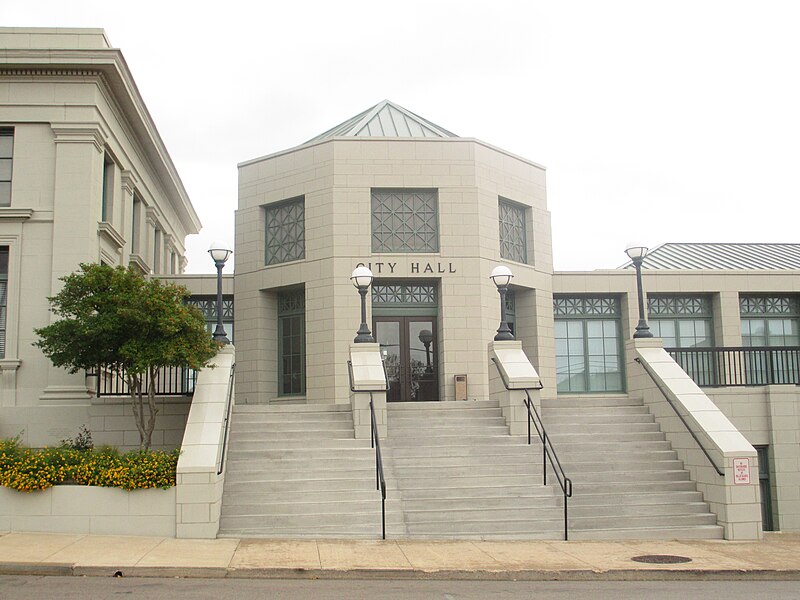
The town of Waxahachie will move its city hall renovation project into the design phase after appropriating an additional $5.6 million from the city’s General Fund. The $8.3 million project will fix water issues, add office and flex space, improve security and reprogram existing spaces throughout the building.
The city council adjusted the budget after a preliminary evaluation determined there were unforeseen issues the initial project goals would not address. Waxahachie is 30 miles south of Dallas.
To start the project, the city will demolish the city hall’s early 2000 addition to make room for a 12,000-square-foot, three-story office space. The space will contain the city council chambers, municipal court and support offices. In addition, the city will remodel the building’s 1911 and 1950 additions to install electrical work, HVAC systems, ceilings and interior finishes.
The updated plan includes expanding the building to accommodate future growth. The city will build a third floor “warm white shell” space to provide expansion and flex space. The shell space will lack an intended function, but it will feature basic structural elements, essential utilities and heating that the city can use as needed. The facility will also include an expandable “end wall” design that will offer additional space for future use.
Click here for more
(Photo courtesy of Billy Hathorn.)
| |  |
 | |
Dallas officials are preparing a $1.25 billion bond package that would support upgrades to roads, transportation, parks and public safety. Dallas City Council passed a motion Jan. 19 to add $150 million to the original proposed $1.1 billion bond. Voters could weigh in as early as May. For that to happen, the council would have to approve sending it to the ballot by Feb. 14 and call the election by Feb. 16.
Following December discussions on how to spend the prospective bond funds, a January city staff memo recommended spending $500 million on streets and transportation projects and another $250 million for Parks & Recreation. Plans also call for spending $60 million on housing and another $5 million on homelessness.
Additionally, the bond envisions a combined $89 million in public safety spending across police and fire departments. This includes $50 million for the police academy, $31 million for fire facilities and $8 million for police facilities. Other spending recommendations include:
- $55 million for cultural arts facilities.
- $50 million for flood protection and storm drainage.
- $45 million for city facilities.
- $30 million for economic development.
- $16 million for library facilities.
Click here for more
(Photo courtesy of Miguel Angel Omaña Rojas.)
|  | 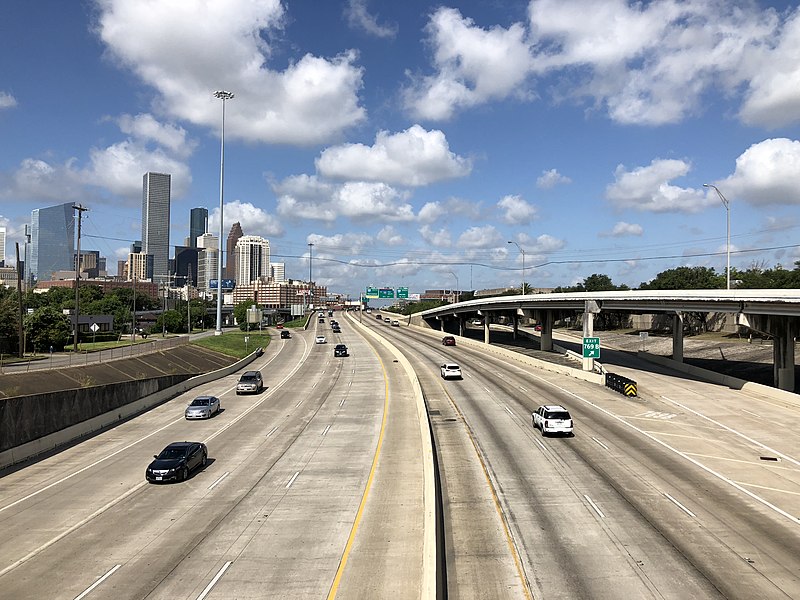 | |
The Texas Department of Transportation (TxDOT) will proceed with a $347 million plan to elevate a 1.8-mile stretch of Interstate 10 in downtown Houston. The road is historically prone to flooding and closure following tropical storms and hurricanes. Heavy rains have rendered the highway impassable 10 times in the last 31 years, according to TxDOT officials. The project is currently in the design phase. TxDOT expects construction to begin in 2025.
Following public feedback, TxDOT recently revised the project to elevate both of I-10's main lanes and the High Occupancy Vehicle (HOV) lanes above the nearby White Oak Bayou floodplain. The floodplain stretches from Heights Boulevard to downtown Houston. TxDOT will also widen the HOV lanes from 12 to 14 feet.
State officials unveiled six adjustments in response to public feedback received in July 2022. As part of the adjustments, TxDOT will work with Houston’s METRO transit authority to accommodate a Bus Rapid Transit (BRT) structure. TxDOT will move the I-10 main lanes to provide enough space for METRO to build the dedicated lane. Once built, the structure will service BRT and Regional Express buses within the corridor.
Click here for more
(Photo courtesy of Famartin.)
|  |  | |
The Texas Commission on Environmental Quality (TCEQ) is making $12 million available to build or reconstruct alternative fueling facilities statewide. Applications are due March 22, 2024.
The grants come from the Alternative Fueling Facilities Program (AFFP), an initiative that promotes building clean alternative fueling infrastructure. The AFFP is a part of the TCEQ’s Texas Emissions Reduction Program (TERP), a program that improves the state’s air quality by replacing outdated machinery with clean technology upgrades. TERP has distributed over $1.4 billion in grants since 2001 to reduce Nitrogen Oxide emissions.
Eligible alternative fuel types include compressed natural gas (CNG), liquified natural gas (LNG), or a combination of the two. Eligibility will also extend to hydrogen, biodiesel, biodiesel blends, propane, electricity and methanol (at least 85% by volume).
Projects must involve building or reconstructing alternative fueling facilities and be located within TERP’s Clean Transportation Zone, an 88-county area that primarily covers southern and eastern Texas. Eligible applicants include individuals, state and local governments, corporations or other legal entities.
Applicants can seek up to $600,000 in reimbursement for a project combining CNG and LNG. The program will also cover 50% of total project costs – up to $600,000 – for electricity or fuels other than natural gas. CNG or LNG projects are eligible for a maximum $400,000 reimbursement.
Click here for more
(Photo courtesy of the Department of Energy.)
|  | |
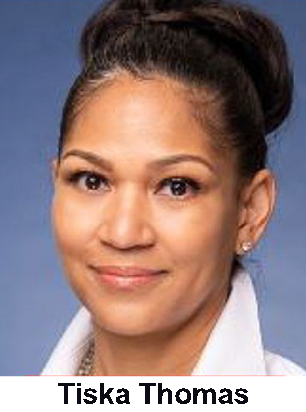
After working for Dallas College since 2009, Tiska Thomas stepped into the institution’s chief financial officer (CFO) position effective immediately. Thomas previously served as the college’s deputy chief business officer, leading a team of over 150. She brings extensive experience working with large budgets and an intimate familiarity with the Dallas College system to the role.
| |
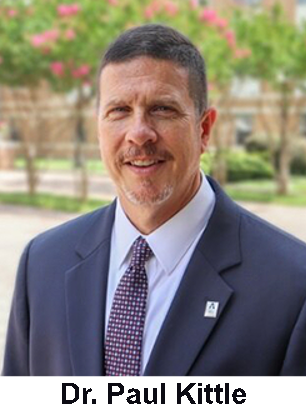
The University of Houston (UH) has appointed Dr. Paul Kittle as vice chancellor/vice president for student affairs. Dr. Kittle brings over 29 years of higher-education experience, holding positions at High Point University, Auburn University, Clemson University and Saint Francis University. He most recently served as the senior associate vice president for student affairs at the University of Texas at Arlington.
| |
Dr. Tyrone Sylvester has been hired by the Harris County Department of Education (HCDE) as executive director of human resources. Dr. Sylvester currently serves as director of human resources at Goose Creek Consolidated Independent School District. He brings 30 years of education experience to the role. Dr. Sylvester has worked in various roles throughout his career, including director of bands in Beaumont ISD, principal at O’Donnell Middle School and director of human resources for Spring ISD.
| |
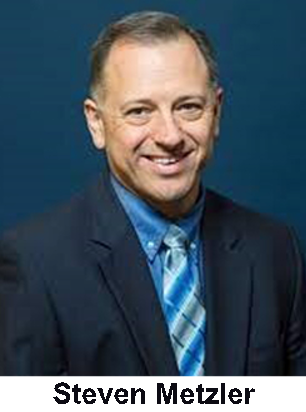
The San Antonio River Authority has selected Steven Metzler as director of water resources. Metzler brings 12 years of water-management experience with him, starting as the water delivery engineering manager for the Tarrant Regional Water District in 2012. He most recently served as manager of construction services for the Trinity River Authority of Texas. Before moving into water management, Metzler worked for three years as project manager for the city of Irving’s Capital Improvement Program (CIP) department.
| |
Gov. Greg Abbott announced these appointments and reappointments from Jan. 19 through Jan. 25:
Chair Of Public Utility Commission Of Texas
Thomas Gleeson - Pflugerville
| |
Texas Government Insider is a free weekly newsletter detailing important happenings throughout the state and summarizing current political issues relevant to individuals interested in government.
Publisher: Mary Scott Nabers
Editors:
Adam Rollins
Dave Doolittle
| | |
|
|
Check out our
social media links!
|
|
Help us share this message.
To ensure delivery and proper formatting of the newsletter, be sure to add editor@spartnerships.com to your safe senders list. Otherwise, the newsletter may be flagged as spam and automatically routed to your junk e-mail folder.
| |
|
For news or calendar items: editor@spartnerships.com
For information about SPI's products and services: sales@spartnerships.com
© 2024 Strategic Partnerships, Inc. All rights reserved.
| | | | | |