Volume 22, Issue 2 - January 12, 2024 | |
|
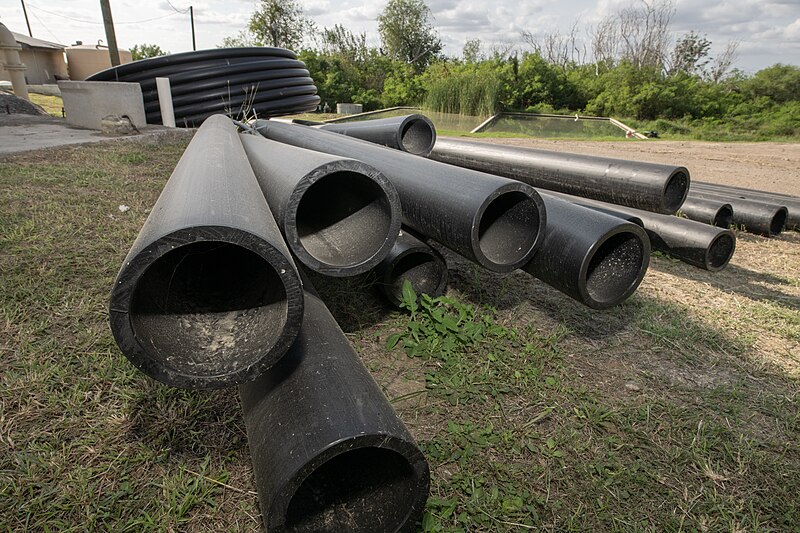
It is shocking to realize that more than 42% of America’s 617,000 bridges are more than half a century old, and one-third of them are in dire need of repair or replacement. Even more sobering is the fact that 46,000 U.S. bridges are considered structurally deficient or in poor condition, given that 178 million trips are made on them daily.
Even though the government spends more than $14 billion annually on bridge construction and repair, the latest engineering study reports that $135 billion is closer to what is needed currently to address the infrastructure issue. When Congress passed the Bipartisan Infrastructure Bill, approximately $35 billion in funding was made available. Although this amount is insufficient, it is evident that thousands of bridge projects will be launched in the next several years.
The I-83 South Bridge in Pennsylvania is nearing the end of its useful life, and the replacement cost is estimated to be approximately $1.1 billion. The state’s Department of Transportation will oversee a construction project to replace the 64-year-old structure in 2026. An environmental assessment has already been completed.
The South Bridge connects downtown Harrisburg to Cumberland County across the Susquehanna River. About 125,000 vehicles traverse it daily. The new bridge will be wider with additional lanes and wider shoulders to accommodate future traffic growth. The state project will also reconfigure two surrounding interchanges and replace the South 3rd Street Bridge in Lemoyne as another part of this project.
The Alabama Department of Transportation (ALDOT) will oversee the construction of a flyover bridge in Tuscaloosa at a cost of $89 million. The bridge project will be designed to allow vehicles to pass over Highway 69 and Skyland Boulevard in both directions without having to stop at a light. Approximately 56,000 vehicles use the roadway daily. City crews are currently carrying out utility work to prepare the area and construction is planned to begin this summer.
Click here for more
|  | |
Welcome to the inaugural episode of “The Connection: Partnering Public & Private Entities,” the podcast specifically for professionals navigating the intricacies of government procurement, public-private partnerships and policy innovation.
This enlightening podcast series serves as an essential companion to Government Market News, the premier destination for comprehensive coverage of the U.S. government marketplace — the world’s largest and most dynamic economic sector.
Each episode of “The Connection” offers a deep dive into the latest government market developments, from emerging contracting opportunities to the nuances of policy trends that are reshaping the United States. Our distinguished guests, including public officials, seasoned business leaders and the foremost experts on public-private collaboration, will provide you with the knowledge and perspectives necessary to thrive in this multi-trillion-dollar marketplace.
In this episode, hosts Mary Scott Nabers and Marshall Macomber delve into the transformative world of public-private partnerships (P3s) and how they can be used to develop infrastructure and create innovative technology.
Look for new episodes of “The Connection: Partnering Public and Private Entities” wherever you get your podcasts.
Click here for more
(Photo: Rendering of the Harold Simmons Park event lawn. Courtesy of the Trinity Park Conservancy.)
| |
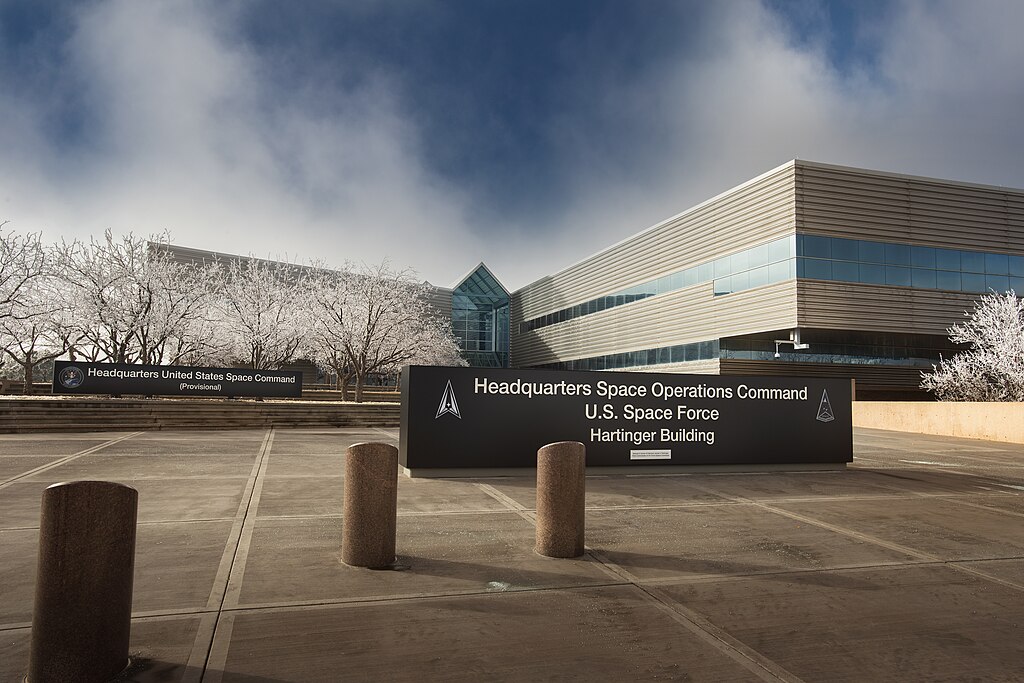
The U.S. Space Force (USSF) has chosen Texas A&M to lead a new institute dedicated to researching and developing technologies to advance the government’s capabilities in space. Backed by $37.6 million in federal funding, Texas A&M will lead the Space Strategic Technical Institute for In-Space Operations (SSTI-ISO), centered around the Texas A&M RELLIS campus in Bryan.
The Texas school is one of two institutions tapped by Space Force to carry out SSTI research. USSF issued a separate $12.3 million award to the University of Cincinnati.
The USSF is establishing a pair of SSTIs to address space and technology challenges via a network for partnered universities, with the goal of developing “transformational space domain technology breakthroughs,” according to a federal overview. “It is highly desired for the research to lead to testbeds, high fidelity modeling and simulations, demonstrations, and prototypes.”
The SSTI-ISO will develop research for advances in Space Access, Mobility, Logistics (SAML), which fall under the umbrella of In-Space Operations. As the lead university, Texas A&M officials said the majority of testing will be performed in a dual spacecraft testbed located on the RELLIS campus.
Click here for more
(Photo courtesy of Christopher Dewitt.)
| |
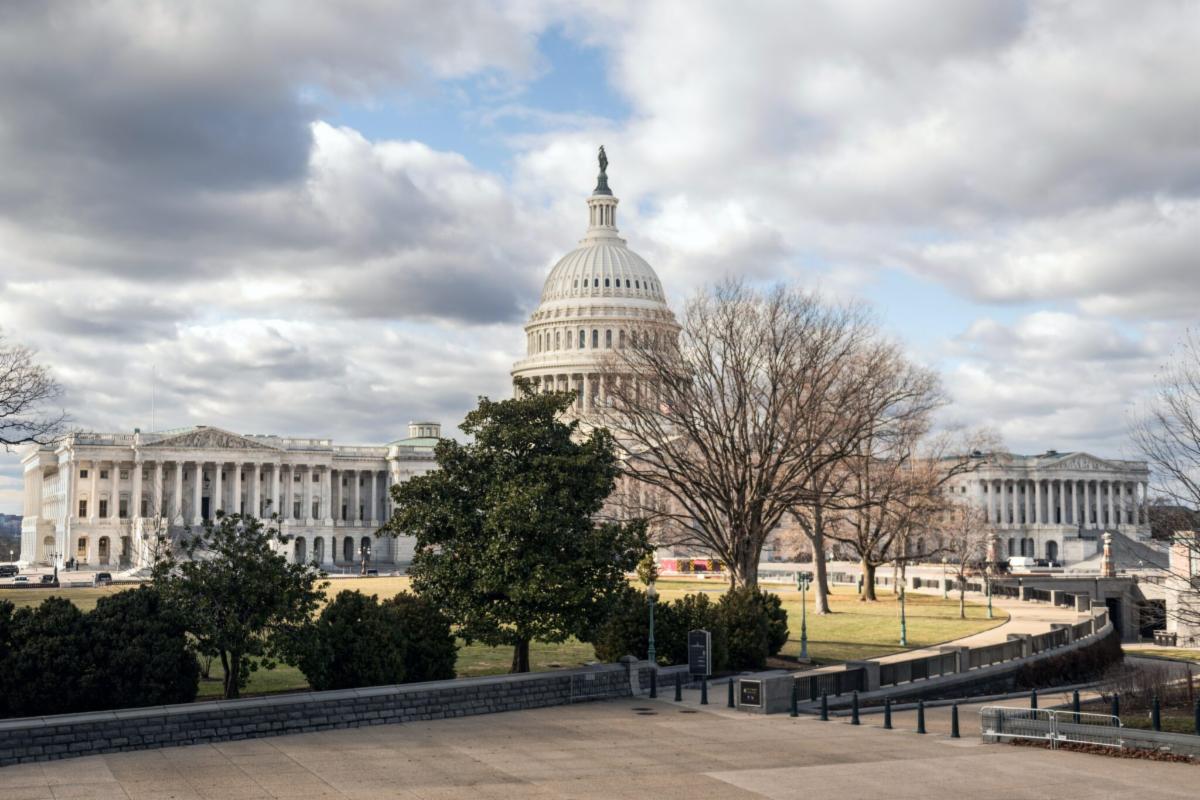
As the U.S. continues efforts to incentivize domestic manufacturing for clean energy, some lawmakers are raising concerns about the eligibility of incentives for electric vehicles that contain components processed in foreign countries.
The Senate Committee on Energy and Natural Resources met Jan. 11 for a hearing to question the Department of Energy (DOE) and the U.S. Treasury weeks after the Treasury released proposed rules regarding the implementation of the Inflation Reduction Act’s clean vehicle tax credit, also known as Section 30D.
Under the Inflation Reduction Act, consumers and businesses can apply for certain incentives and tax credits when purchasing an electric vehicle. The Treasury recently restricted incentives starting in 2024 from vehicles with batteries that use processed or extracted critical minerals by a foreign entity of concern (FEOC).
Click here for more
(Photo courtesy of Tim Mossholder on Unsplash.)
| |
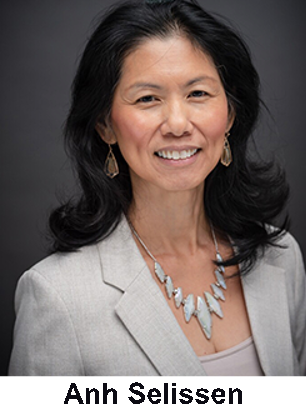
Ahn Selissen
Chief Information Officer
Texas Department of Transportation
| |
Public career highlights and education: I earned my BS in Geology at Baylor University and my MS in Geoscience at Michigan Technological University. Most of my career has been in the public sector- the Texas Water Development Board, University of Texas at Austin, Texas Comptroller of Public Accounts and now the Chief Information Officer at the Texas Department of Transportation. I have served as president of the Texas Association of State Systems for Computing and Communications (TASSCC) and I am an active participant of AASHTO (American Association of State Highway and Transportation Officials). I also founded a Women in IT Leadership group to help empower IT women leaders in the government sector.
I have received several awards and acknowledgements including, State Leadership of the Year (StateScoop 50), Trailblazer Award (CIO Roundtable 2022), IT Executive of the Year Award (Society of Information Management (SIM) Austin), and the Women in Tech Excellence Award (Society of Information Management (SIM) Austin).
What I like best about my public service is: Being able to give back to the State of Texas is what I love. Being a Vietnamese refugee who benefitted from the freedom and opportunities of this country made me passionate about serving. In addition, working with a diverse and talented group of people who have similar mindsets is so rewarding. TxDOT is a melting pot of cultures, backgrounds, and perspectives. This diversity of thought leads to more creative and innovative solutions. It is satisfying to know our work is making a real difference to Texas citizens.
The best advice I’ve received is: Stay humble and seek mentorship and guidance from different people. Mentors provide knowledge, networking opportunities, support, and encouragement. They give you a fresh perspective on your challenges and help you become more self-aware of your strengths and weaknesses. It is also very powerful to have people in your inner circle who will tell you honestly what they think.
People might be interested to know that: I am an active caregiver for my 93-year-old dad. He lives with me and is my personal life legacy. By providing him with quality care and love, I am teaching my kids about giving back to family. I also time to mentoring young women and supporting for the elderly in central Texas.
One thing I wish more people knew about the Texas Department of Transportation is: TxDOT is being innovative in improving transportation in Texas. We are working on several projects to improve traffic flow, reduce congestion, and make our roads safer. We are also using technology, such as artificial intelligence, to improve the customer experience, such as by developing mobile apps that provide real-time traffic information and reducing customer access tickets from days to minutes.
|  | |
The city of El Paso will move forward with a plan to combat climate change following one of the hottest years recorded in the city’s history. During its Jan. 3 meeting, the El Paso City Council approved a $1.2 million design contract with AECOM Technical Services Inc. to help the city develop its first formalized Climate Action Plan (CAP).
El Paso shattered heat records in 2023 with 44 consecutive days of triple-digit heat, according to the National Weather Service. As temperatures rise year after year, the city took action to produce its own CAP in time to qualify for an implementation grant of up to $500 million from the Environmental Protection Agency’s (EPA) Climate Pollution Reduction Grants (CPRG) program.
The CPRG program is a $5 billion initiative to enable states, government, tribes and territories to design and implement plans to combat climate change. The application deadline is April 1, 2024.
The city’s CAP will identify short- and long-term goals, measures and policies the city will implement to reduce greenhouse-gas emissions and climate risk adaptation in transportation, buildings, waste management, land use, energy, water, industrial processes and more.
Click here for more
(Photo courtesy of the city of El Paso.)
| |
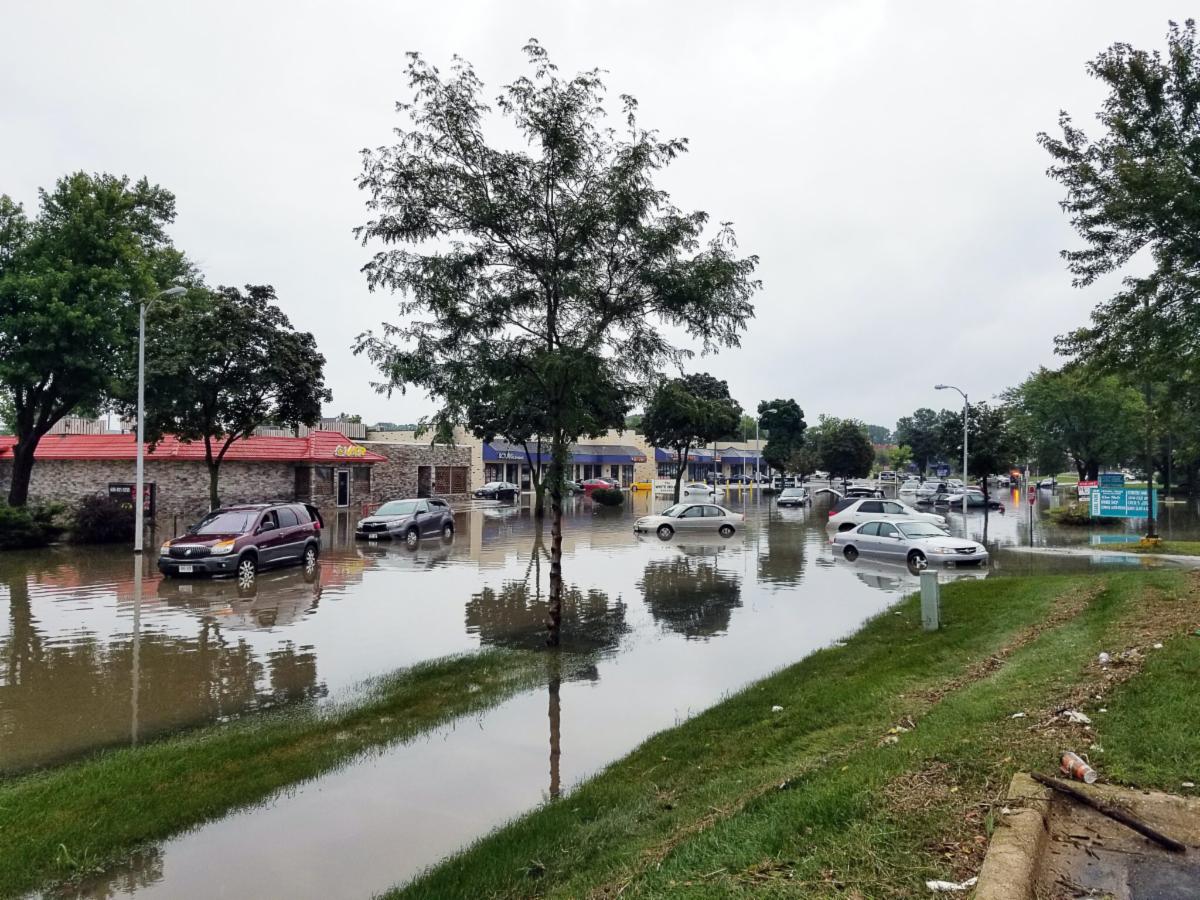
Communities looking to reduce their vulnerability to natural disasters are getting a second chance at a federal program that has tripled the amount it is awarding since its first funding opportunity.
The Federal Emergency Management Agency (FEMA) recently announced the second funding opportunity for its Safeguarding Tomorrow Revolving Loan Fund (RLF) grant program to make communities safer from natural hazards.
FEMA said $150 million is available through the second round of the program, up from $50 million in the program’s first year. The application period opens Feb. 1 and runs through April 30.
The nationwide program is funded through the Bipartisan Infrastructure Law (BIL). Applicants eligible to receive revolving loan capitalization grants include states, the District of Columbia, territories and federally recognized tribes that have received a major disaster declaration.
Click here for more
(Photo courtesy of jim gade on Unsplash.)
| |
Two federal agencies have announced initiatives that will help school districts nationwide modernize aging infrastructure and implement clean-energy technology, such as solar panels and electric vehicles.
The U.S. Department of Education last week made $47 million available to eight state education departments and one consortium to help school districts in disadvantaged communities upgrade facilities.
The discretionary grants will be dispersed over five years as part of the Supporting America’s School Infrastructure (SASI) program, which helps high-need local educational agencies (LEAs) provide students with a safe and healthy learning environment.
Across the country, many students go to school in unstable, century-old buildings with outdated technology, according to districts that applied for $178 million from the Department of Energy’s Renew America’s Schools Program (RASP) last summer. The three improvements most requested were HVAC systems, lighting and structure envelopes.
Click here for more
(Photo courtesy of Priscilla Du Preez on Unsplash.)
| |
Texas will invest $15.4 million to support six military infrastructure projects, including the improvement of water supply and rail operations at military installations. Texas Governor Greg Abbott recently announced the new round of grants from the Texas Military Preparedness Commission’s (TMPC) Defense Economic Adjustment Assistance Grant (DEAAG) program.
The DEAAG program is designed to assist military communities in their response or recovery from either a termination or reduction of defense contracts. Grants are invested to support Texas military communities and protect jobs from the impacts of the Base Realignment and Closure (BRAC) — a process designed to increase efficiency by closing some installations following the end of the Cold War.
The grant program operates under the TPMC, a 13-member body typically representing a military community that advises the governor and Texas lawmakers on defense and military issues.
Harker Heights’s Fort Cavazos will receive a $5 million grant from TMPC for the Railhead Energy Resiliency Project to support the conversion of one of the base’s switch locomotive from diesel to electric at a total cost of $12.3 million. Belton City Council officials signed off on the project in 2023, saying the investment will improve rail operations with increased capability, while reducing operational and maintenance costs. Fort Cavazos will pick up the remaining $7.3 million for the project, which also calls for a 2.4MW (megawatt) mobile backup battery to continue rail operations in the event of a power outage.
Click here for more
(Photo courtesy of Ankush Minda on Unsplash.)
| |
The application process for four initiatives designed to help Texas communities improve access to safe drinking water have begun, including some that are eligible for funding through a new dedicated water fund.
Since 1958, the Texas Water Development Board (TWDB) has administered about $36 billion for water infrastructure projects around Texas. That number is set to rise after Texas voters in November approved the Texas Water Fund, which finances specific water projects statewide. Lawmakers created the fund and authorized a one-time, $1 billion supplemental appropriation of general revenue during the 88th regular legislative session last year.
More than $250 million of the newly created fund is projected to go toward projects that create novel water supply sources.
Click here for more
(Photo courtesy of the U.S. Department of Agriculture.)
| |
The United States Department of Agriculture (USDA) Rural Development is set to host a crucial webinar, focusing on the upcoming Distance Learning and Telemedicine (DLT) Grants. This initiative is part of USDA's efforts to address the challenges faced by rural communities, such as remoteness and low population density, through the use of advanced telecommunications technology.
Scheduled for Jan. 17, 2024, Wednesday, from 10 am-11 am, the webinar aims to provide detailed insights into the DLT Grant opportunity. Participants are encouraged to register here for the event. During the session, USDA Rural Development staff will discuss various aspects of the grant, including the application process, eligibility criteria, and the broad spectrum of fund utilization.
The DLT Grant, with awards ranging from $50,000 to $1 million, is expected to open its application window in January 2024 for a 60-day period. Eligible entities include state and local government organizations, federally-recognized Tribes, nonprofit organizations, incorporated for-profit businesses and consortia of eligible entities. The program specifically targets rural areas with populations of 20,000 or fewer, emphasizing its focus on underserved communities.
Click here for more
(Photo courtesy of Tumisu on Pixabay.)
| |  |
 | |
Sen. Judith Zaffirini made history by becoming the first woman to serve as Senate Dean in almost 180 years of Texan history. Sen. Zaffirini has served as the Texas Senate’s second longest-serving member for the past 16 years, earning her the unofficial “dean-in-waiting" title. Her appointment on Dec. 31, 2023, follows Sen. John Whitmire’s resignation to accept the role as the mayor of Houston.
When Sen. Zaffirini won her election in 1986, she became a trailblazer for women serving in the Texas Senate. She was the seventh woman ever to hold a seat at the time. According to Sen. Zaffirini, “Only 24 women have served in the Texas Senate with 952 men, including the four Democratic and four Republican women who serve today.”
Her career reflects an enduring work ethic. Since joining the Senate, Sen. Zaffirini has passed 1,388 bills and cast 72,132 consecutive votes as of 2023. She holds a perfect voting record spanning 38 years– both a state and national record. She has amassed more than 1,200 awards and honors for her accomplishments.
Click here for more
(Photo courtesy of the Texas Senate.)
|  |  | |
Three Texas electric vehicle (EV) infrastructure projects will receive a combined $100 million to add to the state’s capacity of public EV charging stations. The federal network boost is part of a $623 million infrastructure investment to support a federal goal of supplying 500,000 chargers to the public by 2030.
The grants are sourced by the Bipartisan Infrastructure Law’s $2.5 billion Charging and Fueling Infrastructure (CFI) Discretionary Grant Program. The competitive funding program will build 7,500 EV charging ports and fund 47 EV charging and alternative-fueling infrastructure projects in 22 states and Puerto Rico.
The Federal Highway Administration (FHWA) is awarding $311 million to 36 projects supporting EV charging and hydrogen fueling infrastructure in urban and rural communities, including two Tribes in Alaska and Arizona. Those infrastructure upgrades will appear in high-use locations, including schools, parks, libraries and multi-family housing. Another 11 projects receiving a combined $312 million will target projects located along roadways designated as Alternative Fuel Corridors.
Construction of the EV chargers supported by CFI funds must meet the same minimum standards by the National Electric Vehicle Infrastructure or NEVI program. As part of that requirement, chargers must be made in America and installed and maintained in alignment with strong workforce standards.
Click here for more
(Photo courtesy of Sophie Jonas on Unsplash.)
|  |  | |
The state of Texas will receive $26.2 million from the Environmental Protection Agency (EPA) to replace 75 diesel-burning school buses with zero- or low-emission models across seven school districts. The funding comes from the Clean School Bus Program (CSB), a $5 billion five-year initiative to replace polluting school buses and deliver cleaner air to communities.
School buses powered by diesel engines produce air pollution linked to asthma and other respiratory conditions that affect student attendance, well-being and success. To date, the federal agency has awarded $1.84 billion to replace 5,103 buses nationwide according to the EPA website.
Alief Independent School District is receiving $7.9 million to acquire 20 clean school buses. The independent school districts of Fort Worth and San Antonio will receive a combined $12 million to support separate purchases of 15 clean school buses. The EPA will also direct more than $6.2 million to Austin Independent School District to replace 25 buses.
Click here for more
(Photo courtesy of Maximilian Simson on Unsplash.)
|  | |
Stephen Calvert has been appointed as the new chief financial officer for the city of Wichita Falls. He will be taking over the position from Jessica Williams. Calvert joined the Finance Department of the City of Wichita Falls as a Senior Budget Analyst in May 2022.
| |
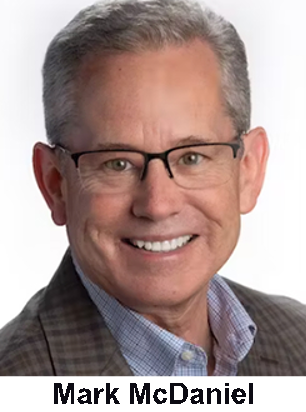
Mark McDaniel has been appointed as the deputy city manager in Fort Worth. He formerly served as the Interim Chief Transformation Officer and was instrumental in creating FWLab, the city's innovation department. McDaniel previously worked as assistant city manager for the city of Dallas and the city manager for the cities of Kerrville and Tyler, amongst many others.
| |
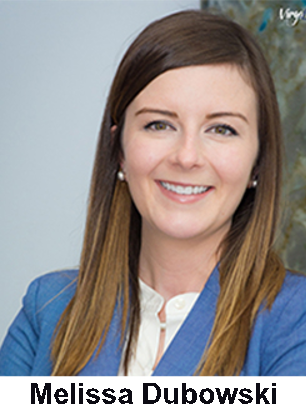
Houston's John Whitmire appointed Melissa Dubowski as the interim finance director on Jan. 5, replacing Will Jones, appointed by ex-Mayor Turner in September 2022. Dubowski has been with the city since 2014 and was appointed deputy finance director in 2019.
| |
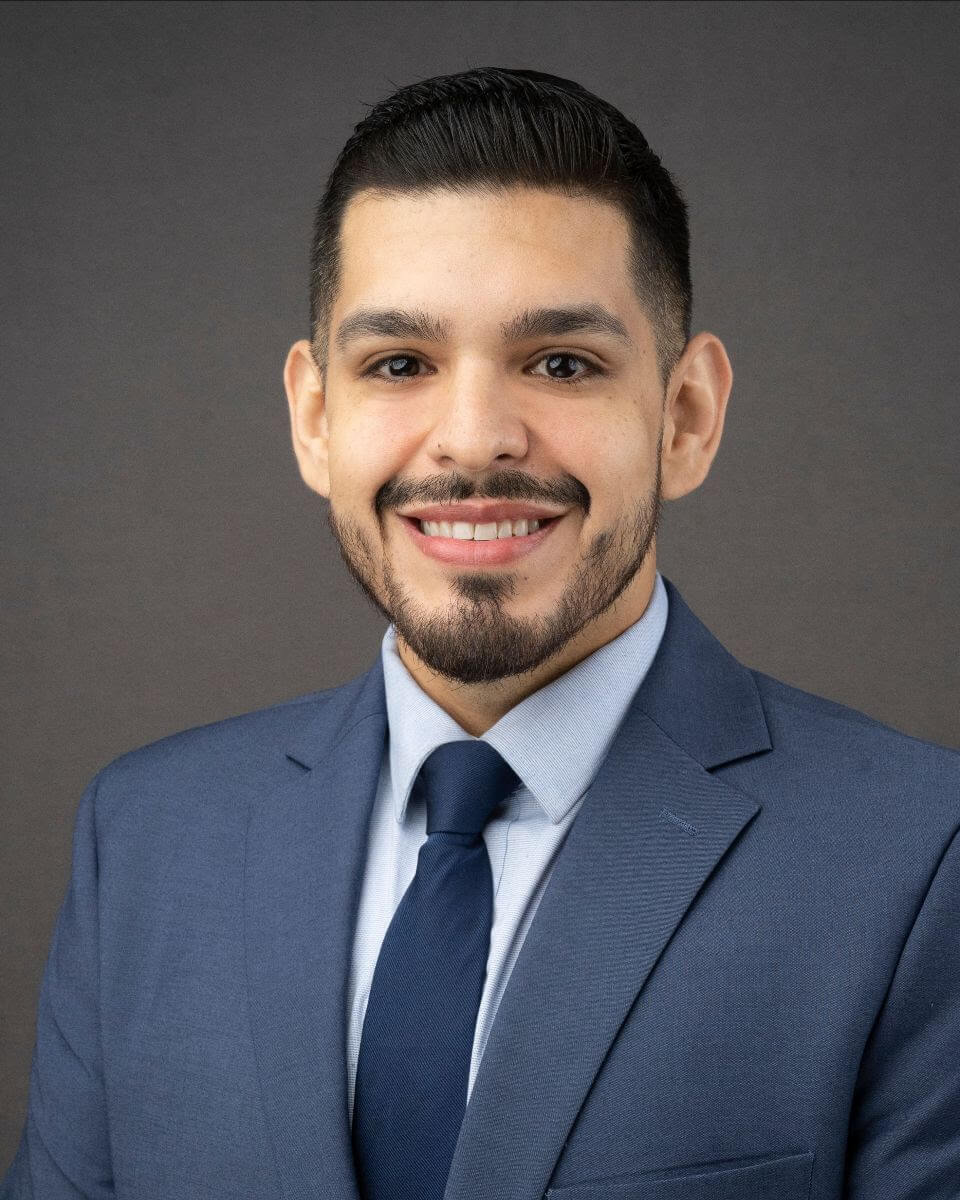
Carlos Javier "C.J." Sanchez has been appointed as the new president of the Greater Pharr Chamber of Commerce (GPCC), previously serving as the executive director of the Hidalgo County Bar Association & Foundation for eight years.
| |
Gov. Greg Abbott announced these appointments and reappointments from Jan. 5 through Jan. 11:
Department Of Information Resources
Keith Halman - Lubbock
Governor’s Commission For Women
Gay Gaddis - Austin
Kimberly Ratcliff - Oakwood
Janine Turner - Valley View
(all reappointed)
Gina Bellinger - San Antonio
Gita Bolt - Houston
Ashley Cash - Lubbock
Denise Castillo-Rhodes - Houston
Cynthia “Cindy” Conroy - El Paso
Sasha Crane - McAllen
Maru De La Paz - Harlingen
Angelique De Luca - Fort Worth
Amy Henderson - Amarillo
Jinous Rouhani - Austin
Nathali Parker Weisman - New Braunfels
Patsy Wesson - Fort Worth
Texas Farm And Ranch Lands Conservation Council
Gilbert “Gilly” Riojas - Corpus Christi
Russell Boening - Floresville
Texas Commission On The Arts
Abid Neemuchwala - Little Elm
Nancy C. Windham - Nacogdoches
Kent Perkins - Mingus
Karen Partee - McKinney
Patty Nuss - Corpus Christi (reappointed)
|  | |
Texas Government Insider is a free weekly newsletter detailing important happenings throughout the state and summarizing current political issues relevant to individuals interested in government.
Publisher: Mary Scott Nabers
Editors:
Adam Rollins
Dave Doolittle
| | |
|
|
Check out our
social media links!
|
|
Help us share this message.
To ensure delivery and proper formatting of the newsletter, be sure to add editor@spartnerships.com to your safe senders list. Otherwise, the newsletter may be flagged as spam and automatically routed to your junk e-mail folder.
| |
|
For news or calendar items: editor@spartnerships.com
For information about SPI's products and services: sales@spartnerships.com
© 2024 Strategic Partnerships, Inc. All rights reserved.
| | | | | |