Volume 22, Issue 31 - August 9, 2024 | |
|
Welcome to the future! Public transportation is evolving so rapidly that it feels as if travel options are changing faster than ever thought possible. New ride options are abundant, and everything is being done to provide convenience. In many parts of the country, affordable housing and new communities are being created near transit loading stations.
Automation and cutting-edge technology are at the forefront of the public transportation revolution. The benefits of automation are manifold, with one of the most significant being the assurance of punctuality, operational efficiency and cost reduction. Disaggregation, however, is the real game changer.
Disaggregation in a transit system provides flexibility for various new transportation options. It is different from a ride-sharing or taxi service—the new options are much different. Some of the most prominent changes occurring now are reflected in the examples of innovative transit projects described here.
A new type of innovative autonomous transportation technology will be deployed soon in San Jose and East Contra Costa County, California. It is a personal vehicle that will autonomously move in dedicated lanes to transport up to four passengers directly to their destination with no stops.
These new types of individual transport vehicles promise to significantly reduce travel time. They are large enough to accommodate luggage and even wheelchairs. Because they do not have trunks or hoods, they have no wasted space. People can soon summon a personal vehicle through an app or select one at a transit hub. It will then travel along a dedicated lane that runs parallel to roadways. It will also provide a new and unique public transportation option. The California project will be delivered through a public-private partnership engagement.
Autonomous Rail Transit (ART) systems are becoming common. It provides an automated, safe and convenient travel option that riders appreciate. Transit officials appreciate it because it is less costly and offers the benefits of rail transit by using existing roadways. One way to think of an ART system is that it is a train that travels on rubber wheels. The track is not a rail but an automated driving system that follows a set route. The cost is significantly less because it eliminates the need for new rail infrastructure. While it operates like a bus system, it carries more passengers and has advanced stabilizing technology, making the ride smoother.
Click here for more
| |
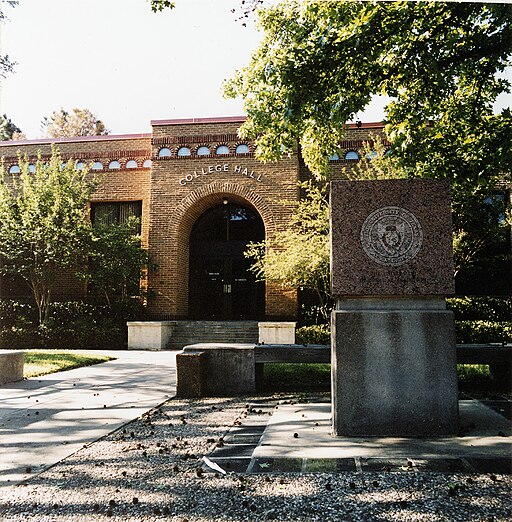
The University of Texas at Arlington (UTA) has committed to expanding its campus with a 51-acre purchase to develop UTA West. The UT System Board of Regents approved the campus development plan as part of a multiyear project to bridge the cities of Arlington and Fort Worth, serving more than 10,000 students. Construction is expected to begin in 2026.
University leaders expect the new campus to broaden educational opportunities, access and affordability for Fort Worth's rapidly growing population.
UTA West will be the System’s latest expansion, built on decades of growth. The UT System established the UTA Research Institute (UTARI) in 1986 to advance research in advanced controls and sensors, airborne computing networks, intelligent systems, biomedical technologies and predictive performance.
In 2007, the System created the UTA Fort Worth Center to foster careers through academic programming. The UTA Institute of Urban Studies, founded in 2023, promotes research and public service careers in collaboration with governments, agencies and nonprofit organizations.
The new campus will provide higher education for economic and workforce development, designed to equip students with the skills and training needed to meet the region’s needs and shape a skilled workforce. The UT System anticipates classes will begin around fall 2028.
(Photo courtesy of The University of Texas at Arlington Photograph Collection.)
| |
The Gonzales Independent School District (GISD) will build a Career and Technical Education (CTE) center and an Agriculture Barn (AB) facility. The district officially accepted the designs of both projects during a special board meeting July 22, 2024. Voters approved both facilities as part of a $50.6 million bond proposition Nov. 7, 2023. Construction is expected to begin Feb. 3, 2025.
The CTE center will be a 31,660 square-foot, two-story facility featuring state-of-the-art classrooms and labs. The site’s first-floor layout includes dedicated spaces for project and welding shops alongside plant science, animal science and welding classrooms. The design includes an auto tech space, an outdoor shop area and adjoining storage, dressing and locker rooms.
The facility will include additional space for meat processing, food labs, a bistro, coolers and freezers. The building layout will support a cosmetology lab and classroom, an animal care office with storage, office space, a work room, reception area and secure vestibule. In addition, the ground floor features an indoor and outdoor mall, a plaza, restrooms, a janitor closet and an elevator leading to the second floor.
The CTE building’s second floor features a broadcast studio with an adjoining control room and booths. Other educational spaces include an AV/graphic design lab, a patient care lab and a health center. The floor also includes plenty of storage space and collaboration areas.
The 4,392-square-foot AB facility will include 10 indoor and 10 outdoor pens. The barn will feature a feed room, wash area, scalework space and rooms for electrical, mechanical and storage. The building’s exterior will include a covered walkway and a service drive leading up to the barn. The facility will have an outdoor fenced-in area for exercise and enrichment.
(Photo courtesy of Unseen Studio on Unsplash.)
|  | |
The Texas Broadband Development Office (BDO) is making $75 million available to support broadband access expansion. The Texas Broadband Pole Replacement Program will accelerate broadband deployment in rural areas by reimbursing projects that remove and replace poles in unserved regions. Applications must be submitted by Sept. 10, 2024.
Funding will only be distributed to pole replacement projects already completed and limited to covering costs incurred on or after Aug. 31, 2021. The program will exclusively award projects in unserved areas, defined as census blocks where 80% or more of the addresses have no or lack access to broadband service.
The BDO will allocate awards up to a maximum of $5 million per successful project. The program will only provide up to 50% of the eligible pole replacement costs, leaving recipients to cover the remaining through other sources. Project costs may include removing and disposing of the existing pole, buying and installing the replacement and transferring any existing facilities to the new pole. Applicants may also request awards to cover associated administrative costs from replacing poles. All submissions should include documentation as proof of administrative and project costs incurred.
Eligible participants include pole owners or broadband service providers who paid for pole replacement to accommodate an eligible broadband facility. The replacement pole must be attached to one of these facilities.
The application portal to apply for reimbursement will open Sept. 3, 2024. The BDO will issue a second Notice of Funds Availability if additional funds are available.
(Photo courtesy of Markus Spiske on Unsplash.)
| |
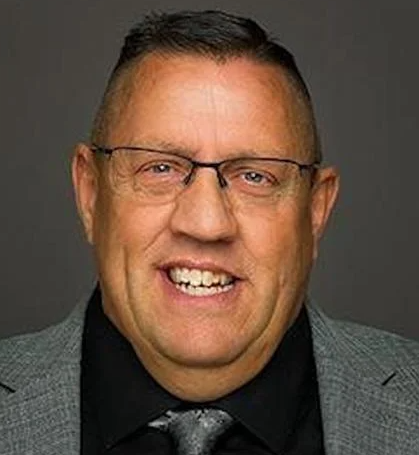
SPI welcomes back Tim Gohmann a seasoned expert in research, business intelligence, and behavioral economics. He has returned to SPI as the company’s Director of Research. Tim’s is truly a researcher extraordinaire who seeks out large challenges. He has experience in designing and then delivering research to help companies understand what government officials want to purchase and how they want it delivered. Tim is also a master at crafting plans to forecast the revenue potential for firms that sell to government and he has specific experience with equity firms when they are considering mergers and acquisitions. He is also adept at designing, executing, and reporting on all types of comprehensive research initiatives.
As an entrepreneur, Tim has founded and managed multiple research and consulting ventures, providing services to a diverse range of clients. His work includes developing cutting-edge behavioral economics tools such as MindGuide® and BrandEmbrace®, both tools for operationalizing perceived value in marketing research.
His leadership experience includes managing substantial business units, driving revenue growth, and overseeing complex projects. Tim taught Behavioral Economics at the University of Texas and developed and delivered courses on behavioral economics and data analysis.
Tim has served on advisory boards and participated in industry standard-setting organizations. His expertise is further demonstrated by his extensive publication record and his involvement in media interviews and keynote presentations on topics related to behavioral economics and research methodologies. The SPI Team is delighted to be working with him again.
With demonstrated skills in data analysis, research design, project management, and system-wide performance improvement, Tim remains dedicated to advancing knowledge and practice in his field.
| |
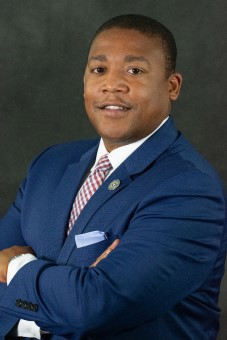
Bryan Snoody
Director of Civil Rights Division
Texas Workforce Commission
| |
Public career highlights and education: I am currently director of the Texas Workforce Commission’s Civil Rights Division. I previously held significant roles in state government, including assistant attorney general, general counsel and executive director. I earned my law degree with honors from Texas Southern University. Before attending law school, I served as an officer in the United States Air Force rising to the rank of Captain.
What I like best about my public service is: Public service is the calling to put the best interests of our fellow citizens at the intersection of our highest and greatest talents.
The best advice I've received: “You have to be more in love with your customer’s problems than you are with your own solutions.” - Professor Bob Metcalf, University of Texas Engineering.
People might be interested to know that: In grade school, I played tuba and sousaphone, which spawned a love of classical music.
One thing I wish more people knew about the Texas Workforce Commission is: We’re here to help. I think that too often folks harbor the notion that the government is a big, bad, and careless entity that is out to get them or find something wrong. Nothing could be further from the truth. Most government is simply a collection of regular citizens working to make things right and help those in need.
| |
The Texas Commission on Environmental Quality (TCEQ) will provide $68 million through two programs to replace or repower older locomotives, vessels and equipment. Applications are due Oct. 29, 2024.
The grants come from the Emissions Reduction Incentive Grants (ERIG) program and Texas Volkswagen Environmental Mitigation Program (TxVEMP). Both initiatives will help reduce greenhouse gas (GHG) emission rates in nonattainment areas across Texas. TCEQ will prioritize projects with the lowest cost per ton (CPT) to reduce NOx emissions by the highest amounts. All replacements must produce at least 25% less emissions than the older models and equipment.
Eligible applicants include individuals, state and local governments, corporations or any other legal entity. The ERIG program will allocate $55 million for projects that repower or replace older locomotives, marine vessels, stationary equipment or non-road equipment with updated options. Recipients may receive up to 80% of the project’s cost.
Eligible projects will include replacing vehicles, vessels and equipment that are powered by internal combustion devices with 25 horsepower or greater. Applicants must currently own and operate the machinery for at least the past two years. All vehicles and equipment must function with at least five years of life remaining. Awards may cover up to 80% of the replacement or repowering project.
TxVEMP will distribute $13 million through the Ferry, Tug and Switcher Grant Program to replace or repower freight switcher locomotives and repower ferry and tug marine vessels. Eligible ferries and tugs for repowering must have been continuously used in routine operations for the last two years with at least five years of useful life remaining. Vessels must have an unregulated, Tier 1 or Tier 2 marine engine.
Replacing or repowering freight switchers has identical requirements, with the exception that locomotives must operate more than 1,000 hours per year. Applicants with government-owned equipment may receive up to 100% coverage for eligible projects. Projects with non-government-owned equipment may receive up to 75%.
TCEQ may provide additional funding to support on-site electric charging infrastructure installation for both programs. The charging infrastructure will provide alternative fuels, including:
- Electricity.
- Hydrogen.
- Compressed natural gas (CNG).
- Liquefied natural gas (LNG).
- Propane.
- Methanol.
ERIG is a part of the TCEQ’s Texas Emissions Reduction Program (TERP), which improves the state’s air quality by replacing outdated machinery with clean technology upgrades. TERP has allocated more than $1.4 billion to reduce NOx emissions since 2001. Applicants can submit requests for both programs via mail, email or TCEQ’s third-party site.
(Photo courtesy of Nighthawk Shoots on Unsplash.)
| |
The Federal Aviation Administration has loosened drone restrictions for two Dallas-area delivery companies, potentially expanding the ability of package delivery companies across the United States to use unmanned aircraft.
Zipline International and Wing Aviation — which operate in the Dallas area and deliver by drone for Walmart — were granted authorization from the FAA to operate in a shared airspace and deliver packages while keeping their drones safely apart.
Click here to learn about drone innovation in Dallas
(Photo courtesy of HadasBandel.)
| |
The Houston Health Department (HHD) has received $20 million from the Environmental Protection Agency (EPA) to support climate and energy resilience in underserved Houston communities.
The funds are a culmination of two previous EPA grants from the Community Change Grant Program. HHD received the funds to help remediate decades of contamination in Greater Fifth Ward and Kashmere Gardens communities from a nearby Union Pacific Railroad (UPRR) site.
The grants will allow HHD, in collaboration with partner organizations, to develop a free solar workforce development program. The initiative will help prepare and train residents for solar installation. The city of Houston supports the program as part of its plan to create and maintain a community solar farm to help provide clean, affordable power to low- to moderate-income residents.
In addition, HHD will provide paid internships to help residents gain experience for job placements within their neighborhoods for solar deployment. The funds will help the agency establish a community solar hub that will provide supplementary power during extreme weather. Other plans include improving a flood alert system, creating a neighborhood resilience plan, advancing efforts to prevent illegal dumping and planting trees to mitigate flooding, heat and pollution.
The solar infrastructure supported through HHD’s community initiatives will enhance climate resilience for communities in need across the city. With the EPA’s support, HHD will install solar panels to provide clean energy, reduce carbon emissions, avoid power losses during disasters and provide reduced energy plans through an energy rebate program.
(Photo courtesy of Bill Mead on Unsplash.)
|  | |
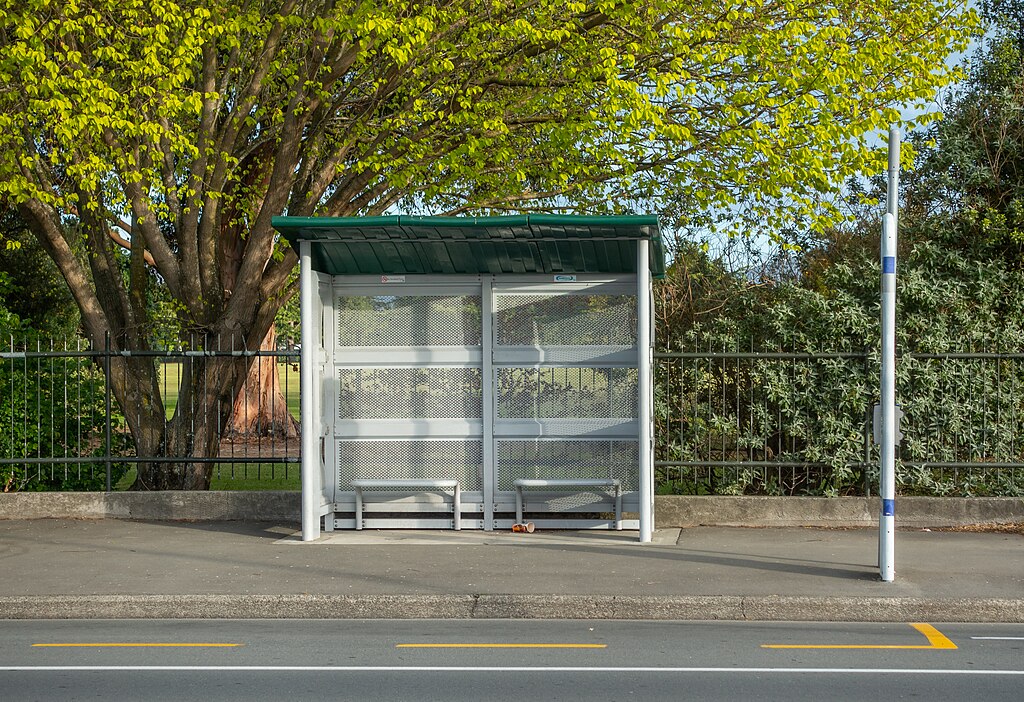
Dallas Area Rapid Transit (DART) has launched a pilot program showcasing the next generation of bus shelters.
The transit agency recently installed prototypes for a new kind of bus shelter at five locations across four cities. Traditional bus stops either lack or have insufficient amenities to protect residents from the elements while waiting for public transit. The prototypes boast innovative designs to increase ridership protection, comfort and accessibility.
The prototypes come in three varieties: standard-width, slim-width and mini. Each shelter will provide coverage from elements with additional seating. The stops will include enhanced lighting for visibility and safety and a digital passenger information display to keep riders updated with real-time information on bus arrival schedules, routes, delays and arrivals.
DART began designing the prototypes in 2023, surveying bus riders about key amenities they would look for in an improved bus stop. The agency made sure to address the top concerns – protection from elements, improved lighting and real-time bus information – in the pilot. University of Texas at Austin students then designed concept shelters for DART to later use.
The pilot will run through November to allow riders to get acquainted with the shelters.
(Photo courtesy of Michal Klajban.)
| |
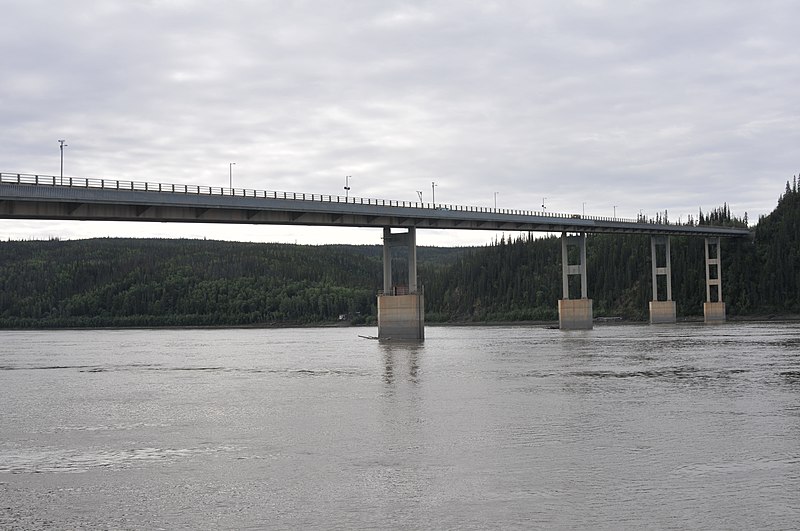
The U.S. Department of Transportation has announced more than $26.5 million in planning grants through the Federal Highway Administration’s (FHWA) competitive Bridge Investment Program established by the Bipartisan Infrastructure Law (BIL).
These grants, covering 28 projects across 18 states, will help determine a roadmap for future bridge construction projects to improve safety and economic opportunities while also increasing the resilience of highway infrastructure in the face of climate change.
Click here to learn more about the bridge planning awards
(Photo courtesy of Manuel Velazquez.)
| |  |
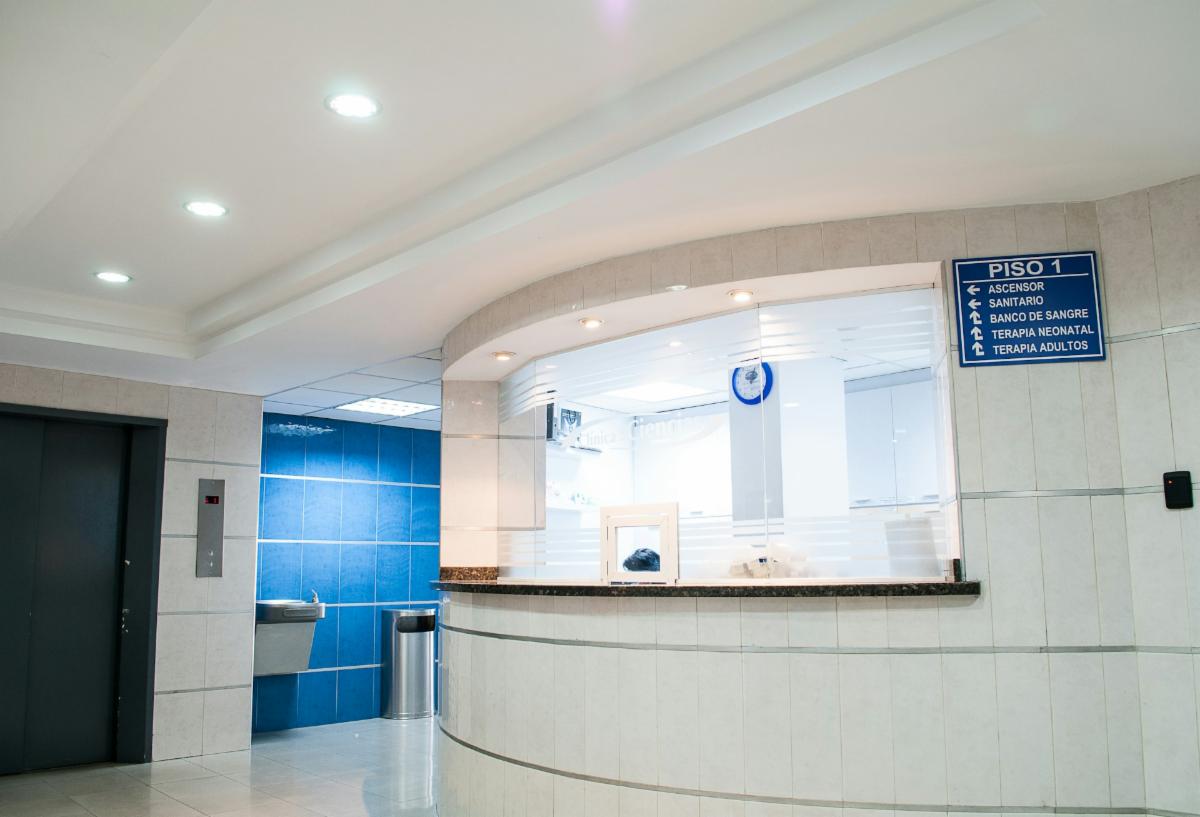 | |
There has been a growing mental health crisis over the past several years in Texas, particularly among the state’s teens and children. To meet that challenge, the Texas Health and Human Services Commission (HHSC) will build seven psychiatric hospitals to better serve, treat and support patients throughout the state. State lawmakers approved $1.5 billion for the centers last year.
The funds will help build out modern mental health facilities across the state. The projects receiving funding are in various stages of planning and design. HHSC expects to start construction on several in late 2024.
Terrell State Hospital has the largest budget, totaling $573 million. The hospital will replace the existing 139-year-old facility, which currently does not have the space or capability to meet patients' needs. The replacement hospital will have 250 beds and will include therapeutic spaces, separate spaces for adult and minor patients and upgraded maximum-security measures to protect patients.
The North Texas State Hospital in Wichita Falls will cost $452 million to build. The 200-bed facility will feature 24 maximum-security, 136 non-maximum-security, 24 adolescent and 16 civil beds. Plans include implementing similar features to Terrell State Hospital.
HHSC will spend $159 million to build the Panhandle State Hospital in Amarillo. The hospital will have 75 beds: 50 forensic and 25 civil. The three-story facility will incorporate outdoor spaces, individual patient rooms and emphasize natural light to help rehabilitate and heal patients.
The agency will use $121 million to build the Lubbock Psychiatric Center. Plans for the 50-bed maximum-security facility follow a similar design to the Panhandle State Hospital, emphasizing natural light to promote patient health. HHSC will incorporate extensive security measures, including perimeter fencing, video surveillance, alarms and electronic monitors to promote safety.
HHSC will use $120 million to expand the Rio Grande State Center in Harlingen. The project centers around adding a 50-bed maximum-security unit to the existing hospital. The addition will have similar features to the Lubbock Psychiatric Center.
Plans include spending $50 million to expand the El Paso Psychiatric Center with an additional 50-bed maximum security unit. The remaining $15 million will go toward renovating the San Antonio State Hospital to add 40 maximum-security beds.
(Photo courtesy of Martha Dominguez de Gouveia on Unsplash.)
|  | |
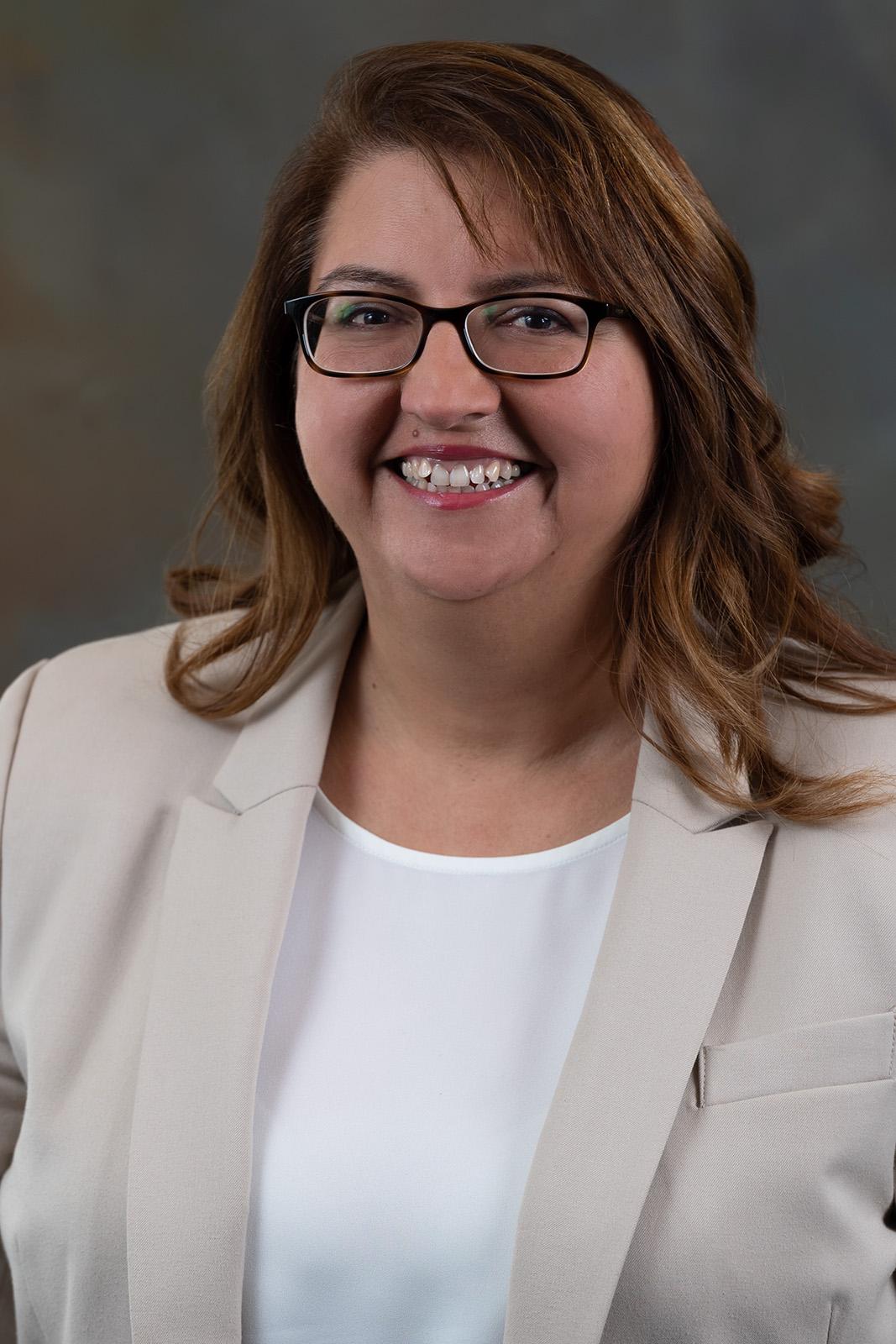
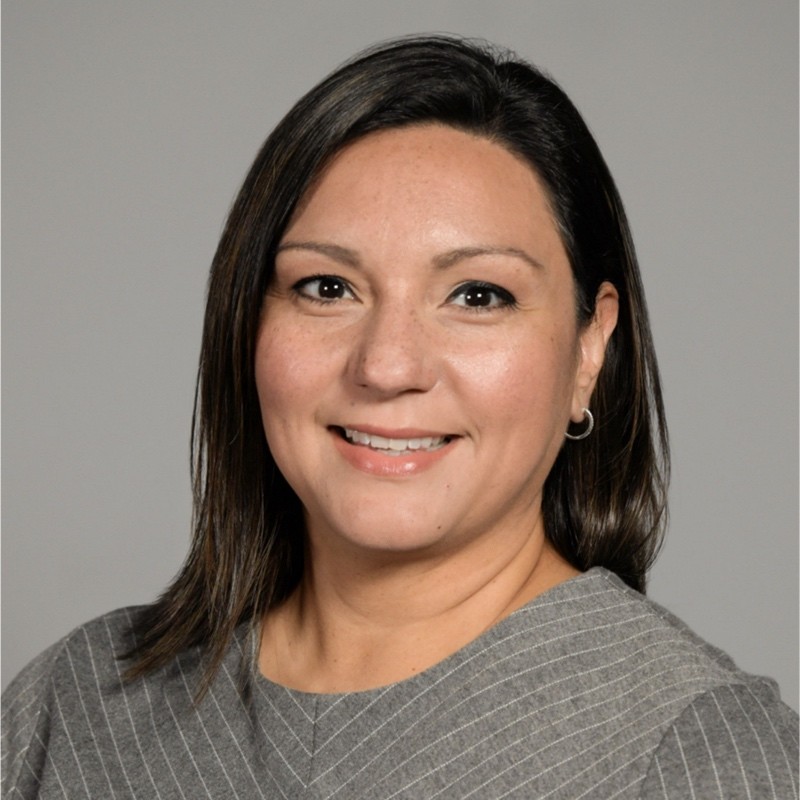
Sylvia Hernandez Kauffman will rejoin the Texas Health and Human Services Commission (HHSC) as chief information officer (CIO). Kauffman was the agency’s inspector general for five years, the last government role she held before launching her own consulting company.
Kauffman’s career in government spans 26 years, starting as an intern with the Washington, D.C., Office of Management and Budget. She later moved to Massachusetts, where she specialized as a senior IT policy analyst and later as the project manager for the state’s IT Division.
Kauffman left Massachusetts to take up a leadership role with the state of Texas’ Office of the Attorney General as chief technology officer (CTO). She served in various positions within the office, including director of the Office of e-Health Coordination, deputy inspector general for data and technology and principal deputy inspector general for HHSC.
She will officially begin her tenure as CIO for HHSC on Aug. 15. As CIO, Kauffman will direct the agency’s IT vision and strategy. She will lead the department’s efforts to maintain HHSC’s IT systems and advance policies to support agency goals and programs.
|  | |
The U.S. Department of Energy (DOE) has announced a $2.2 billion investment in the electrical grid for eight projects across 18 states to address skyrocketing datacenter demands, shore up resilience in the face of extreme weather caused by climate change and lower prices for industry and consumers.
Funded by the Bipartisan Infrastructure Law’s Grid Resilience and Innovation Partnerships (GRIP) Program, these projects will spur nearly $10 billion in public and private investment to deliver reliable, affordable, clean energy. New transmission infrastructure and technology upgrades to the existing grid are key to the program’s success, but it will also add nearly 13 gigawatts (GW) of grid capacity, including 4.8 GW of offshore wind and upgrade more than 1,000 miles of transmission lines.
Click here to learn about the DOE’s historic investment in the nation’s electrical grid
(Photo courtesy of USDAgov.)
|  | |
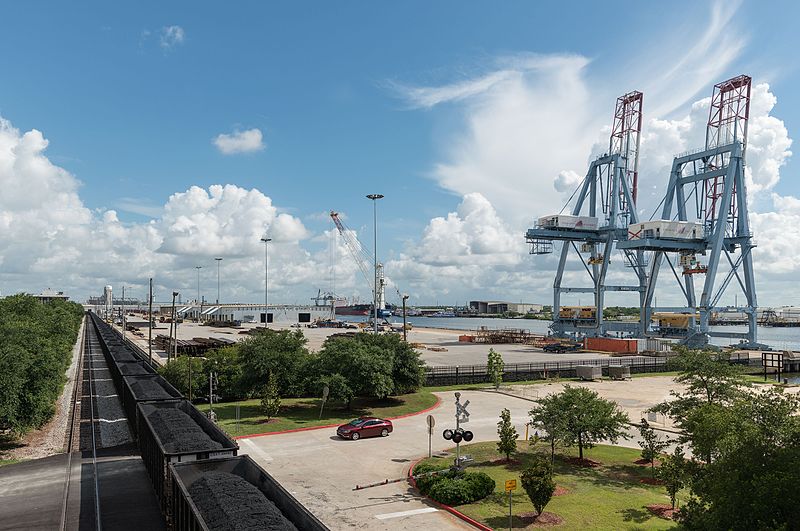
The nearly 20-year absence of an Amtrak line on the Gulf Coast connecting New Orleans, Louisiana to Mobile, Alabama, is poised to end following action taken Tuesday by the Mobile City Council.
The council voted 6-0 with one council member absent to fund passenger train service for three years.
Completion of the line would mark the first time Amtrak has had service in Louisiana, Mississippi and Alabama since Hurricane Katrina in 2005. Funding for the line had previously been approved in Mississippi and Louisiana.
Click here to learn more about Amtrak's return to the Gulf Coast
(Photo courtesy of DXR.)
| |
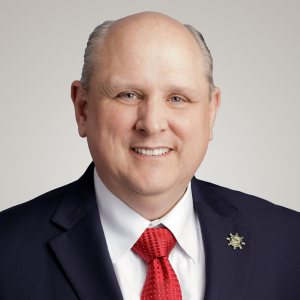
On Aug. 7, the Brownsville Navigation District Board of Directors unanimously approved William Dietrich to lead the port of Brownsville as port director and CEO. Dietrich has served as interim port director and CEO since December 2023. He will be the ninth director and CEO in the port’s history.
| |
The Texas Association of Counties (TAC) has appointed Stephanie Moreno as associate executive director. Moreno most recently served as the organization’s judicial education program manager. She brings more than 13 years of law and executive leadership experience to the role. She will begin her tenure July 29, 2024.
| |
Cynthia Kilpatrick, Ph.D., will take over as director of the Center of Teaching and Learning at Stephen F. Austin State University. Dr. Kilpatrick most recently served as interim director of the English Language Institute at The University of Texas at Arlington. She brings more than 27 years of educational experience to the role.
| |
Richard Wright is the lone finalist for the Louise ISD superintendent position. Wright currently serves as superintendent of Agua Dulce ISD. More than two decades ago, Wright was principal at Louise High School. The Louise ISD Board of Trustees will finalize Wright’s contract after a 21-day waiting period.
|  | |
Gov. Greg Abbott announced these appointments and reappointments from Aug. 2 through Aug. 8:
Private Sector Advisory Council
Chris Hogan - Angleton
Gary Scheibe - Cypress
Texas State Board Of Examiners Of Professional Counselors
Sean Shahkarami - Haslet
Pediatric Acute-Onset Neuropsychiatric Syndrome Advisory Council
Elizabeth Miller, Ph.D. - Houston
Martha Shoultz - Dallas
Barry Smeltzer - Boerne
Melissa Smith - Bushland
Brandon Brock, D.N.P. - Sunnyvale
Kara Chasteen - Bertram
Sarah Garrett - Spicewood
Suzanne Gazda, M.D. - San Antonio
Qazi Javed, M.D. - Cedar Park
Paula Kruppstadt, M.D. - Shenandoah
Amy Offutt, M.D. - Marble Falls
Nathan Pullen - Austin
Aerospace And Aviation Advisory Committee
Sonja Clark - Amarillo
Summer Webb - Valentine
Kevin Cox - Southlake
Robin Donnelly - Midland
John D. Guevara - Harlingen
Arturo Machuca - Friendswood
George S. Moussa - Dallas
John Mulholland - Missouri City
Shelly deZevallos, Ed.D. - Houston
Motor Vehicle Crime Prevention Authority
Thomas “Tom” Sloan - Leander
Scott Jackson - San Antonio
|  | |
Texas Government Insider is a free weekly newsletter detailing important happenings throughout the state and summarizing current political issues relevant to individuals interested in government.
Publisher: Mary Scott Nabers
Editors:
Adam Rollins
Dave Doolittle
| | |
| |
| |
|
|
Check out our
social media links!
|
|
Help us share this message.
To ensure delivery and proper formatting of the newsletter, be sure to add editor@spartnerships.com to your safe senders list. Otherwise, the newsletter may be flagged as spam and automatically routed to your junk e-mail folder.
| | | | |