|
Last week, the federal All-Stations Accessibility Program announced its third round of funding awards and another $343 million for transit infrastructure projects, and much-needed support will soon flow to upcoming transit projects. Specifically, the revenue will focus on projects that increase accessibility, but the contracting opportunities will call for much more than just construction.
This particular program, which Congress created through the Bipartisan Infrastructure Act, has now awarded over $1.37 billion since 2022 and still has millions left for future projects between 2025 and 2026. The program was initially awarded $1.7 billion for projects to enhance the country’s public transit infrastructure.
Other federal sources are also providing funding for transit station projects. The American Rescue Plan Act (ARPA) included $30 billion for transit projects. In 2023 alone, Congressionally Directed Spending (also called earmarks) approved another $360 million for specific transit projects in various states. More earmark allocations will provide funding for 2024-2025 projects. With America's current growth and projected future growth, public transportation needs increase each year.
The Metropolitan Transportation Authority (MTA) in New York City received the most significant award in the third round of funding from the All-Stations Accessibility Program. Officials are now prioritizing projects from a list of planned projects at 70 stations. This particular plan lists upcoming projects that represent more than $5 billion.
A $156 million award will support accessibility upgrade projects at five New York stations. When completed, each station will fully comply with requirements established in the Americans with Disabilities Act (ADA), and the projects will include many other components. Included will be work to install new elevators, update and expand existing platforms, add platform edge warning strips, make stairway repairs, improve signage and enhance visual and audio announcement systems.
In New Jersey, transit officials are still working through a large transit station capital plan with a cumulative cost estimate of $814 million. The Authority was awarded $83.3 million, and officials will soon launch another project as the authority continues to improve the historic Brick Church Station in East Orange, New Jersey. This project will be designed to bring the station into compliance with ADA laws and include many additional upgrades and enhancements. Two new elevators will be added, and extensive backup generators will be installed to ensure there is never a break in services. New platforms will be added, and older ones will be upgraded. A pedestrian tunnel will be renovated, staircases will be upgraded, and the historic interior of the structure will be restored and redecorated.
Click here for more
|  | |
The city of Austin will spend $174.8 million to install a wastewater interceptor, a transmission line and improve a dewatering facility. All projects are in the design phase.
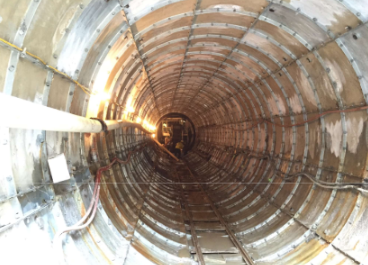
Austin will spend $105.2 million to complete the Williamson Creek Wastewater Interceptor project. The existing pipes are nearly at capacity and in poor condition. Plans include installing approximately 19,000 feet of a 72-inch diameter gravity interceptor pipeline. The project will increase wastewater capacity and reduce the risk of future sanitary sewer overflows.
The project will also replace multiple local wastewater pipelines. The replacement pipelines will divert and reconnect wastewater flows to the new interceptor. The city will place the interceptor approximately 40-60 feet underground. Construction is expected to begin in spring 2025.
The city will use $43 million to install the McNeil Drive Water Transmission Main. The project will connect the Austin Water Jollyville Reservoir to the downstream connecting point with 8,500 linear feet of a 72-inch diameter pipeline. The city will repurpose the current line to serve another area after it finishes installing the replacement line. Construction is anticipated to begin in spring 2025.
Austin will use $26.6 million to improve the Hornsby Bend Dewatering Facility and East Stormwater Station. The facility has excessive corrosion due to caustic air. Plans include replacing the roof, HVAC system and electrical system. Construction is estimated to begin in winter 2024.
(Photo courtesy of the city of Austin.)
| |
The Texas Department of Licensing and Regulation (TDLR) appointed Courtney Arbour executive director, effective June 3. Arbour is the first woman in nearly 30 years to lead the agency. She replaced Interim Executive Director Brian Francis as the permanent director.
After leaving her position as project director for a private workforce solution development company in 2012, she joined TWC as deputy director of contracts and operations. She was later promoted to workforce development director in September 2016. She held that role until she joined TDLR.
In addition to her previous director roles, Arbor was appointed to the Task Force for Consolidation of Workforce and Social Services earlier this year. She is also current vice chair of the National Association of State Workforce Agencies Employment and Training Committee and has represented TWC on the Texas Human Trafficking Prevention Coordinating Council.
|  | |
The Texas General Land Office (GLO) will provide $68.3 million to support three erosion repair projects in Fort Bend County and the cities of Sugar Land and Simonton.
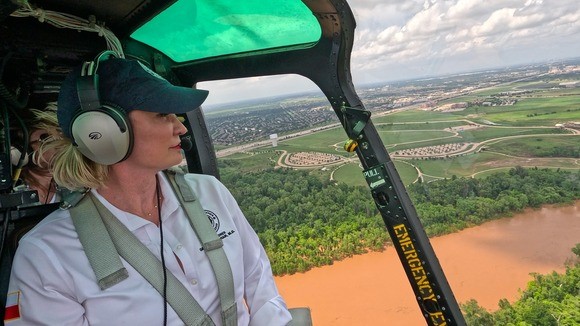
The projects will improve erosion resistance and repair damage along the Brazos River. River erosion currently threatens critical evacuation routes for residents in the Galveston and Brazoria counties.
Sugar Land will receive a pair of awards for two erosion repair projects. The awards – totaling $42.5 million – will support the Fort Bend County Evacuation Route and Erosion Repair Project. The city will protect local area bridges by repairing and remediating riverbank erosion in upstream and downstream areas.
As part of the bridge protection project, the city will clear, grub, excavate, stockpile, backfill and dispose of materials offsite. Sugar Land will help stabilize the riverbank by installing stones and seeding the area. All plans will align with the Stormwater Pollution Prevention Plan to protect the region from future storms.
The Houston-Galveston Area Council (H-GAC) will collaborate with Fort Bend County and the city of Simonton to spend $25.8 million on the Simonton Pinch Point Project. H-GAC will protect the banks of the Brazos River from erosion in two locations. As part of the project, H-GAC will clear, grub, excavate, stockpile, backfill and dispose materials offsite. Plans also include installing stone and seeding the area.
(Photo courtesy of GLO.)
| |
Texas will receive $31.5 million to buy fleets of clean, electric-powered school buses. The buses will accelerate Texas school districts’ transition to zero-emission vehicles, reduce greenhouse gas emissions around schools and communities and protect public health.
The funds come from the Environmental Protection Agency’s (EPA) 2023 Clean School Bus Program. The program will distribute $900 million to 530 school districts across the nation to help remove older, diesel-fueled buses from the road. The recipients will use the awards to buy more than 3,400 clean vehicles, 92% of which will be fully electric.
The EPA will support 20 Texas school districts, which will buy 123 new and clean school buses to replace existing diesel-fueled vehicles. The diesel buses have been linked to asthma and other health conditions that harm students and surrounding communities. In addition, the investment will help drive demand for American-made batteries and vehicles.
This is the third round of funding through the Clean School Bus Program, building on previous investments totaling nearly $2 billion. Previously, the EPA made $500 million available for Clean School Bus rebates in September 2023. The agency later doubled that amount to nearly $1 billion due to high demand from low-income communities, Tribal nations and U.S. territories.
The EPA will continue to review selected applications and could make additional awards through this and other programs, including the 2024 Clean Heavy-Duty Vehicles Grant program.
Applications will remain open through July 25, 2024. The EPA will award up to $932 million. Approximately 70% of the available funding will help pay for new zero-emission school buses, the EPA said.
(Photo courtesy of Austin Pacheco on Unsplash.)
| |
Lonnie Hunt
Executive Director
Deep East Texas Council of Governments (DETCOG)
| |
Public career highlights and education: I had a 30-year career as a radio broadcaster, and my public service included 11 years on the Crockett School Board and board member and chair of the Crockett Area Chamber of Commerce. I was elected County Judge of Houston County in 2006 and re-elected in 2010. From 2011 to 2016 I served as County Relations Officer for the Texas Association of Counties. Since July of 2016 I have served as executive director of the Deep East Texas Council of Governments.
What I like best about my public service: The greatest satisfaction about public service is knowing you are making a difference. It really hit home after our county was severely impacted by Hurricane Ike in 2008. We sometimes take for granted the services local governments provide, but when a major disaster strikes, it highlights the importance of what we do for the citizens we serve.
The best advice I ever received: Don’t do anything because somebody else wants you to. When there are tough decisions to be made and everyone is not on the same page, listen to each side, carefully consider the options, pray about it, then do what you believe in your heart is right.
People might be interested to know that: I have sung to sold-out audiences at both Carnegie Hall and the Kennedy Center. I was a member of the backup choir for a Big Daddy Weave concert at Carnegie Hall and a Michael W. Smith concert at the Kennedy Center.
One thing I wish more people knew about the Deep East Texas Council of Governments: Councils of Government (or Regional Planning Commissions as defined in state statutes) are not just another layer of government. We have no taxing authority and no ordinance-making authority. We are an organization of, by and for the local governments of the region, and we make government more efficient.
|  | |
The Texas General Land Office (GLO) will invest $31.8 million to improve communications, streets, drainage and sewer systems across five cities and four counties.
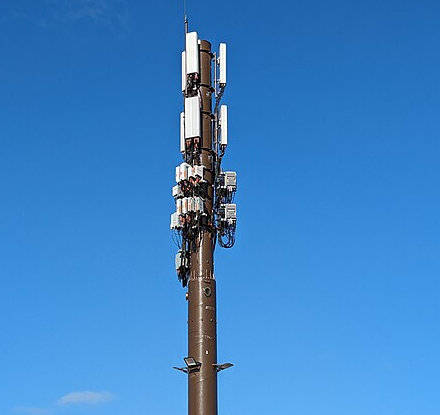
The Deep East Texas Council of Governments will receive $11 million to expand broadband infrastructure availability and increase access and adoption of broadband services. As part of the project, the council will form tower leases and install fiber optic cables, microwave links, base stations, edge equipment, cabinets and tower attachments. Plans also include installing radio frequency antenna systems, communications consoles and related accessories.
The city of Conroe will use $7.6 million to replace gravity main sewer lines. To increase the city’s capacity flow, plans also include removing and replacing culverts and manholes, dewater wellpoints and pumps. The city will restore the street surface and install additional appurtenances.
Colorado County will spend $5.3 million to improve communications, water systems and power across the county. The county will start by building a communication tower. The project will include an equipment building, fencing, solar panels, access drive and other appurtenances. Other plans include installing generators, water lines, blast and recoat water supply tanks, wells and pressure storage tanks. The county will also replace sewer pipes and install sludge pumps, ground storage tanks and pipe electrical service.
The city of La Grange will receive $4.6 million to build a storm sewer system and improve drainage. The project will include building and upgrading a drainage channel and outfall, expanding and lining a drainage ditch, building a basin and installing junction boxes and inlets. In addition, the county will relocate utilities and repair pavement, curbs and gutters.
The funds come from the Regional Mitigation Program, an initiative enabling Councils of Government to distribute Community Development Block Grant – Mitigation (CDBG-MIT) funds to eligible, local entities. The program received $1.17 billion from the U.S. Department of Housing and Urban Development (HUD) to mitigate risks from hurricanes, tropical storms and depressions, flooding, wind and other hazards.
(Photo courtesy of Sikander.)
| |
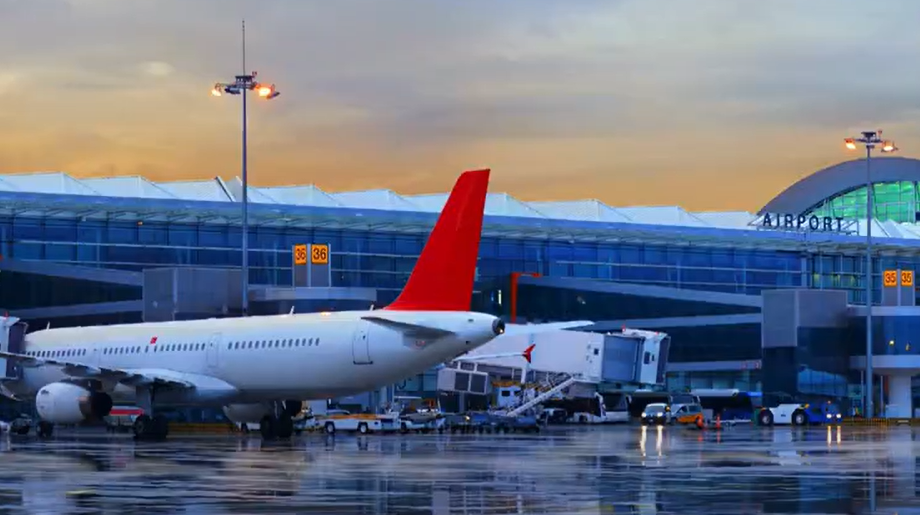
The Federal Aviation Administration (FAA) released grants totaling $186.7 million for airports in 34 states. The money comes from the Airport Infrastructure Grants (AIG) program as a part of the Bipartisan Infrastructure Law (BIL).
Grants will help make improvements to the airports’ terminals, baggage systems, safety systems and other infrastructure upgrades.
Click here for more information about airport modernization
|  | |
New York Gov. Kathy Hochul has directed the Metropolitan Transportation Authority (MTA) to “indefinitely pause” a plan that would charge drivers to enter Midtown or Lower Manhattan. The plan known as congestion pricing would have charged most drivers up to $15 to enter the area. It was set to take effect June 30.
The congestion pricing plan was intended to reduce traffic in one of the most gridlocked parts of New York City and improve air quality while providing a new revenue source for repairs to the city’s public transportation systems. The MTA estimated congestion pricing would result in 100,000 fewer drivers entering the area each day. The fees were expected to generate $15 billion for improvements to public transit.
Click here to learn more about congestion pricing
(Photo courtesy of Aaron Sebastian on Unsplash.)
| |  |
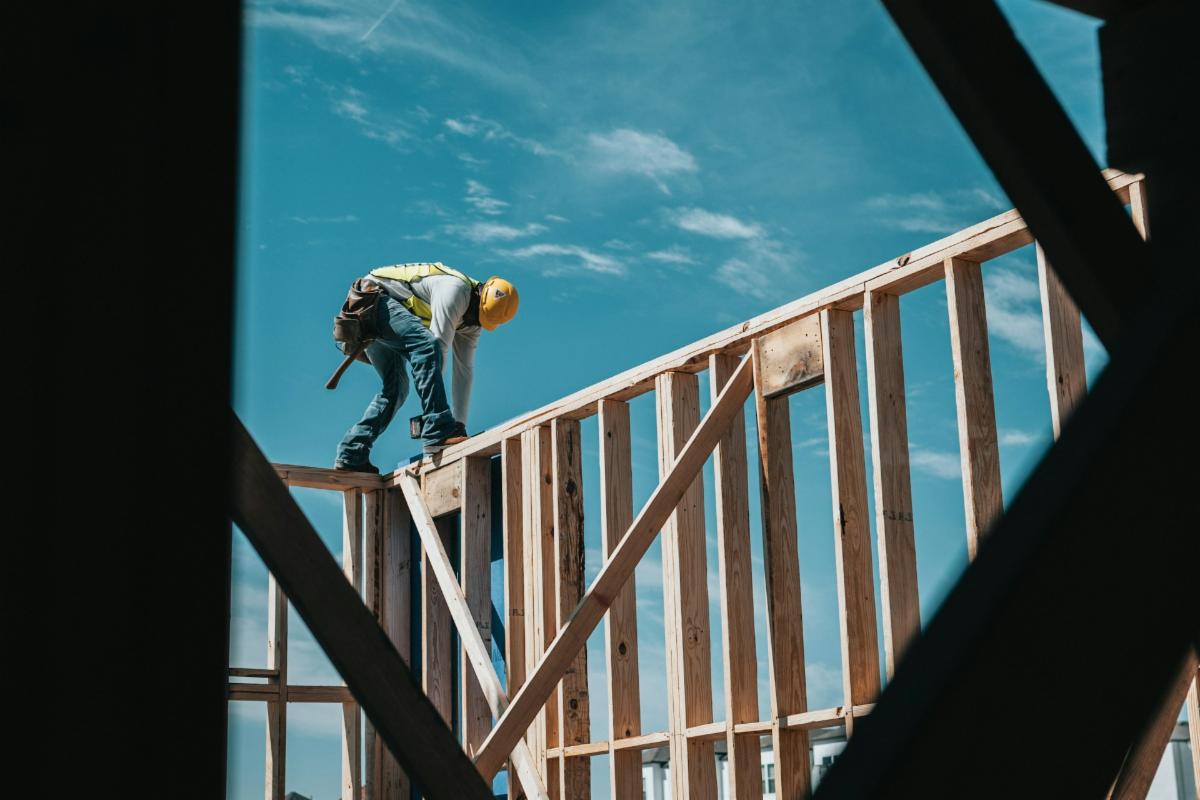 | |
A 13,000-acre mixed-use development is in the works just outside of Laredo. The project, called Talise, will have housing, retail and industrial space, as well as a regional airport. It will cost $7.4 billion, and its development will span over the next 30 years.
The development will feature nearly 11,000 homes along with schools and parks. A variety of options will be available, including single-family and multi-family rental units, and lots for private development.
Laredo had the busiest U.S. port last year, according to the U.S. Census Bureau. The industrial segment of Talise will continue to support international trade in the city through projects like the Township Logistics Park.The 268-acre park is planned to have up to 3.8 million square feet of warehouse space, including 600,000 square feet of cold storage. This is especially ideal for the border city to facilitate food trade with Mexico, the United States' largest agriculture partner.
Although the timeline for the project spans decades, Talise has already broken ground. Homes could be available for the public as early as next spring, and industrial projects are planned to have a Phase 1 buildout completed by the third quarter of 2025. A lead developer has already been selected, but it will also utilize subcontractors throughout construction.
(Photo courtesy of Josh Olalde on Unsplash.)
|  | 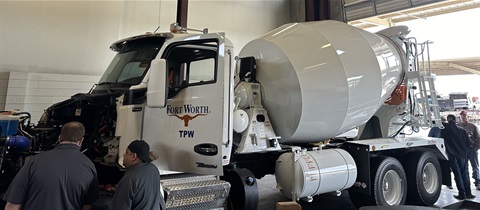 | |
The city of Fort Worth’s Fleet Division will deploy a new line of fleet vocational trucks designed to improve city department operations. The fleet will feature innovative technologies to enhance fleet sustainability, efficiency and safety, including hybrid electric vehicles (EV) and equipment.
The Fleet Division has been exploring new options to optimize fleet performance, collaborating with vendors to determine which EVs will provide the most long-term benefits for the city. After participating in a January showcase for EV products, the Fleet Division began working on a mixer for Transportation and Public Works.
Once complete, the mixer will incorporate cutting-edge innovations that will increase vehicle efficiency, sustainability and operator comfort. The mixer will have an integrated dash display for quick function analysis and fully automated service reporting. While the vehicle doesn’t have collision avoidance technology yet, the mixer does include first phase testing of a body design that can support it.
The city has several meetings and demonstrations planned in 2025 before fully integrating hybrid technology and other innovations into its vocational fleet. The Fleet Division plans to expand into other emerging technologies, including operator safety systems, lane assistance, integrated geo-fencing and operator safety control systems that monitor usage, access and alerts.
(Photo courtesy of the city of Fort Worth.)
|  | 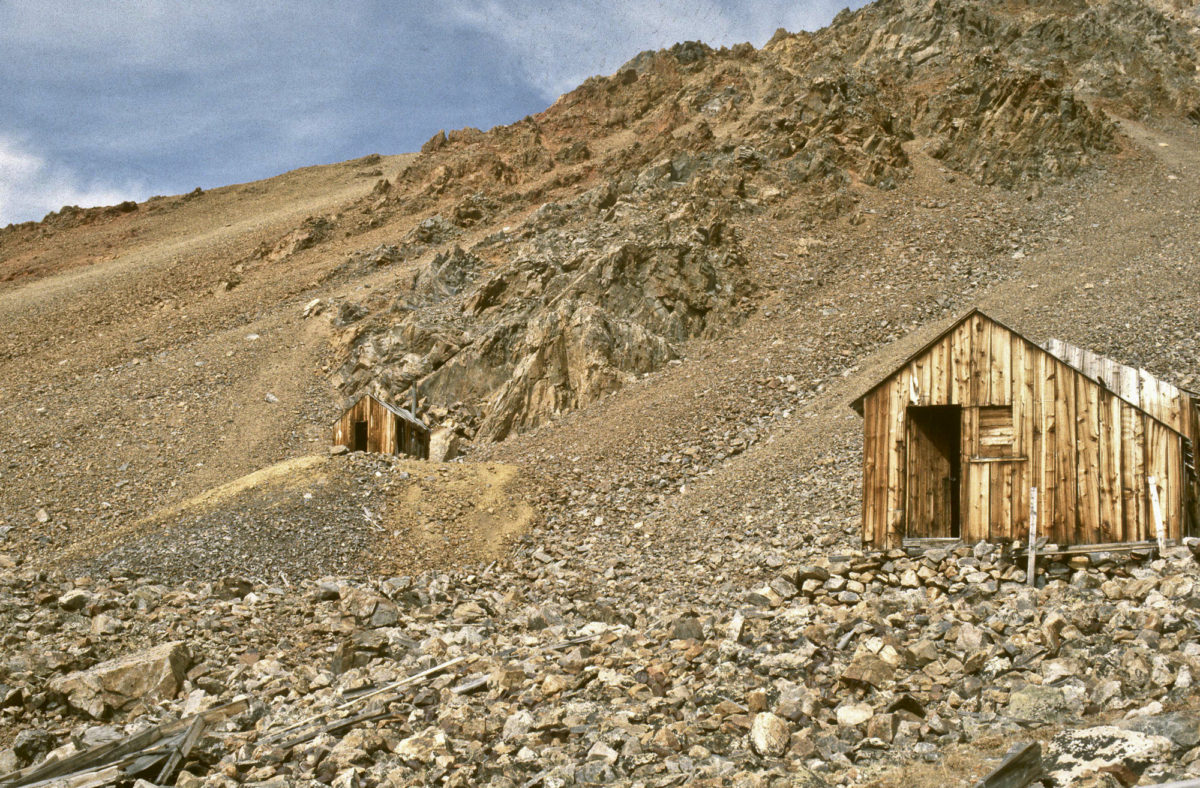 | |
Nearly $725 million is now available to 22 states and the Navajo Nation for reclaiming abandoned mine lands (AML), the U.S. Department of the Interior announced.
This is the third allocation from the $11.3 billion in AML funding provided by the Bipartisan Infrastructure Law (BIL), which supports communities in cleaning up hazardous environmental conditions and pollution from past coal mining activities.
Click here for more information about abandoned mine remediation grant opportunities
(Photo courtesy of the Colorado Geological Survey.)
|  | |
The U.S. Department of Energy (DOE) announced a Notice of Intent (NOI) to fund projects that advance research, development, demonstration and deployment in key areas to achieve net-zero greenhouse gas emissions in the transportation sector.
The potential funding, expected to be formalized as a Funding Opportunity Announcement (FOA) in July or August, will go toward innovations in low-cost electric vehicle (EV) battery manufacturing, using inexpensive and abundant materials to support a robust domestic supply chain and demonstrating smart-charge management, as well as reducing vehicle battery fires.
Click here to learn more about the DOE’s research funding opportunity
(Photo courtesy of the Electric Vehicle Association.)
|  | |
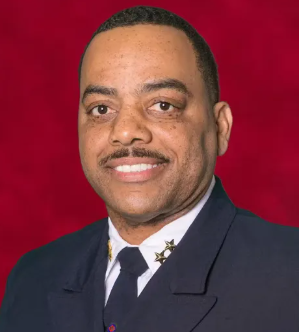
The city of Dallas created its first chief of public safety position and selected Dallas Fire-Rescue Chief Dominique Artis as its interim holder. Artis has been fire chief since 2018 and will bring more than 29 years of public safety experience to the role. He has previously served as assistant chief of the Administration Bureau, deputy chief of Special Operations and Training and captain in both Emergency Operations and the Emergency Medical Service Bureau.
| |
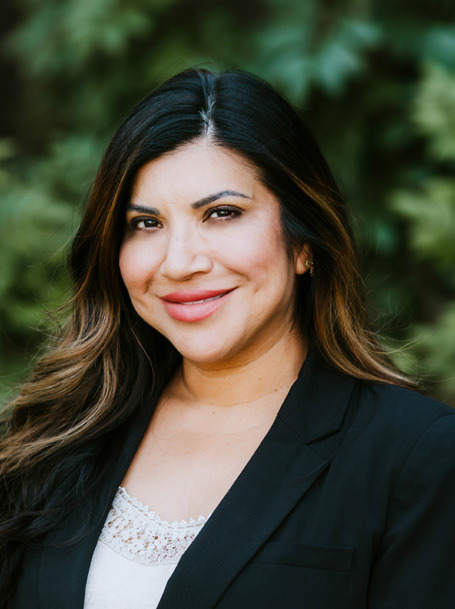
The Buda Area Chamber of Commerce has appointed Monica Davidson executive director, effective immediately. Davidson has been a member of the Buda City Council since 2020. She also serves as vice president of the Buda Economic Development Corporation and is a member of the Hays Education Foundation Board. She brings more than 25 years of business and operations development and management experience to the position.
| |
On June 4, the Tarrant County Commissioners Court unanimously approved William Brian Byrd, M.D., as director of Tarrant County Public Health. Dr. Byrd currently serves as medical director for a primary healthcare center. He previously served as a Fort Worth City Council Member from 2017 to 2021. Dr. Byrd will replace Veerinder “Vinny” Taneja in the role. He will assume his responsibilities July 1.
| |
Gov. Greg Abbott announced these appointments and reappointments from May 31 through June 6:
There are no new appointments.
| |
Texas Government Insider is a free weekly newsletter detailing important happenings throughout the state and summarizing current political issues relevant to individuals interested in government.
Publisher: Mary Scott Nabers
Editors:
Adam Rollins
Dave Doolittle
| |