|
A notice of funding opportunity (NOFO) is an announcement that allows eligible entities to know when there is an opening to submit funding applications. A NOFO not only announces the availability but also provides timelines and guidance for making funding requests. Federal programs are often designed to pass funds through state-level agencies, but not always. Local officials and private firms may apply for funding directly in some programs.
Because it is not always easy to follow NOFO alerts, this column provides information about funding opportunities that are currently available. These active funding opportunities offer a total of more than $3 billion.
A NOFO is currently open for the State Digital Equity Capacity Grant Program, which the Department of Commerce oversees. This program has $1.44 billion to allocate between now and 2026. The current NOFO is for the first round of funding, totaling $840 million.
This program was created to expand access for disadvantaged populations to digital and broadband services and technologies. The funds are for projects specifically designed for low-income households, aging populations, incarcerated people, veterans, rural inhabitants and other citizens with specific needs. There is no cost share or matching requirement for the funding. Applications from states, Washington D.C., and Puerto Rico are due on May 28, but other territories will have until July 31 to submit applications. Native entities will have a Feb. 7, 2025, deadline. Awards on a rolling basis will start no later than Aug. 28, 2024.
The Department of the Interior’s Bureau of Reclamation has an open funding opportunity to support large-scale water-reuse projects in the western states. This year’s initial investment of $180 million is the first installment of the WaterSMART program, which is designed to provide financial and technical assistance to local water agencies for the planning, design and construction of water reclamation and reuse projects.
The objective incentivizes water agencies to plan large-scale drought-resistant water projects and develop or expand limited urban irrigation water supplies. Eligible entities include state, regional, and local agencies and utility authorities in Arizona, California, Colorado, Idaho, Kansas, Montana, Nebraska, Nevada, New Mexico, North Dakota, Oklahoma, Oregon, South Dakota, Texas, Utah, Washington and Wyoming. The timeline to request funding ends Nov. 26, 2024. An earlier submittal period closed in March of this year, and those funding awards are being delivered currently.
Click here for more
| |
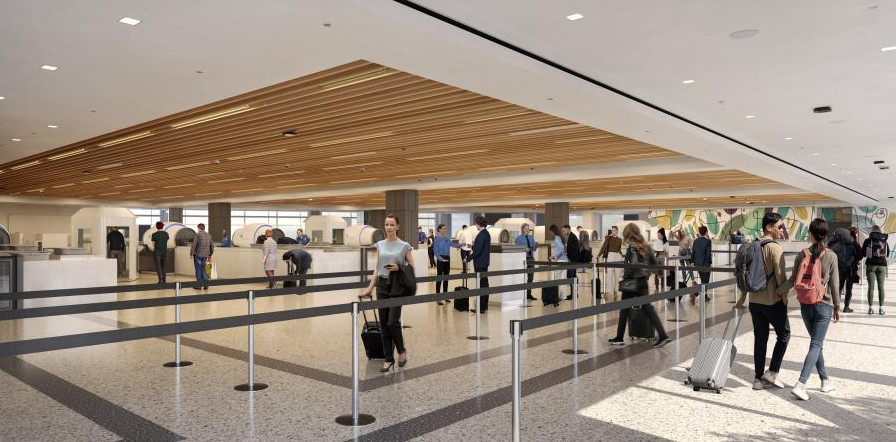
Austin-Bergstrom International Airport (AUS) is in the works to expand the capacity of Concourse B and build a multiuse tunnel connecting it to the main terminal. The deadline to apply for the project’s design RFQ is May 7.
AUS is set to receive $14.3 million in Bipartisan Infrastructure Bill (BIL) funds from the Federal Aviation Administration (FAA) for design. The FAA will deliver the money to help improve the airport's capacity to serve its passengers and stakeholders in both the short and long term.
The airport reached a record 22 million passengers in 2023 and is projected to grow to 30 million by 2027 – an increase of 36% in only four years. AUS will design the concourse to meet demands for increased gate capacity due to rising passenger activity levels.
Once finished, the concourse will include up to 20 gates, boarding bridges, concessions and clubs. It will also feature essential support areas including building aprons, taxiway connectors, drainage systems, utilities and lighting. Building Concourse B will cost between $1.1 billion and $2 billion.
The project also calls for designing and building an 840-foot passenger and utility tunnel that will cost between $200 million and $375 million. Plans include building infrastructure for a future automated people mover, baggage-handling equipment and infrastructure connections.
The airport is still collaborating with airlines to forecast passenger activity and determine the required number of gates to accommodate growth. Initially planned with at least 10 gates, the concourse’s design must be flexible enough to expand as needed.
Concourse B and the associated infrastructure are part of the ongoing Journey With AUS initiative, targeting ways to elevate the passenger experience as traveler counts continue to rise.
(Photo courtesy of the city of Austin.)
| VIA Metropolitan Transit, the regional multimodal transportation agency serving San Antonio and its surrounding areas, has hired new executive leaders to better tackle upcoming projects. The agency has recently hired three leaders to promote innovation, optimize efficiency and drive impactful projects forward. | |
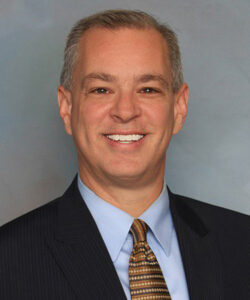
The agency hired John Clamp as chief administration officer (CAO). As CAO, Clamp will oversee the short- and long-term operations of the Fiscal, Procurement, Technology/Innovation and Human Resources divisions. He previously served as chief financial officer (CFO) for the Alamo Area Council of Governments and the San Antonio Hotel and Lodging Association. Clamp also served as a District 10 councilman for San Antonio.
| |
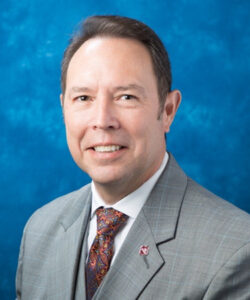
Roderick Sanchez was hired as senior vice president of planning and development. Sanchez will lead VIA’s planning and capital expansion program, overseeing major current and upcoming high-capacity transit projects. He most recently served as assistant city manager for San Antonio for seven years. He has also served as the city’s building official and director of the Development Services Department.
| |
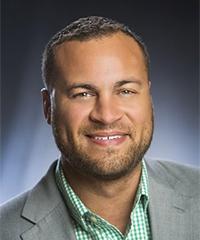
VIA selected Brian Dillard to take over the role of vice president of technology and innovation. As vice president, Dillard will preside over the agency’s Transportation Technology, Information Services, Technology Operations and Information Technology Client Services departments. He most recently served as San Antonio’s chief innovation officer.
|  | |
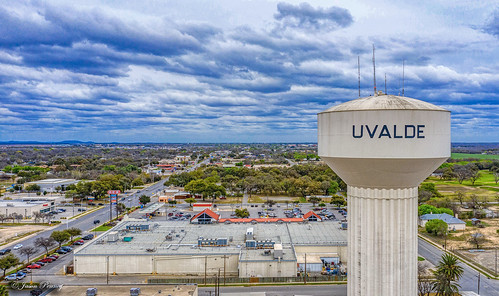
The city of Uvalde will build a $34 million behavioral health campus serving 32 counties. The campus will provide on-site care to children and adults experiencing mental health crises. Construction will begin in summer 2024.
The facility includes two buildings totaling 50,000 square feet. The campus will feature a 16-bed crisis unit for adults, including 10 crisis residential beds and six extended observation unit beds (EOU). The buildings will feature a youth wing with a 16-bed crisis unit for children and adolescents. The youth wing will include 12 crisis residential beds and four EOU beds.
The campus will prioritize crisis stabilization services to support individuals experiencing a mental health crisis. The facility will operate as a 24/7 diversion center that will accept walk-ins and drop-offs from law enforcement.
Diversion centers provide mental health treatment to criminal offenders without circulating them through the justice system. These facilities help rehabilitate residents to prevent criminal acts as an alternative to conviction and jail time.
Uvalde donated 7 acres to host the behavioral health campus. Hill Country Mental Health and Developmental Disabilities Centers will oversee construction and operate the facility.
(Photo courtesy of the city of Uvalde.)
| |
On April 24, the Houston City Council officially made Herbert Sims the permanent director of the Department of Neighborhoods (DON). Sims has served as interim director since February 2024.
As DON director, Sims will oversee five divisions to help resolve neighborhood concerns and improve quality of life. The divisions include Inspections and Public Service, Mayor’s Assistance Office, Mayor’s Office of Gang Prevention and Intervention, Office of Neighborhood Engagement and Office of New Americans and Immigrant Communities.
Sims has more than 21 years of experience working with the city of Houston, including as assistant DON director. He began his public sector career September 2001 as assistant to the deputy commissioner for passenger transport for the Texas Department of Transportation.
| |
The city of San Antonio will use $43.6 million to enhance neighborhood roadways, expand streets, install drainage systems and improve pedestrian safety. The projects are a part of the San Antonio 2022-2027 bond program. All projects are currently in the design phase, and construction is expected to be completed by 2028.
The city will use $14.6 million to enhance roadway infrastructure and drainage along Bulverde Road. The current road has extensive wear and tear, no sidewalks or curbs, faded striping and a low water crossing. Plans include expanding the two-lane road to four lanes and adding a center turn lane. The city will build a 6-foot sidewalk, 10-foot shared-use path, improve drainage and adjust utilities. Construction will begin in spring 2025.
The city will spend an additional $11.7 million to expand roads, improve multimodal connectivity and enhance the drainage system at Military Drive. The existing road only has one lane traveling in each direction, 4-foot sidewalks and an open drainage channel.
The city plans to build additional travel lanes, install an underground drainage system and upgrade traffic signals. In addition, the city will build concrete curbs, ADA ramps and wider sidewalks. Construction will begin in winter 2025.
Plans include allocating $10.2 million to improve the transit and drainage infrastructure on Babcock Road. The city will widen the road to four lanes and include a center turn lane. The city will also build additional sidewalks, curbs, driveway approaches and a pedestrian midblock crosswalk. Finally, the city will improve the street’s drainage. Construction will begin in winter 2025.
The city will leverage $7.1 million to reconstruct roadways, improve pedestrian infrastructure and increase accessibility for four streets in the Culebra Park area. The streets are in poor condition with cracks, potholes and no curbs, sidewalks or drainage systems. As part of the project, the city will fully reconstruct the roadway.
In addition to reconstruction, the city will add concrete curbs and sidewalks, ADA ramps and driveway approaches. Plans also include installing an underground drainage system and upgrading utilities. Construction will begin in summer 2026.
(Photo courtesy of Jamie Street on Unsplash.)
| |
Lindsay Mitchell
Director of Strategic Initiatives
City of Arlington
| |
Public career highlights and education: I have worked in the public sector for nearly 18 years, beginning at the North Central Texas Council of Governments as a transportation planner. I was recruited by the city of Arlington in 2008 and have been there ever since, working my way up the ranks from senior planner to director of Strategic Initiatives. Along the way I have been involved in a variety of key projects, including over 30 major executed economic development projects and 10 area and corridor strategic plans. I have a Bachelor of Arts in Art History and Architectural Studies from Rice University and a Master’s Degree in City and Regional Planning from the University of Texas at Arlington.
What I like best about my public service: I am so fortunate to have figured out very early in my career that public service is my calling – in particular, local government. Local government has the most impact on daily quality of life as well as quality of place, and it is so rewarding to be able to see the tangible positive changes taking place in the community. I also live in Arlington, so I come at things from the perspective of a citizen as well.
The best advice I've received is: Treat your support staff well – they are on the front lines and will do the hard, necessary day-to-day work that keeps things going and they deserve to be appreciated every day. If they know you have their back, they will go the extra mile for you and the organization every time.
People might be interested to know that: I love to roller skate and go to concerts – I have a very wide variety of musical taste that I think would surprise most people!
One thing I wish more people knew about my division of government is: I wish people would have a greater understanding of the value of economic development as opposed to looking at it as ‘corporate handouts.’ Economic development supports all other efforts of the city – developing a corporate tax base takes pressure off of residents to bear the full burden of city services. Economic development also provides jobs and helps to develop wealth in all forms in your community, which ensures sustainability in the long term.
|  | |
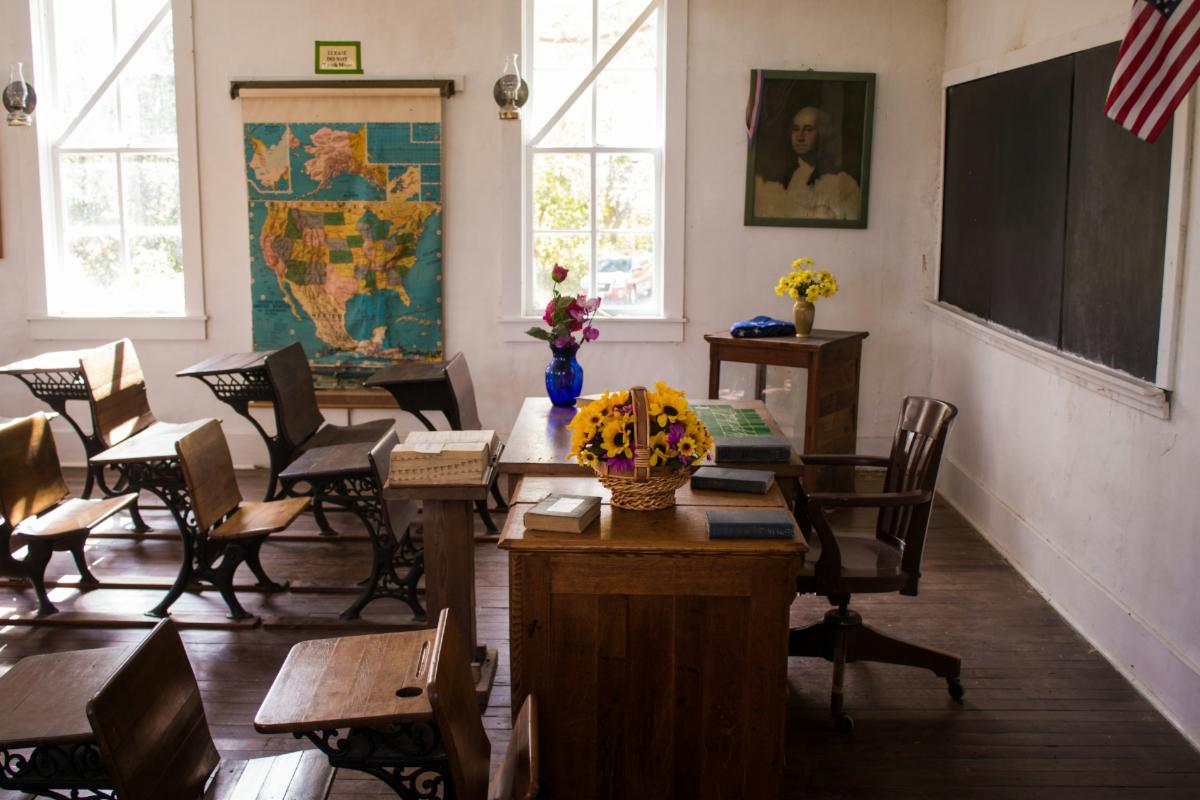
Voters in the Rivercrest Independent School District (RISD) will decide on the future of a $23 million bond to renovate and expand school facilities districtwide. Early voting will be held between April 22 and April 30. Election day will be May 4.
If approved, the district’s junior high would receive the lion’s share of the bond funds. The district would renovate the school’s auditorium to refurbish the stage floor and remove the sound booth. RISD would also install seating, a sound system, lighting and refinish the wood trim. The district would also renovate the gym’s exterior walls, floor, subfloor, bleachers, goals and repair piers.
The district would expand and renovate the school’s cafeteria and kitchen, starting with repurposing the atrium for additional seating. RISD would also refinish the cafeteria and relocate the cooler, pantry and freezer.
Plans include renovating the security entrance, upgrading school lighting to LEDs, replacing all existing plumbing and fixtures and renovating school restrooms. The district would also improve the campus’ crawl space drainage and erosion control.
Districtwide projects include renovating and expanding a band hall and field house. The district would replace aging HVAC units at its high school and elementary school campuses. RISD would add roofing, replace a chiller/boiler and relocate a boiler system.
Rivercrest ISD covers the towns of Bogata and Talco, located 123 miles northeast of Dallas.
Strategic Partnerships provides a bond report for all 50 states with project descriptions.
(Photo courtesy of Jeffrey Hamilton on Unsplash.)
| |
The city of San Marcos will receive $13.9 million to complete a stormwater mitigation project in an underserved neighborhood. The 4-phase Sunset Acres Subdivision Improvement project currently has Phase 1 underway. The remaining phases are in design.
The project’s big picture will include improving storm drains, installing culverts and manholes, replacing sewer lines and resurfacing pavement.
Phase 2 will include designing and building a detention pond. The pond will help reduce waterflow into a storm drain that has limited capacity. In addition, city officials will coordinate with the local school district to amend the project after receiving the results of the district’s May 6 bond ballot. The ballot includes an elementary school that may be built near the detention pond site. Construction will begin in 2025.
The city will replace wastewater lines and improve storm drains along several streets in Sunset Acres during Phase 3. The project will convey flows from both the nearby creek and Sunset acres to a proposed drainage system along the interstate. The city will also reconstruct neighborhood streets to meet city standards. Construction will begin in 2025.
The final phase will include improving additional storm drains along six neighborhood streets. The city will connect the storm drains to the system installed during Phase 3. The city will also reconstruct streets like in Phase 3. Construction will begin in 2028.
The funding was made available through grants administered by the U.S Department of Transportation’s (USDOT) Promoting Resilient Operations for Transformative, Efficient and Cost-Saving Transportation (PROTECT) program.
(Photo courtesy of the city of San Marcos.)
|  | |  |
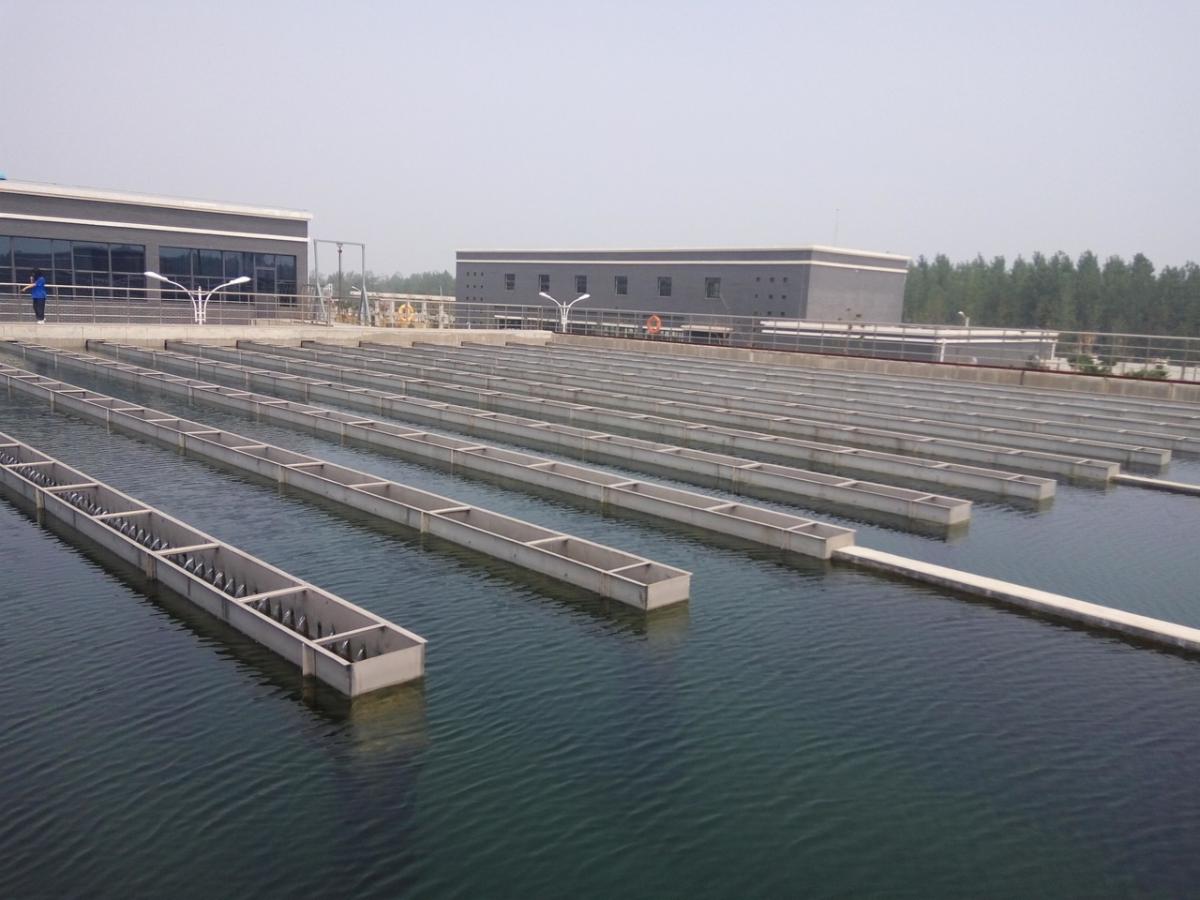 | |
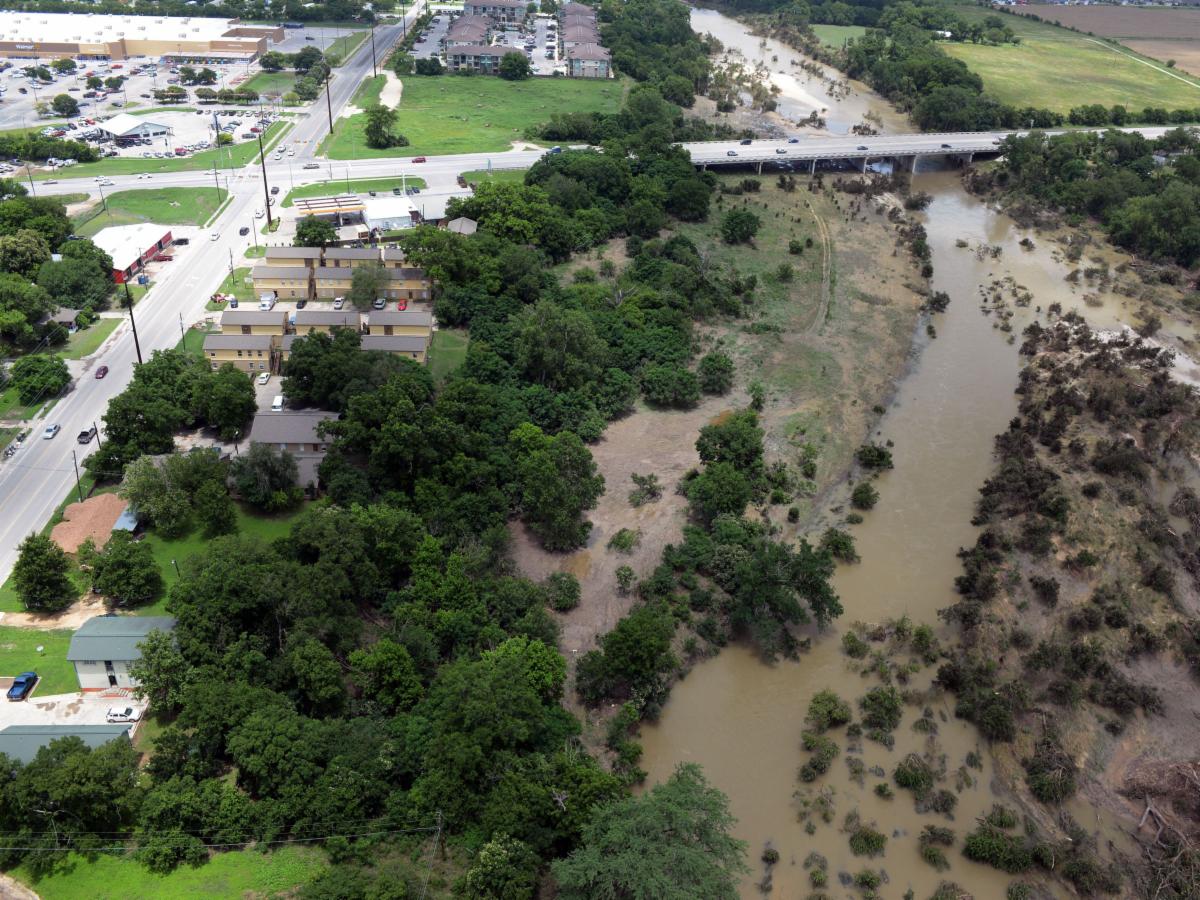
The Texas Water Development Board (TWDB) invested $211 million in nine projects to improve water and wastewater systems, mitigate flooding and rehabilitate sewers.
The city of Dallas will receive $129.9 million in grants and financing to design and build two flood projects that will mitigate Trinity River flooding. The city will remove structures that obstruct flow, raise and flatten levees and demolish old pump stations. In addition, the city will add and renovate pump stations and improve structural controls in the sump system. Plans include building levees that will tie into the existing levee system.
TWDB will deliver $27.8 million to the city of Aledo to plan, design and build improvements for its wastewater treatment plant. The city will use the money to increase operational capacity, install lift station pumps, integrate a backup generator and build a maintenance building addition with a lab.
The Crystal Clear Special Utility District in Guadalupe County will use $18.5 million to improve its water system. Plans include building three elevated storage tanks. These tanks will add 2.5 million gallons to the system’s storage capacity. The district will also build around 14,000 linear feet of water main lines. The project includes completing three wells that were drilled and cased in 2013.
The city of Silverton will receive $15 million in financing and principal forgiveness to improve its water system. The city will drill three water wells at the Swisher County well field. The wells will integrate with the existing water supply and offer enough capacity to meet needs during droughts. Plans also include installing a pump station, a 200,000-gallon ground storage tank, 59,400 feet of transmission line, well field piping and a supervisory control and data acquisition (SCADA) system.
The Cypress Forest Public Utility District in Harris County will leverage $10.4 million to rehabilitate its sanitary sewer. The district will start by rehabilitating outdated sanitary sewer collection lines. The district has already rehabilitated sections one through three of the sewer projects. The TWDB funds will allow the district to rehabilitate the remaining seven sections.
Other recipients include:
The Harris County Water Control and Improvement District No. 91 will receive $5.6 million to replace 15,000 feet of water lines to retain water and ensure serviceability.
The city of Mount Vernon will use $1.8 million to upsize a transmission line, identify and repair water distribution lines, rehabilitate the wastewater treatment plant and replace wastewater collection lines, brick manholes and clay pipes.
The city of Eastland will receive $1.6 million to replace transmission lines and reduce system water loss.
The Stryker Lake Water Supply Corporation will spend $990,000 to build a 50,000-gallon groundwater storage tank, aeration system and disinfection system.
(Photo courtesy of DengdaiFengQi on Pixabay.)
|  | |
Public Works Director Carol Haddock submitted her resignation to Mayor John Whitmire on April 24 during that evening’s City Council meeting.
Haddock has served as the city’s director of public works since July 2017. The role was the latest in a career spanning almost two decades with the city of Houston. Prior to serving as director of public works, she was deputy director of capital projects and senior assistant director for infrastructure and CIP planning.
As director of public works, Haddock oversaw numerous capital projects, most notably involving heavy weather, flooding, water and wastewater.
| |
Whitmire nominated Richard Smith to replace Haddock as interim director of public works. Smith will also serve as interim chief engineer. He will be responsible for all engineering-related decisions, processes and projects until a permanent director is chosen.
|  | 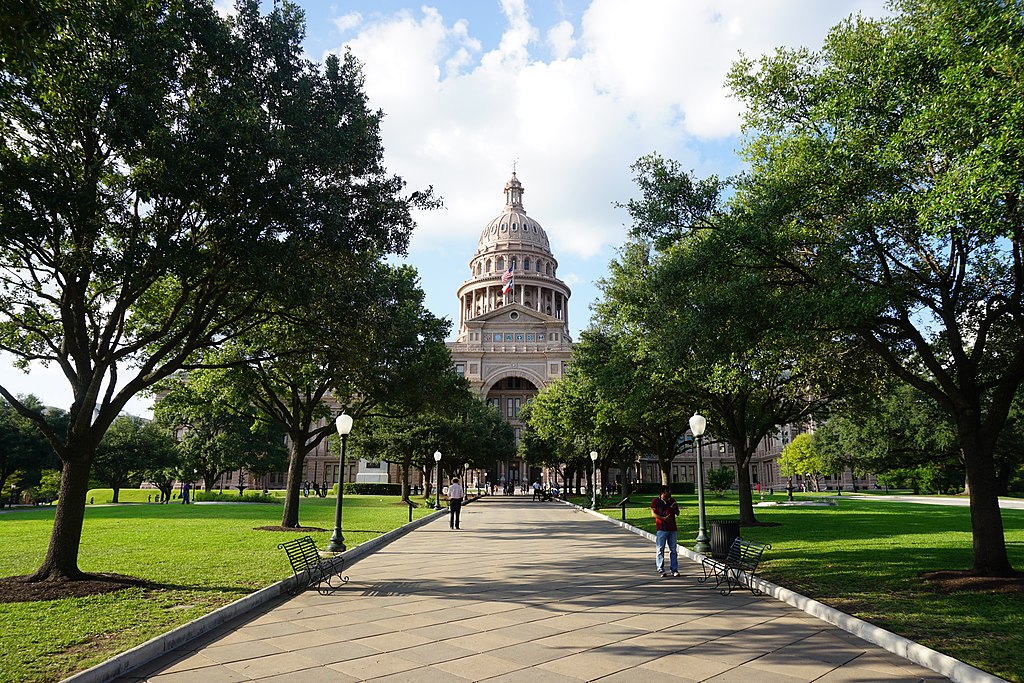 | |
The Supreme Court of Texas (SCOTX) ruled to temporarily halt Uplift Harris - a Harris County program to send $500 a month to qualifying families. More than 1,900 residents would receive payments for 18 months.
Texas Attorney General Ken Paxton sued to block the program April 9, calling it an illegal welfare scheme. He claimed the guaranteed income program violated the Texas Constitution by forbidding any level of Texas government from granting public money or things of value to help any individual.
“Harris County’s program to give public money away with no conditions, no control over expenditure of that money, and no guarantee of public benefit is prohibited,” Paxton said in a press release. “Taxpayer money must be spent lawfully and used to advance the public interest, not merely redistributed with no accountability or reasonable expectation of a general benefit.”
A state appeals court denied Paxton’s request on April 22, giving Harris County permission to move forward with the program. However, SCOTX elected to pause the program after Paxton filed an emergency injunction the day before checks were supposed to be sent out. Harris County will defer the first payments until lower courts reexamine the case.
Uplift Harris is not the first county program to experiment with guaranteed income payments. Austin, San Antonio and El Paso County have announced similar efforts in recent years. Austin's pilot ended in 2023, but the City Council voted April 18, 2024, to restart the guaranteed income program.
Should Uplift Harris pass and begin distributing checks, a random selection of needy families would receive unconditional county support to spend as needed. Families may use the funds to stabilize housing situations, increase food security, seek medical treatment, enhance self-sufficiency and support families. The county will support the program using $20.5 million in COVID-19 relief funds.
(Photo courtesy of Michael Barera.)
|  | |
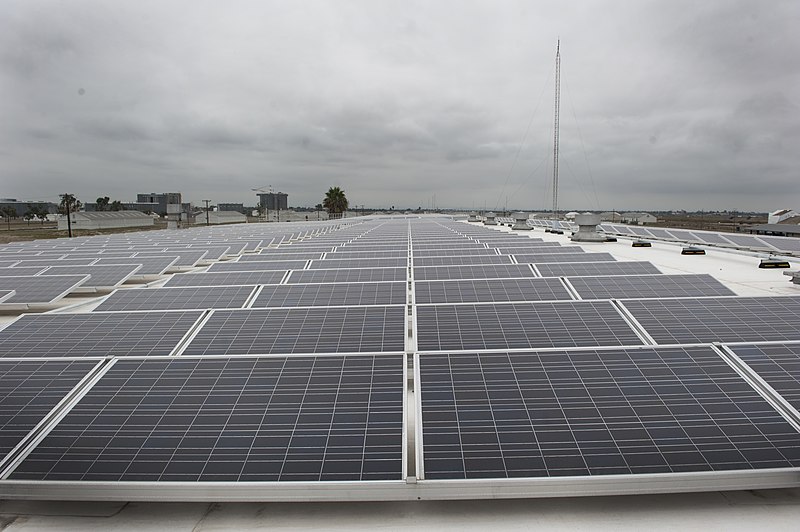
The U.S. Department of Energy has announced its plans to invest more than $100 million in multiple funding opportunities to prepare the grid for a net zero economy as well as a $331 million commitment to adding more than 2,000 megawatts of grid capacity throughout the western United States.
The DOE on Thursday also said it was cutting regulatory hurdles for energy storage, transmission and solar projects, including issuing a final rule that slashes transmission review timelines to fast-track permitting for projects.
Click here to learn more about the DOE’s investment in green energy
(Photo courtesy of the U.S. Navy and Mass Communication Specialist 2nd Class James R. Evans..)
| |
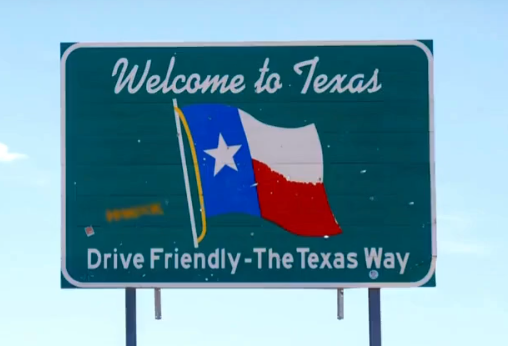
Texas is one of the top choices for interstate migration in the nation, according to the 2024 Texas Migration Review by Texas Realtors. The state welcomed approximately 668,000 newcomers from various states, resulting in a net increase of nearly 175,000 residents.
Most of the influx came from California, with over 102,000 people immigrating to Texas. Other new residents came from Florida, with over 41,000 arrivals, and New York, with more than 30,000 newcomers. Texas also saw an influx of migration from Colorado, Oklahoma, Illinois and Louisiana.
Click here for more information on Texas’ population boom
| |
The Abilene Independent School District has officially chosen John Kuhn, Ed.D., as superintendent. Dr. Kuhn brings more than 27 years of public education experience to the role. He currently serves as superintendent of Perrin-Whitt CISD. He took over his new role from Dr. David Young.
| |
The city of Cibolo has selected Veronica Sanchez to take over the role of Human Resources director. Sanchez is the current assistant director of HR and director of civil service for San Angelo. She has more than 17 years of experience in various HR positions. Sanchez will assume her duties May 20.
| |
Gov. Greg Abbott announced these appointments and reappointments from April 19 through April 25:
Texas Racing Commission
Jason Boatright - Dallas
Texas Municipal Retirement System Board Of Trustees
Tommy Gonzalez - Midland
Tricia Mirabelle - Cedar Park
Roel “Roy” Rodriguez, P.E. - McAllen
Governing Board Of The Texas School For The Deaf
Lisalee D. Egbert Ph.D. - Arlington
(both reappointed)
Christopher Moreland, M.D. - Austin
Shawn P. Saladin, Ph.D. - Edinburg
| |
Texas Government Insider is a free weekly newsletter detailing important happenings throughout the state and summarizing current political issues relevant to individuals interested in government.
Publisher: Mary Scott Nabers
Editors:
Adam Rollins
Dave Doolittle
| |