|
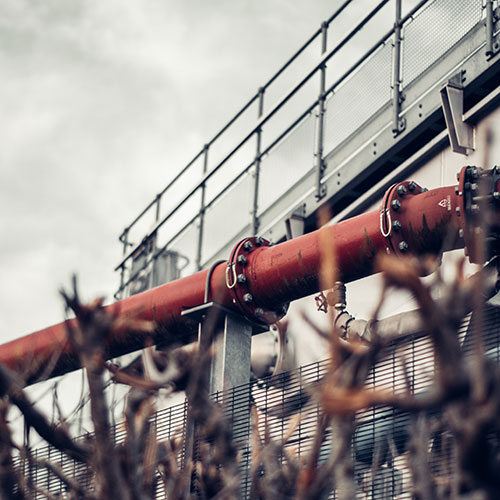
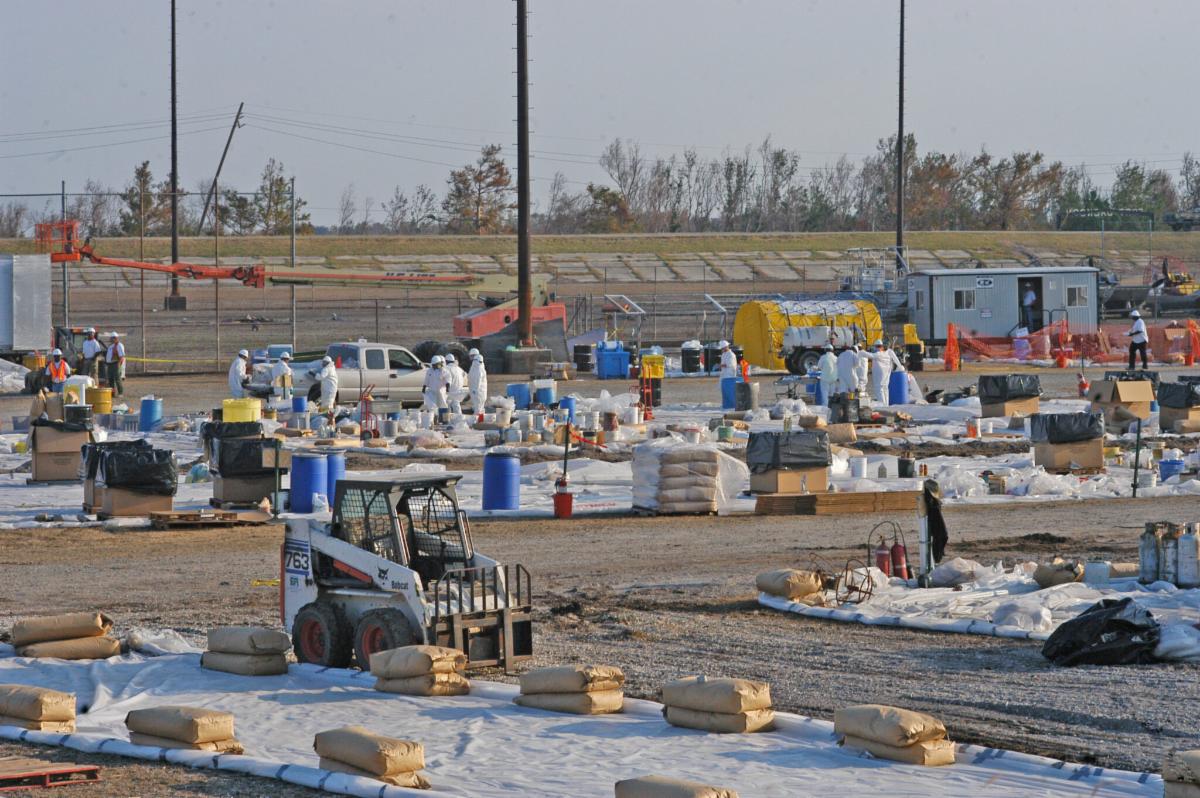
Recently, the Environmental Protection Agency (EPA) released a long-awaited report on water quality standards outlining the maximum contaminant levels for per- and poly-fluoroalkyl substances (PFAS) contaminants in drinking water. This marks the first time national standards for a new contaminant have been added to the Safe Drinking Water Act since 1996. It represents, without doubt, an ominous alert that should be noted.
The new standard coincided with an announcement of $1 billion in federal funding in 2024 for projects designed to remediate PFAS from drinking water. Additionally, the Bipartisan Infrastructure Law included a total of $9 billion through 2026 to address PFAS specifically, in addition to other funding for water infrastructure in general.
PFAS are harmful pollutants that currently contaminate the drinking water of an estimated 70 million to 94 million Americans. PFAS are also called forever chemicals because they have a uniquely resilient chemical composition that prevents them from breaking down over time. In other words, the contaminants must be removed or reduced because they do not disintegrate.
While exposure to PFAS can come from many places, contaminated drinking water is a common way people are exposed to PFAS. These substances are detrimental to health, and water systems have filed thousands of claims because of the contamination of water supplies. Nearly 600 cases have been settled for billions of dollars.
Addressing PFAS contamination in water throughout America is a very large task. One study conducted for the American Water Works Association estimated that the cost to meet the EPA’s proposed (and now official) standards would be over $3.8 billion annually.
Click here for more
|  | |
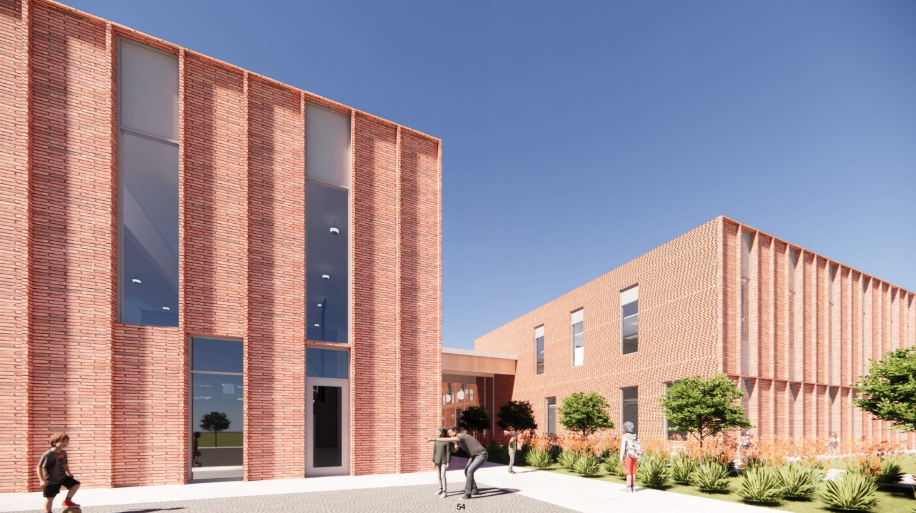
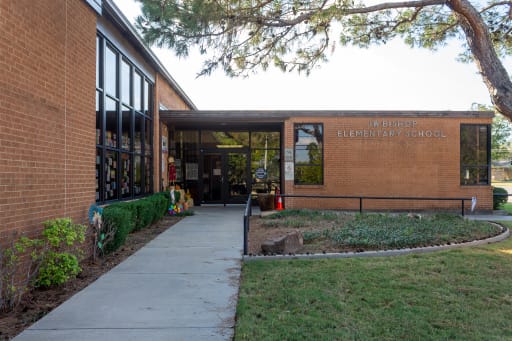
The San Marcos Consolidated Independent School District (SMCISD) Board of Trustees greenlit renderings and plans to replace Mendez Elementary. This project is a key component of the district's overarching improvement strategy for all 12 campuses.
Funded by three propositions that passed in May 2023, the project's total budget is an estimated $66.7 million – $57 million of which is allocated for construction. Perkins & Will has worked with SMCISD in the past and will be spearheading the design process.
The proposed designs prioritize safety and functionality, featuring distinct zones for play, pick-up/drop-off and bus loading to streamline traffic flow and ensure student security. Two courtyards are featured in the design, one for academic activities and the other accessible to the public. Construction will take place adjacent to the current school, allowing for uninterrupted education during the initial phase before transitioning to the new facilities.
The board unanimously endorsed the proposal and anticipates the project will be complete by Oct. 31, 2025. Beyond the new elementary school, the improvement plan includes additional classrooms, a new swimming facility and enhanced safety measures, including upgraded surveillance systems and infrastructure enhancements across the district.
(Photo courtesy of the San Marcos Consolidated Independent School District..)
| |
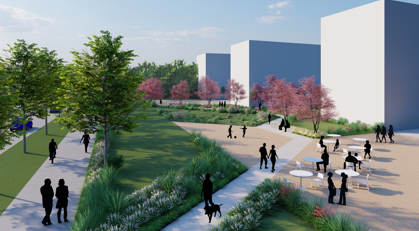
The city of San Antonio will use $41.6 million to reconstruct roads, build sidewalks and improve drainage. The projects are a part of the San Antonio 2022-2027 bond program. All projects are currently in the design phase, and construction is expected to be completed by 2028.
The city will spend $16.4 million to improve pedestrian accessibility and roadway safety on Vance Jackson Road. The current road has heavy traffic during peak hours and sidewalks that do not meet accessibility guidelines. The project will add a two-way center turn lane to widen the existing corridor, build better-connecting sidewalks and a shared-use path and install underground drainage. Construction will begin in summer 2026.
The city will use an additional $15.1 million to improve three streets in the Port San Antonio area. The streets have reached the end of their design life, have narrow sidewalks, drainage issues and disconnected bike facilities. Once completed, the improved streets will increase multimodal safety, improve stormwater runoff issues, enhance neighborhood connectivity and add communal public spaces. Construction will begin in fall 2024.
The city will improve the drainage infrastructure of General Hudnell, Billy Mitchell and General McMullen roads. Plans include reconstructing and resurfacing all three roadways and adjusting utilities in the Port San Antonio area. In addition, the city will build sidewalks, curbs and driveways along all three roadways. The city will build a linear park along Billy Mitchell Road and a community plaza at General McMullen.
Plans include spending $10.1 million to fully reconstruct Covel Road. The current road has failing pavement, potholes, cracked asphalt and poor drainage. The city will build two 12-foot travel lanes and repave the road with concrete. In addition, the city will regrade the roadside drainage channels and replace drainage pipes at three locations. Construction will begin in spring 2025.
(Photo courtesy of the city of San Antonio.)
|  | |
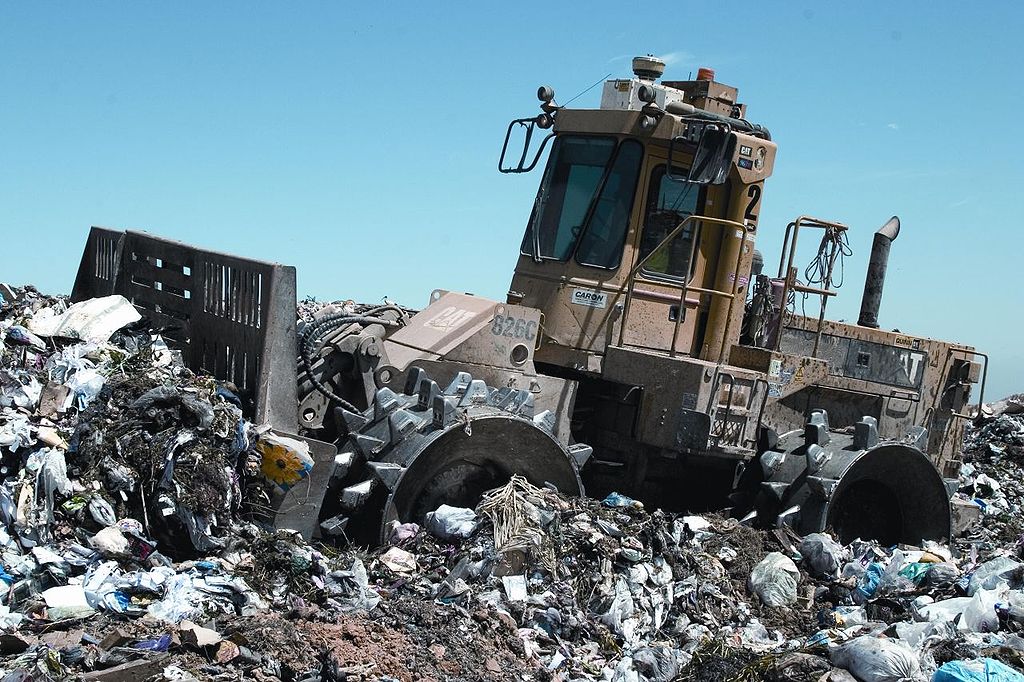
Americans produce approximately 292.4 million tons of solid waste every day, according to the Environmental Protection Agency (EPA). To help reduce the amount of trash in its landfills, the city of Austin will build a warehouse that will allow the city to store and redistribute used furniture and building materials.
The structure will help Austin avoid relying on landfills and improve recycling systems. The city received $4 million from the EPA’s Solid Waste Infrastructure Grant (SWIFR) program to support the project.
“By redistributing used furniture and building supplies, Austin’s new reuse warehouse will help reduce waste, assist those transitioning out of homelessness, create a circular economy and build a more resilient community,” said Cliff Villa, deputy assistant administrator of the EPA’s Office of Land and Emergency Management.
Austin Resource Recovery (ARR) will use the warehouse to accept and redistribute used furniture at no cost to nonprofits and their clients. The agency will focus on furnishing the homes of those transitioning out of homelessness. The warehouse will eventually expand to accept building materials.
A dedicated Innovation Lab will also provide space and infrastructure for programming and a workforce program where people with barriers to employment will learn how to upcycle outdated furniture.
The SWIFR program helps implement the National Recycling Strategy, an initiative designed to advance and improve the national and domestic solid waste recycling systems. SWIFR aims to improve post-consumer material management and infrastructure, support local materials management and recycling programs and help local waste management authorities improve waste management systems.
The EPA awarded over $105 million in SWIFR grants to states and communities in 2023. The EPA has announced $56.2 million in funding so far in 2024. Other communities receiving grants include Baltimore, which plans to build a solar-powered composting facility, and Minneapolis, which is redeveloping an old city waste disposal facility into a self-hauling waste site.
(Photo courtesy of Ropable.)
| |
Rural hospitals have until May 2, 2024, to apply for a share of $23.9 million from the Texas Department of Agriculture’s (TDA) State Office of Rural Health (SORH) to expand and improve broadband infrastructure. Applicants can apply for grants up to $100,000.
The funds are a part of the Texas Rural Hospital Broadband Infrastructure Program (BIP), an initiative designed to improve rural hospital connectivity to meet the needs of local communities. The initiative will help reinforce healthcare accessibility in rural environments, allowing hospitals to substantially improve the quality of life in communities statewide.
TDA will deliver the funds through the Broadband Development Office (BDO) at the Texas Comptroller of Public Accounts (CPA). Recipients can use the awards to invest in technology upgrades that allow hospitals to provide better medical service, telehealth consultations and patient care.
Rural communities often face barriers in accessing healthcare services, with a lack of reliable broadband accessibility being one of the largest and longest-standing issues. The grants will help healthcare providers develop and expand broadband infrastructure enabling them to connect with patients, access medical records and collaborate with specialists statewide.
(Photo courtesy of the National Cancer Institute on Unsplash.)
| |
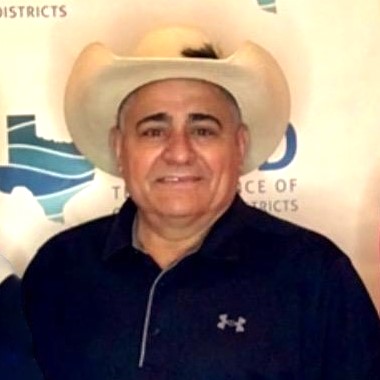
Jorge Gonzalez
General Manager
Duval County Groundwater Conservation District
| |
Public career highlights and education: I have spent the past four and a half years as general manager for the Duval County Groundwater Conservation District as a groundwater conservationist, monitoring groundwater levels and protecting valuable fresh water and protecting and preserving and keep groundwater from contamination, issuing new permits and plugging old water wells. I have also spent the past nine years as commissioner for the Duval County Emergency Service District No. 2, which provides fire trucks and ambulances to rural residents of Duval County.
I’m also president of Concepcion Senior Citizen Organization and vice president and prior president of an organization named La Santa Cruz de la Concepcion Tejanos, which educates people on Tejano culture and history in Duval County.
I’m a lifetime rancher in Duval County and retired from the USDA’s Natural Resource Conservation Service after 34 years.
What I like best about my public service: Being involved with the community is very important to me and my family. I also like to stay active and provide support to elderly and young lives in my ranching community of Southern Ranching Community Duval County.
People might be interested to know that: I'm not involved in politics. I try to stay neutral as possible.
One thing I wish more people knew about the Duval County Groundwater Conservation District is: Fresh groundwater is vital to human life and mother earth. We should strive to protect and conserve fresh groundwater for future generations.
|  | |
Residents in the Everman Independent School District (EISD) will vote on a $67.1 million bond package to renovate campuses, increase school security and build a multipurpose facility. Early voting will be between April 22 and April 30. Election day is May 4.
If approved, Proposition A would allocate $49 million to renovate four elementary campuses and implement safety and security infrastructure to protect students, faculty and staff. The district would replace all portable buildings with 10 classrooms per campus. EISD plans to add a science lab and two storage rooms to each elementary campus.
The district would renovate the gyms at all four schools to include additional storage and a covered outdoor classroom space. Plans include replacing flooring as needed. The district would add restrooms to Bishop, E Ray and Hommel elementary schools. EISD would also install an additional kitchen serving line at Hommel Elementary.
In addition, EISD would replace the HVAC, ventilation systems and roofs at Bishop and Hommel elementary schools. The district would separate Roger E Souder Elementary School sanitary sewer and electrical systems. Plans include reworking Souder Elementary’s drive lane, expanding the kitchen area and relocating existing restrooms and a playground.
EISD would enhance the safety and security of all elementary school campuses by deploying a wearable panic button to discreetly alert authorities during emergency situations. The buttons would expedite response times, enable partial or full lockdowns and share relevant footage with emergency services.
The district would also install cloud-based security cameras to provide real-time surveillance and remote management. The cameras would alert site managers if they fall offline, continually update with AI features, provide unusual-activity alerting and share live footage vis SMS and email. In addition, school staff could access and manage the cameras from any location.
EISD would deploy an access-control cloud security solution to regulate physical entry to the school. The system would connect all hybrid cloud devices installed on campus, ranging from cameras to alarms, to increase the school’s security coverage. Finally, the district would install vape and environmental sensors to monitor bathrooms, locker rooms and other indoor environments for vaping and/or student conflicts.
Proposition B would provide $18 million to build a districtwide indoor multipurpose facility. The facility would provide dedicated space at the high school for events such as academic competitions, guest speakers, field days, athletics and band practices, spelling bees and department programs.
(Photo courtesy of Everman ISD.)
| |
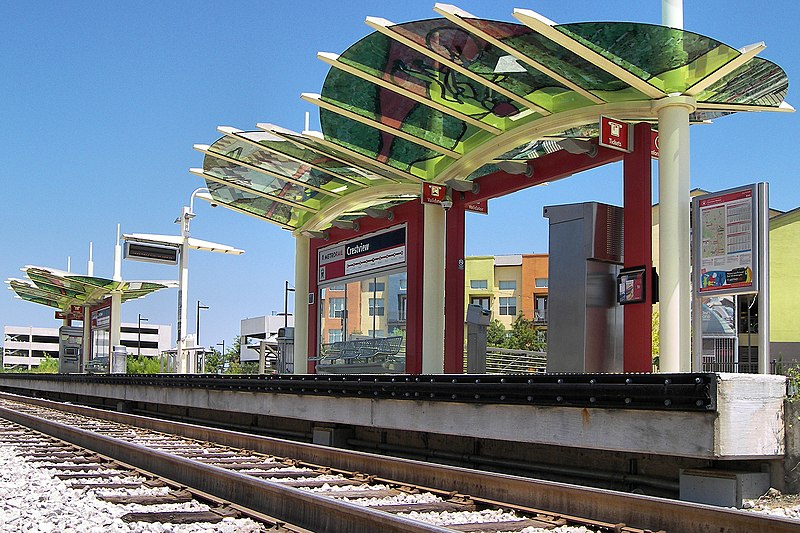
The Department of Transportation (DOT) has released $17.6 million in planning grants as a part of the Federal Transit Administration’s (FTA) Pilot Program for Transit-Oriented Development (TOD).
This is the second round of planning grants that draw on funds from the Bipartisan Infrastructure Law (BIL), which has pledged $68.9 million for transit-oriented developments through 2026.
Click here to learn more about transit-oriented development
(Photo: Crestview Station in Austin, Texas. Courtesy of Larry D. Moore.)
|  | |
National laboratory-led research into converting saltwater into a viable renewable source of potable water for populations will continue for at least another half decade, the Department of Energy said.
The DOE announced it was renewing funding for the National Alliance of Water Innovation (NAWI), its energy innovation hub for desalination. NAWI, a collaboration between the Lawrence Berkeley National Laboratory, National Renewable Energy Laboratory and Oak Ridge National Laboratory, will get another five years and $75 million to continue work on lowering the cost and energy of water purification technologies.
Click here to learn more about the DOE’s desalination initiatives
(Photo courtesy of NAWI.)
| |  |
 | |
The city of Fort Worth will use $2 million to develop a network of sensors to monitor and model micro-weather conditions near the Fort Worth Smart Port. Smart Port is a city-sponsored laboratory that develops and deploys transportation technologies, such as autonomous vehicles (AV), drones and air taxis.
Fort Worth was the sole Texas city out of 34 recipients that received a grant from the Strengthening Mobility and Revolutionizing Transportation (SMART) discretionary grant program. The U.S. Department of Transportation (USDOT) awarded $54 million to support projects involving smart-community technologies and systems that improve transportation efficiency and safety.
The funds are part of Stage 1 of the SMART grants program, providing recipients with up to $2 million for planning and prototyping. As part of the project, Fort Worth will deploy a series of ground, low altitude and roadway sensors to monitor and model micro-weather conditions and environments on freight routes.
These microclimate sensors will provide precise, real-time weather data that can be shared with AVs. Vehicles can then adapt to changing weather conditions and make informed decisions designed to prioritize operational safety and reliability. Weather conditions such as rainfall and fog can affect EV sensors.
Severe weather conditions can present severe dangers on America’s roadways, impacting visibility, wheel traction and driver awareness. While Fort Worth’s weather-sensor pilot program will only apply to AVs, future deployment of similar technologies for standard vehicles will be able to warn drivers of roadway dangers well before an accident takes place.
(Photo courtesy of the city of Fort Worth.)
|  | 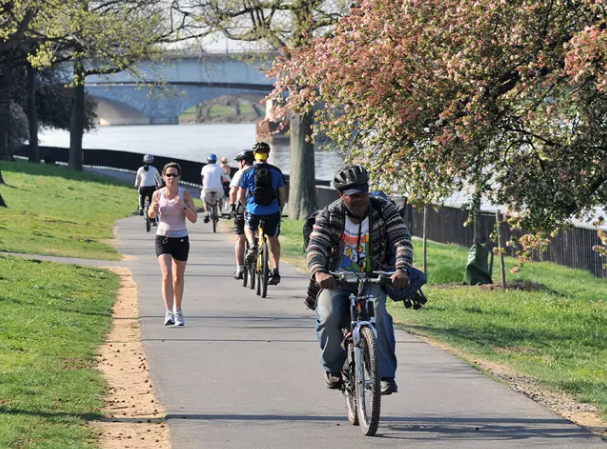 | |
The city of Laredo will spend $7.6 million in local, state and federal funds to develop the Zacate Creek Green District Corridor. The project was one of 14 projects selected through the National Park Service’s Outdoor Recreation Legacy Partnership (ORLP) program. The program will equally match the $3.8 million already generated by Laredo and Webb County to finance the project.
The ORLP program is a matching grant program designed to support disadvantaged, urban communities without suitable access to nearby outdoor recreation amenities. Suitable projects include those that promote hiking, camping, picnicking, cycling and other forms of outdoor recreation.
As part of the project, Laredo will develop the 22-acre corridor to promote outdoor recreation activities. Plans include building hike and bike trails, shared-use paths and a bike and kayak rental station. The city will build a trail head entrance, dedicated parking areas and an open-air visitor center with restrooms.
The project’s scope also includes building pedestrian bridges, restoring existing bridges and an amphitheater, installing water fountains and placing benches and tables. The city will build bike repair stations and plant a community garden.
The city will perform landscaping to remove invasive plant species. Laredo will also plant native plants and grasses to help restore the creek to its natural state. The project will help stabilize creek embankments.
Since Congress established it in 2014, the ORLP program has awarded more than $118 million to underserved communities. The program delivered $58.3 million in the most recent round of awards. The next round of funding is open through April 30, 2024.
(Photo courtesy of the National Park Service.)
|  | |
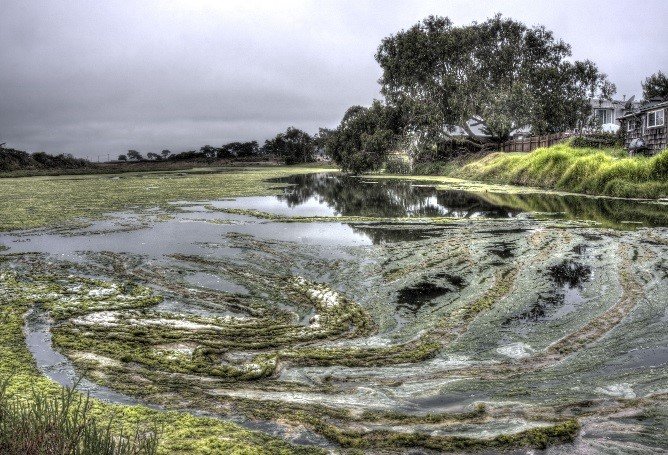
The U.S. Department of Energy is turning to biofuels and other products made from algae to reduce climate pollution. The agency is offering $18.8 million in grants for research and development of products derived from algae that can replace conventional fuels, plastics and other useful byproducts.
The DOE released a funding opportunity announcement last week. The funding program, known as the Mixed Algae Conversion Research Opportunity, is overseen by the Bioenergy Technologies Office (BETO) and the Office of Fossil Energy and Carbon Management (FECM). Potential applicants must submit concept papers by May 10, and full applications are due June 27.
Click here for more information on biofuel development and innovation
(Photo courtesy of the Department of Energy.)
|  | |
The Department of Homeland Security will send $1.8 billion in preparedness grants for states, cities, tribes and territories to prepare, prevent and respond to disasters and terrorism.
For Fiscal Year 2024, Congress reduced the funds in each of the preparedness grants by 10% over the previous year. In FY 2023, DHS sent more than $2 billion to state, local, tribal territorial governments, transportation authorities and nonprofit organizations.
Click here for more information on the billion-dollar grant funding opportunity
(Photo courtesy of the Louisiana Governor's Office of Homeland Security and Emergency Preparedness.)
| |
The city of Victoria has hired Lisa Wube as director of Parks & Recreation. Wube has previously served as Parks & Recreation director for Lancaster, assistant director of Parks & Recreation for Irving and sports director for Evansville, Indiana. She will officially assume the role April 29.
| |
After 28 years of working with the city of Laredo, Mario Maldonado has been named city secretary. Maldonado has served in a number of positions in Laredo, including vice president of International Business Recruitment for the Laredo Economic Development Corporation, interim airport director and executive director of transportation. He will replace Jose A. Baldez Jr.
| |
Casey Whittle, Ed.D., is the lone finalist for Whitehouse ISD superintendent. The Board of Trustees officially selected him April 15. Dr. Whittle brings almost 25 years of public education experience, most recently as assistant superintendent for Human Resources at Wylie ISD. The board will officially hire Dr. Whittle following a mandatory 21-day waiting period.
| |
Gov. Greg Abbott announced these appointments and reappointments from April 12 through April 18:
Texas Holocaust, Genocide, And Antisemitism Advisory Commission
Adam Blum - Austin
Cara Mendelsohn - Dallas
Texas State Board Of Plumbing Examiners
(all reappointed)
James “Ron” Ainsworth - Boerne
William “Bill” Klock - Austin
Norma Yado - McAllen
| |
Texas Government Insider is a free weekly newsletter detailing important happenings throughout the state and summarizing current political issues relevant to individuals interested in government.
Publisher: Mary Scott Nabers
Editors:
Adam Rollins
Dave Doolittle
| |