Volume 22, Issue 11 - March 15, 2024 | |
|
Here’s a fact that may be surprising – it surely was to me. The construction or renovation of buildings accounts for approximately 39% of the total global energy-related carbon emissions each year.
Embodied carbon contributes another 11%. That category refers to the total greenhouse gas emissions generated over the lifecycle of a building, road or any type of infrastructure. Emissions that are measured encompass everything from the production and transportation of materials to their installation and the structure's eventual decommissioning.
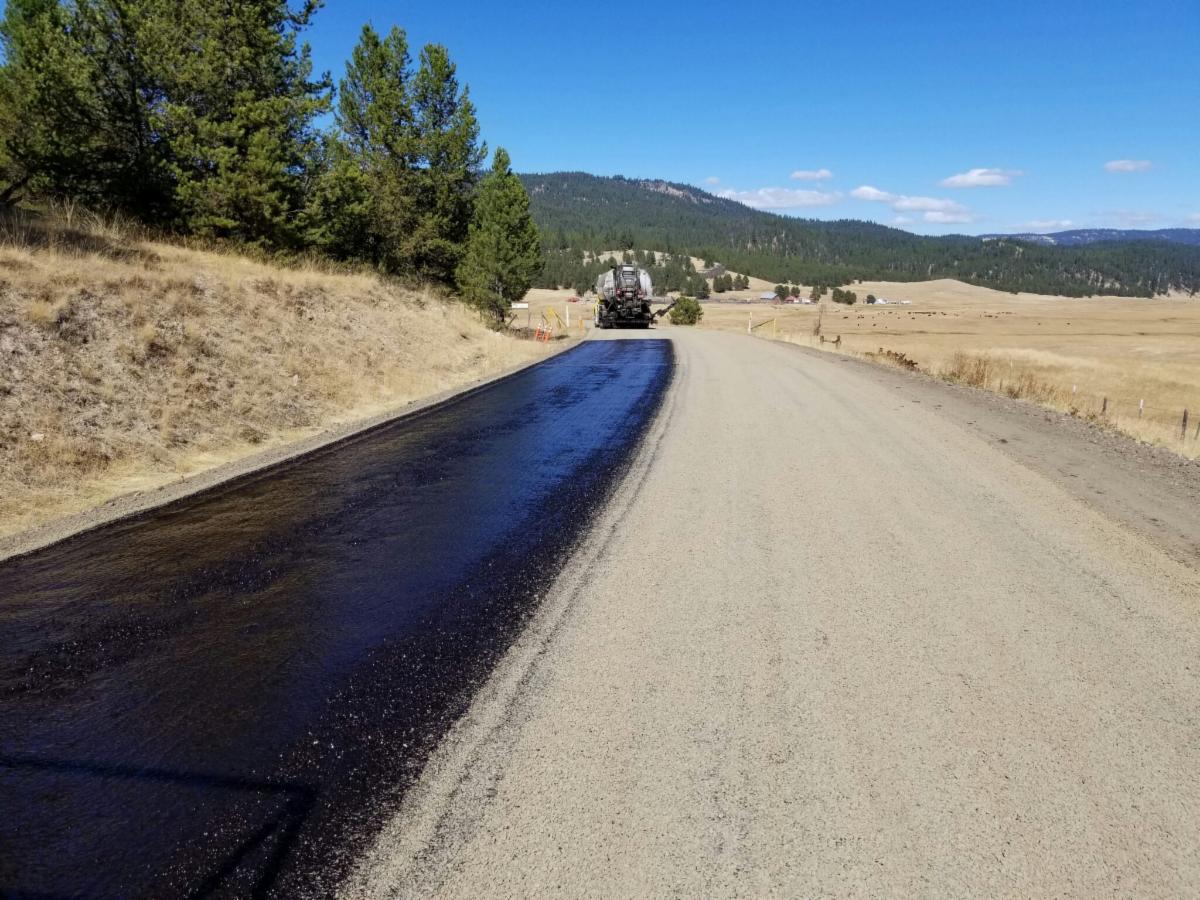
Construction guidelines are evolving, and contractors are increasingly required to use concrete, steel, glass and asphalt materials with lower carbon footprints than the industry average. The federal government continues to create programs that either incentivize or mandate the use of lower carbon.
Several upcoming projects described below are part of a pilot project launched by the Federal Government Services Agency (GSA). The projects focus on four carbon-intensive construction materials: asphalt, concrete, glass and steel.
Local jurisdictions are also increasingly launching initiatives to implement low-embodied carbon construction programs. State and local governments are also supporting such projects with funding.
The GSA program is supporting the expansion and modernization of the Porthill Land Port of Entry in Idaho. The $55 million project is a priority because, after 55 years, the facility no longer meets the federal government’s operational requirements. The proposed enhancements will expand the facility's footprint, boost inspection capabilities, reorganize traffic flow through improved lane systems, enhance lighting, install canopy systems and ensure the provision of a secure detention area. The work will also strengthen the port's operational efficiency and capacity while prioritizing energy and water efficiency by incorporating renewable and fossil fuel-free options. The final environmental assessment will be completed by June 2024, and the design phase will begin immediately, but a 2026 construction date is planned.
Click here for more
| |
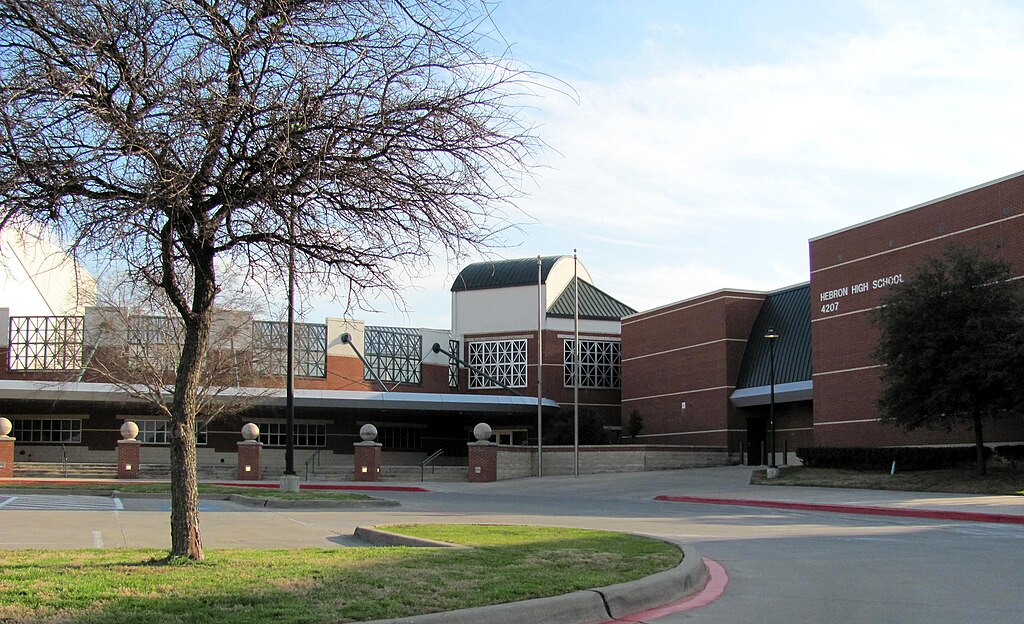
Lewisville Independent School District (LISD) voters will weigh in on a $101.9 million bond to renovate athletics and recreation facilities, natatoriums and stadiums across multiple campuses. Early voting runs from April 22 to April 30. Voting will take place May 4.
Proposition B would allocate the largest sum - $65.6 million - to conduct maintenance, repairs and renovations at various athletics and recreational facilities. This includes funding the 20-year life cycle maintenance and repair process for the Lewisville High School boys track locker room, the Hebron High School field house and both high schools' baseball and softball facilities.
In addition to maintenance and repair, the district would replace building components that have outlived their usable life cycle. This includes replacing the turf at The Colony High School softball field, replacing baseball field lighting across five high schools and the softball field lighting across four. LISD would also replace tracks across seven campuses and the heaters, turf and roof for the Lewisville and The Colony high school athletic centers.
LISD would resurface the tennis courts across three high school campuses and install fencing at The Colony High School. Other plans include building locker rooms at the Flower Mound and Marcus high school baseball and softball fields as well as renovating concessions and restroom at the Lewisville High School baseball field. The district would also convert the baseball, softball and practice fields across five high school and three middle school campuses to turf.
Proposition C would allocate $20 million to maintain, repair and renovate five existing high school stadiums. The district would conduct 20-year life cycle maintenance and repair at the Flower Mound and Hebron high school stadiums. This would include work on the stadium buildings, press boxes, restrooms, concessions, HVAC and locker rooms.
In addition, LISD would replace the scoreboard and tracks at four high school stadiums. The district would also install LEDs at all five stadiums, increasing lighting levels and improving safety for players and spectators.
Prop A would use $16.3 million to renovate the entire 38,900-square-foot Eastside Aquatic Center. The project would include replacing the fire suppression, HVAC, pool heating, roofing and pool filtration systems. LISD would repair the pool plaster, replace the flooring and doors, install a video scoreboard and renovate the starting platforms and locker rooms.
The district would also replace components at the 59,000-square-foot Westside Aquatic Center. This would include replacing the small pool’s liner, bulkhead surfacing and video scoreboard.
(Photo courtesy of Ryan Simpson.)
| |
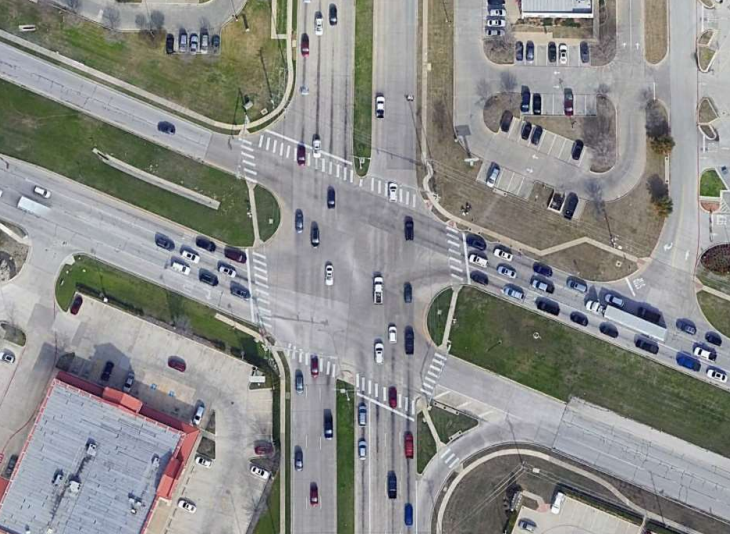
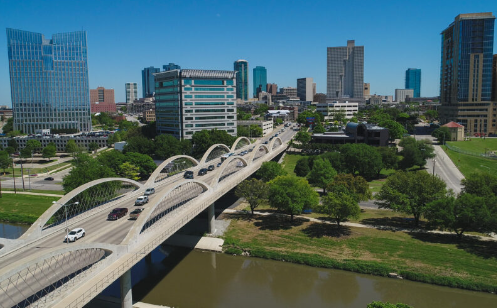
The city of Fort Worth will improve three separate roads to enhance drainage, traffic flow, pedestrian safety and mobility. The projects have a combined estimated cost of $79.7 million. All three are in the design phase, and the city expects to complete each project by 2027.
Fort Worth will use $43.6 million to reconstruct a two-mile portion of Avondale Haslet Road, expanding it from two lanes to four lanes. As part of the project, the city will install additional curbs and gutters, improve stormwater drainage and add a 10-foot pedestrian and bike lane. Construction will begin in spring 2025.
The city will widen Bonds Ranch Road to four lanes. The $31.6 million project will include streetlights, bike and pedestrian lanes and sidewalks. The city will also improve the road’s drainage system and relocate the water and sanitary sewers.
Fort Worth will use the remaining $4.5 million to improve the intersection at North Tarrant Parkway and Beach Street. The city will build additional left-turn lanes in the eastbound and westbound directions. Plans also include building a northbound left-turn lane and a right-turn lane in the southbound and westbound directions.
In addition, the city will build more right-turn islands accompanied by crosswalk striping on all four corners. Plans include installing traffic signals, pedestrian signals and curb ramps. Construction is expected to begin in August 2024.
(Photo courtesy of the city of Fort Worth.)
|  | |
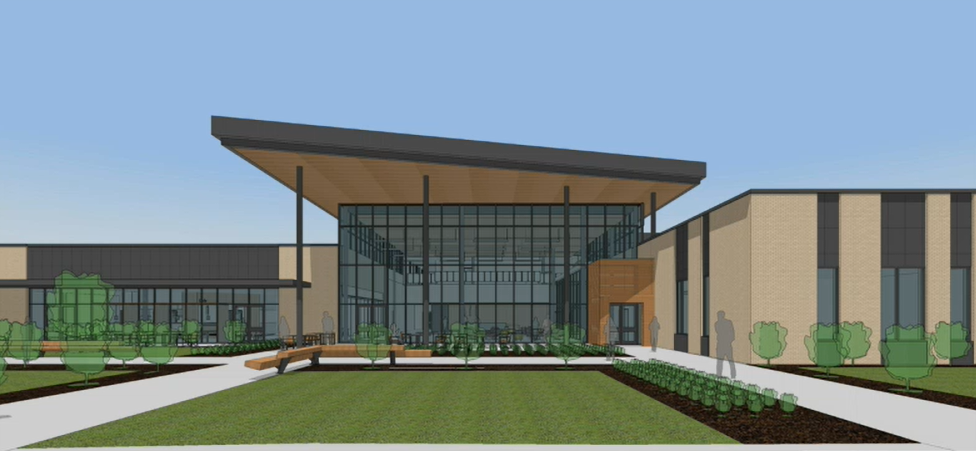
The Plano Independent School District (PISD) will build a $76.7 million Career and Technical Education Center (CTE) to provide mixed-use educational and trade spaces for students. The project was approved as part of the PISD 2022 bond election. Currently in the design phase, bids will go out Aug. 21, 2024. Construction will begin Oct. 8, 2024.
The district will build a compact facility that improves connectivity between classroom spaces and the outdoors, prioritizes natural light and leaves room for future expansion. The 370,212-square-foot, 15-acre site will include the main building, dedicated vehicle and pedestrian circulation, a screened courtyard and 322 parking spaces.
The two-story facility will include spaces for administration and support, general academics, hospitality and tourism, manufacturing, architecture and construction. The district will dedicate other areas for business, marketing and finance; transportation, distribution and logistics; and arts, AV technology and communications.
In addition, the building will feature areas for information technology, radiology, EMT and collaboration spaces. The facility will have entrances to a shop yard and service yard. The district will build a dedicated student entrance in addition to the building’s main entrance.
The district plans to incorporate services accommodating public visitors. The first floor will feature a bank, cosmetology studio, restaurant/café and lobby and event spaces.
(Photo courtesy of the Plano Independent School District.)
| |
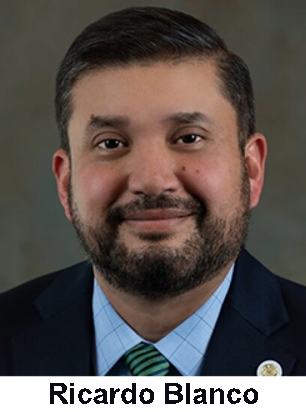
Ricardo Blanco
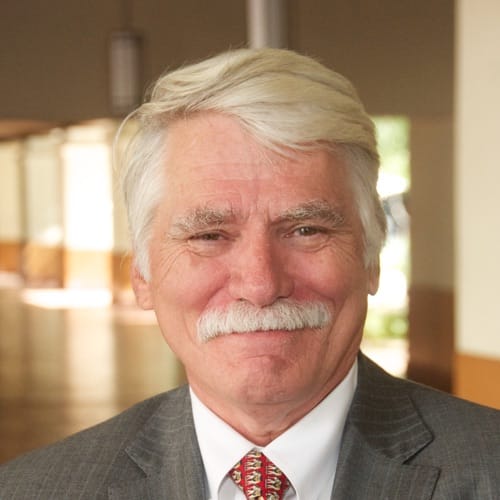
Deputy Executive Commissioner, Information Technology and Chief Information Officer
Texas Health and Human Services Commission
| |
Public career highlights and education: I graduated from the Executive Leadership for Information Technology Excellence program at the LBJ School of Public Affairs at the University of Texas Austin and various other leadership and cybersecurity education programs at UT-Austin, MIT and UC Berkeley-Haas School of Business. I have also received numerous awards and recognition over the years, including the 2021 Texas Association of State Systems for Computing and Communications (TASSCC) Project Excellence Award for the Infectious Disease Data Integration Project and the prestigious 2023 Central Texas CIO Orbie award for technology leadership, innovation, and excellence.
What I like best about my public service: Public service allows me to work closely with diverse, inspiring groups of people to achieve goals that benefit the state and its residents. Moreover, my role gives me the opportunity to be part of making important decisions. This responsibility is both humbling and empowering, as I strive to make decisions that will have a positive and lasting impact on the lives of those I serve.
The best advice I’ve received: The real test of leadership does not occur when everything is smooth sailing; leadership is often tested when we are asked to change. This advice has become particularly relevant over the last couple of years, as the pandemic and its aftermath changed not only our priorities but how we collaborated and communicated to achieve them. A leader has to be willing to make tough decisions and take calculated risks, but they also have to be willing to provide guidance, support and encouragement to help their team navigate through unchartered territory.
People might be interested to know: I make it a point to invest my time and services to veteran causes. As the proud son of a veteran, it gives me great joy to serve those who have so selflessly and bravely served our country.
One thing I wish more people knew about the Texas Health and Human Services Commission: The people who serve with me in IT on the state level are the very best that our state and country have to offer. It’s easy to think of information technology as machines or some critical yet intangible concept, like the cloud or internet services. But behind every service we offer, there’s a team of hardworking individuals dedicated to our mission of improving the lives of the people we serve.
|  | |
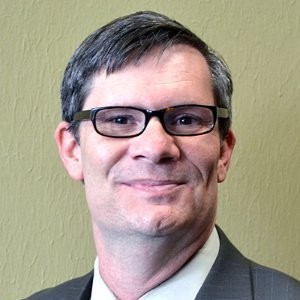
Dr. Lyle DuBus joins the Strategic Partnerships Inc. (SPI) team after retiring from a successful career in K-12 Education.
Lyle most recently served as Superintendent of Mexia ISD in Central Texas. Prior to holding that position, he was superintendent of Harts Bluff ISD in East Texas, executive director of technology, executive director of information and technology, chief information officer, chief operations officer and assistant superintendent of instructional delivery for the Grand Prairie ISD in Dallas/Fort Worth. During his time as an administrator, he participated in over half a billion dollars in bond construction.
Overall, his experience includes leadership in high-growth urban school districts and small rural districts. He served as an administrator for 22 years, including six as a superintendent. His expertise in technology has lent itself to roles in district operations, finance, human resources and instruction.
Lyle received a Bachelor of Science in Education from the University of Texas at Austin, a Master of Science in Computer Education and Cognitive Systems from the University of North Texas and an Educational Doctorate in Leadership from Texas A&M Commerce.
| |
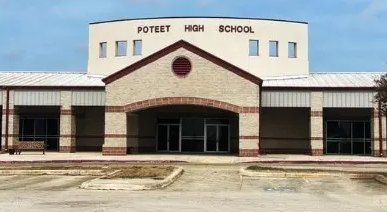
Voters in the Poteet Independent School District (PISD) will vote on a $65 million bond measure to bring upgrades, additions, renovations and priority maintenance to four school campuses. Early voting will be between April 22 and April 30. Election day is May 4.
If Proposition A is approved, the bond would allow the district to make sweeping changes to Poteet Elementary. PISD would build and renovate classrooms for support areas and special services. The district would renovate the existing cafeteria and gymnasium and build Pre-K classrooms.
Other plans include performing priority maintenance and improving school restrooms, doors, hardware, HVAC and plumbing. PISD would also build additional kitchen service access and drop-off/parking areas.
The district would perform similar work on Poteet Intermediate, including priority maintenance and improving doors, hardware, restrooms, plumbing and replacing the roof. PISD would build classrooms with dedicated support areas and demolish the special services building.
Poteet Junior High would kickstart priority maintenance projects in addition to door, hardware, HVAC, restroom and storm and sanitary plumbing work. The district would build classrooms with support spaces, add a front entry, remodel the lobby and improve the gymnasium. PISD would also rework the parking layout and access to the gym, replace the roof and renovate the front drop-off drive area.
Work at Poteet High School would include relocating the school’s culinary area to expand and renovate the existing space. Other plans include building a support and counseling suite.
(Photo courtesy of the Poteet Independent School District.)
| |
The Fort Worth City Council is still considering an Urban Forestry Master Plan (UFMP) that would preserve the city’s tree canopy, which helps mitigate stormwater, reduce heat, improve air quality and enhance public health.
The Texas Trees Foundation began developing the UFMP in 2022. The foundation developed 10 recommendations to ensure the city could manage, preserve and expand urban forests while strengthening urban forest programs.
The city would start by conducting an inventory of public trees in underserved and disadvantaged neighborhoods in low tree canopy areas. The city would support tree canopy and sustainability goals by changing tree ordinance and other policies to align with the UFMP’s objectives.
Departments would ensure they are adequately staffed and partner with local neighborhoods to manage and progress urban forestry efforts. In addition, the city would implement a public communications and education plan and develop a sustainable funding strategy. The city would create a multi-year planting and maintenance plan to work toward 30% canopy coverage by 2050.
The city would establish programs to identify and remediate threats to urban forestry health, such as pests and diseases. Finally, the city would strengthen, expand and increase awareness of programs or strategies that use or repurpose urban wood waste generated from public tree operations.
The City Council has not decided when to officially vote to adopt the plan’s final draft.
(Photo courtesy of the Texas Trees Foundation.)
|  | |
The Federal Highway Administration is allocating $2 billion through its Low Carbon Transportation Materials Program to states, metropolitan regions and tribes to complete infrastructure projects using materials that are more environmentally friendly than those typically used in construction.
Funded through the 2022 Inflation Reduction Act, the program is meant to reduce greenhouse gas emissions from transportation and construction sectors. In total, the FHWA has received $5 billion from the act.
Click here to learn more about the NOFO
(Photo courtesy of Tom Shamberger on Unsplash.)
| |
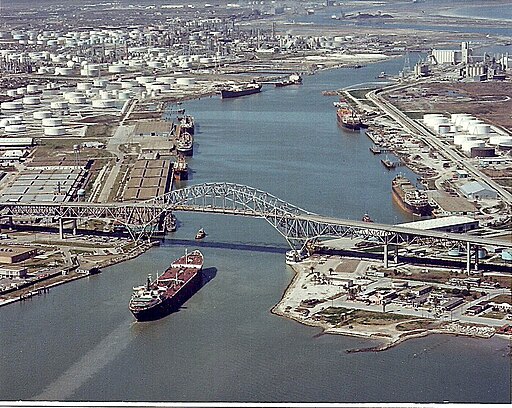
The U.S. Department of Transportation’s Maritime Administration (MARAD) has opened a $500 million notice of funding opportunity (NOFO) for projects that bolster the safety, efficiency or reliability of the movement of goods through ports and intermodal connections to ports.
The competitive grants are administered MARAD’s Port Infrastructure Development Program (PIDP), which focuses on upgrading coastal and inland ports across the United States. Funds come from the Bipartisan Infrastructure Law, which provides $500 million annually, from fiscal year 2022 through fiscal year 2026, for the program.
Click here to learn more about this funding opportunity
(Photo courtesy of Jay Phagan.)
| |  |
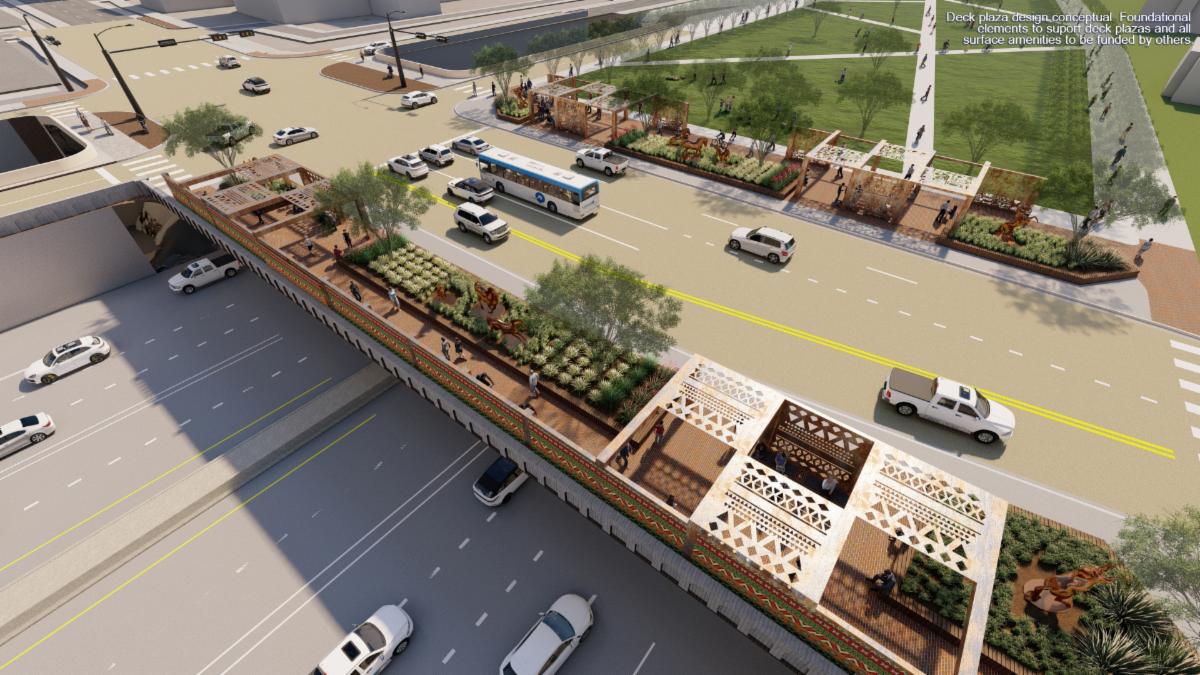 | |
The city of Austin will use $105.2 million to build a 5.3-acre freeway cap over Interstate 35 between Cesar Chavez and Fourth Street. The U.S. Department of Transportation (USDOT) awarded the funding through the Neighborhood Access and Equity Grant Program (NAE).
The Cesar Chavez cap project is a part of Our Future 35: Austin’s Cap and Stitch Program. The city launched the initiative to build caps and stitches over portions of I-35 in Central Austin. Caps and stitches are covers and bridges built over freeways to create public park space, travel lanes, protected paths for bicycles and pedestrians and other multimodal enhancements.
Building a cap over Cesar Chavez will reconnect residents in nearby neighborhoods, offering an uninterrupted walking and biking corridor that won’t require frontage road crossings.
The city will match the funding with $45 million. Austin will also coordinate with TxDOT while designing and engineering the cap project. As the project continues, officials expect public input will determine the design of amenities that the city will build on top of the cap after construction is completed.
Austin’s ‘Our Future 35’ is a part of the Texas Department of Transportation (TxDOT) Capital Express Central Project. The Capital Express Central Project will use $4.5 billion to remove existing I-35 decks, lower the roadway, add two non-tolled high-occupancy vehicle lanes, reconstruct bridges, add pedestrian and bicycle paths and improve overall safety and mobility.
(Photo courtesy of My 35 Capital Express.)
|  | |
Houston Chief Development Officer Andy Icken resigned from his position March 8. Originally promoted by former Mayor Annise Parker in March 2010, Icken held the role for 14 years. His nearly 18-year-long career spanned four administrations, beginning as deputy director of Houston’s Public Works Department.
His last day in the role was March 8. Icken nor the city of Houston have given a reason for his resignation.
As chief development officer, Icken was responsible for promoting the city’s economic growth and recruiting businesses and investors. The Economic Development Division promotes city initiatives and economic tools for businesses looking to relocate or expand in Houston.
Icken is the latest high-profile leadership change in Houston, which has shifted dramatically since Mayor John Whitmire took office in January. The mayor’s office has not released an official timeline to replace Icken.
|  |  | |
The University of Texas at San Antonio (UTSA) is now part of the U.S. Artificial Safety Institute Consortium (AISIC), a national organization that brings government, university and private researchers together to help develop and deploy trustworthy AI systems. The U.S. Department of Commerce’s (DOC) National Institute of Standards (NIST) created the organization in February.
The AISIC includes over 200 member organizations and institutions that are on the frontlines of researching, developing and/or leveraging AI systems.
It was set up to accomplish two goals: set AI safety standards and protect the innovation ecosystem. “The U.S. government has a significant role to play in setting the standards and developing the tools we need to mitigate the risks and harness the immense potential of artificial intelligence,” U.S. Secretary of Commerce Gina Raimondo said.
UTSA’s School of Data Science and the National Security Collaboration Center will help it play a key role within the institution, the university said.
The university is home to the MATRIX AI Consortium, which brings together over 70 scientists and AI experts from UTSA, UT Health San Antonio, the Southwest Research Institute and the wider San Antonio region. MATRIX focuses on research in four areas: machine learning and deployment, augmenting human capabilities, neuro-inspired AI and trustworthy AI.
In fall 2023, UTSA and UT Health San Antonio jointly launched the first-known program in the United States to combine medicine and artificial intelligence. Their MD/MS in Artificial Intelligence is a five-year program that enables physicians to use AI to improve diagnostic and treatment outcomes. The university said it is also in the planning stages to create a college for AI, computing, cyber and data science.
(Photo courtesy of UTSA.)
|  | |
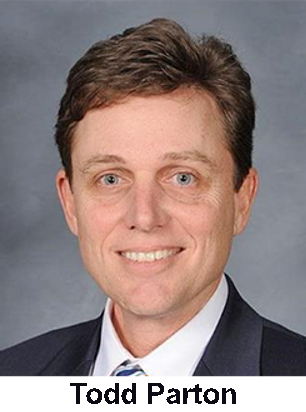
The city of Leander chose Todd Parton as city manager March 7. Parton currently serves as assistant city manager for the city of Lake Elsinore, California. He brings 19 years of city management experience, previously serving as city manager for Beaumont, California; Kerrville, Texas; and Cibolo, Texas. He will take over duties from interim City Manager Isaac Turner on April 16.
| |
The city of McKinney elected to hire Amy Kinkade as parks and recreation director. Kinkade previously served as Irving’s parks and recreation assistant director. She brings more than 25 years of municipal government experience to the position. She officially began her role March 11.
| |
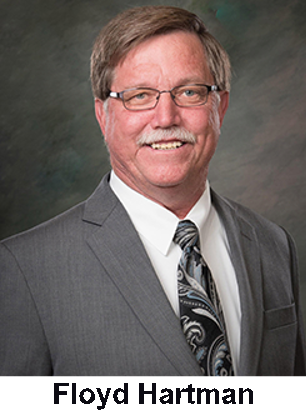
Following City Manager Andrew Freeman’s sudden departure from the role, the city of Amarillo confirmed Floyd Hartman as interim city manager. Hartman has served the city for 20 years, including as assistant city manager since 2018. He will fulfill the city manager's duties until a permanent replacement is found.
| |
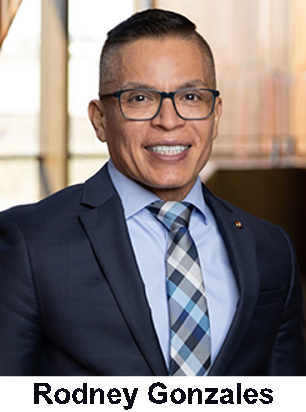
Rodney Gonzales will serve as the city of San Marcos’ interim city manager, effective March 18. Gonzales will replace Assistant City Manager Chase Stapp while the city searches for a permanent replacement. He previously served as Austin’s assistant city manager, his latest role in 29 years of government experience.
| |
Gov. Greg Abbott announced these appointments and reappointments from March 9 through March 14:
Texas Board Of Respiratory Care
(all reappointed)
Nathan Rodrigues - Round Rock
Latana Jackson - DeSoto
Sonia Sanderson - Beaumont
Sam “Gregg” Marshall, Ph.D., - Round Rock
| |
Texas Government Insider is a free weekly newsletter detailing important happenings throughout the state and summarizing current political issues relevant to individuals interested in government.
Publisher: Mary Scott Nabers
Editors:
Adam Rollins
Dave Doolittle
| | |
|
|
Check out our
social media links!
|
|
Help us share this message.
To ensure delivery and proper formatting of the newsletter, be sure to add editor@spartnerships.com to your safe senders list. Otherwise, the newsletter may be flagged as spam and automatically routed to your junk e-mail folder.
| |
|
For news or calendar items: editor@spartnerships.com
For information about SPI's products and services: sales@spartnerships.com
© 2024 Strategic Partnerships, Inc. All rights reserved.
| | | | | |