Governors from the New England states recently co-authored a letter reissuing the region’s commitment to advancing nuclear energy effort amid growing demand for electricity in their region.
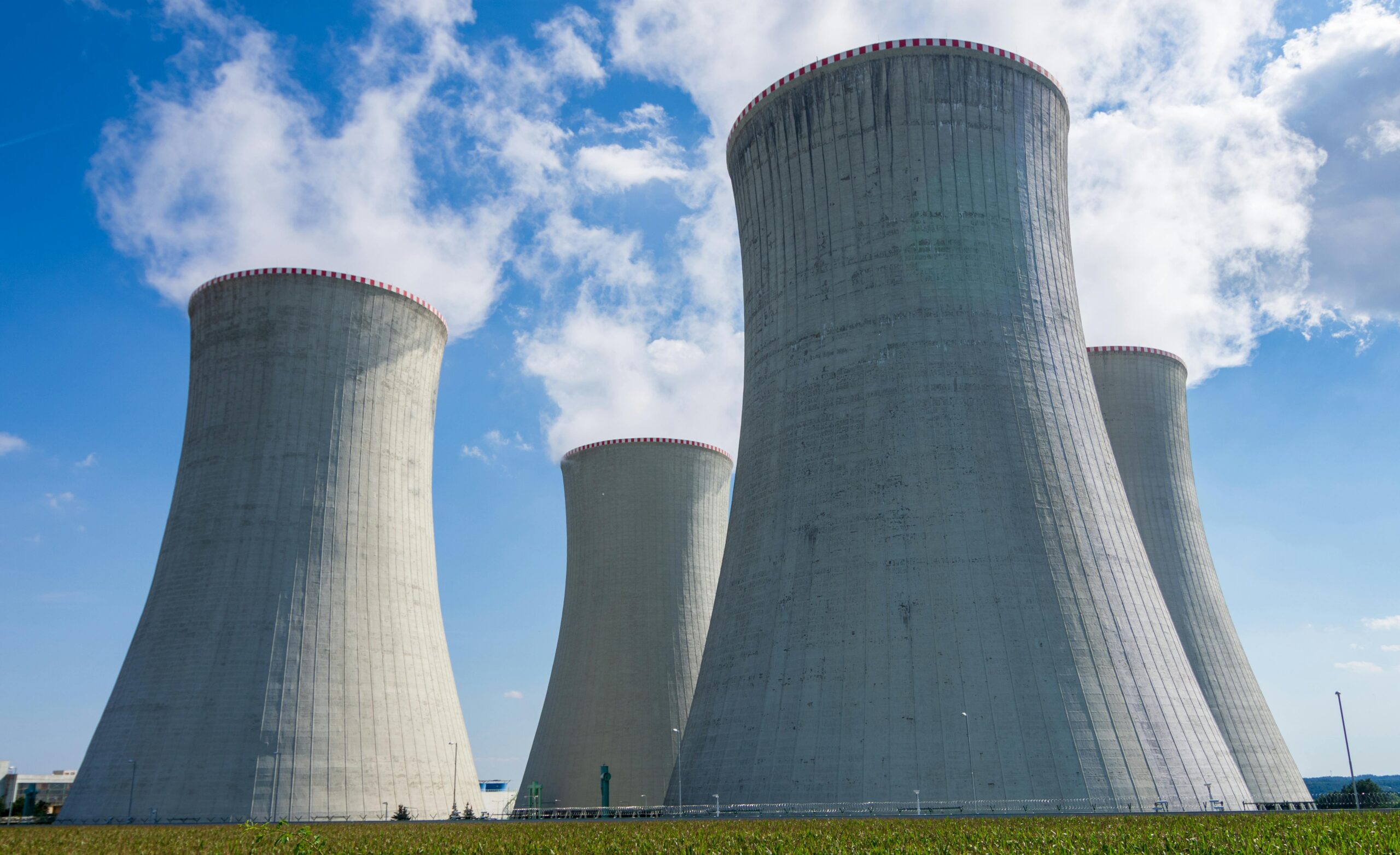
The six-state region already uses nuclear energy as a primary source of carbon-free, baseload electricity, generating approximately 25% of the region’s power at plants in Connecticut and New Hampshire.
According to ISO New England, which operates the power grid for the area, electricity consumption in the region is expected to increase more than 40% over the next 20 years. Demand for electricity in the winter is expected to grow the fastest, with winter peak demand doubling by 2045.
The joint statement from the governors of Massachusetts, Rhode Island, Vermont, New Hampshire, Connecticut and Maine outlined two key next steps for continuing to grow the region’s nuclear energy usage:
- Directing state energy offices to explore opportunities to ensure the continued safe, affordable and reliable operation of our region’s existing nuclear generation facilities.
- Having state energy agencies take steps to explore deployment of advanced nuclear generation in states and communities that express a willingness to host such resources. Steps include exploring innovative financing structures, federal funding and financial support opportunities, public-private partnerships, and regulatory designs for advanced nuclear energy.
Massachusetts is among those states actively working to expand its nuclear energy capabilities. The state has partnered with the University of Massachusetts-Lowell to engage stakeholders from across the UMass system, industry, government, and communities to assess existing capabilities, identify gaps, and define opportunities to shape the state’s advanced nuclear and fusion energy ecosystems.
Several newer technologies of nuclear fission plants are under development, but none are commercially viable. All split atoms to create heat that boils water and spins an electric turbine, as is done by Seabrook Station in New Hampshire and Millstone Station in Connecticut, but they use different methods of heat control or different types of atomic fuel.
Photo by Rob from Pexels
For more of the latest from the expansive government marketplace, check Government Market News daily for new stories, insights and profiles from public sector professionals. Check out our national contracting newsletter here.